AI cheating fears cast a shadow over academic achievements once widely celebrated in Korea
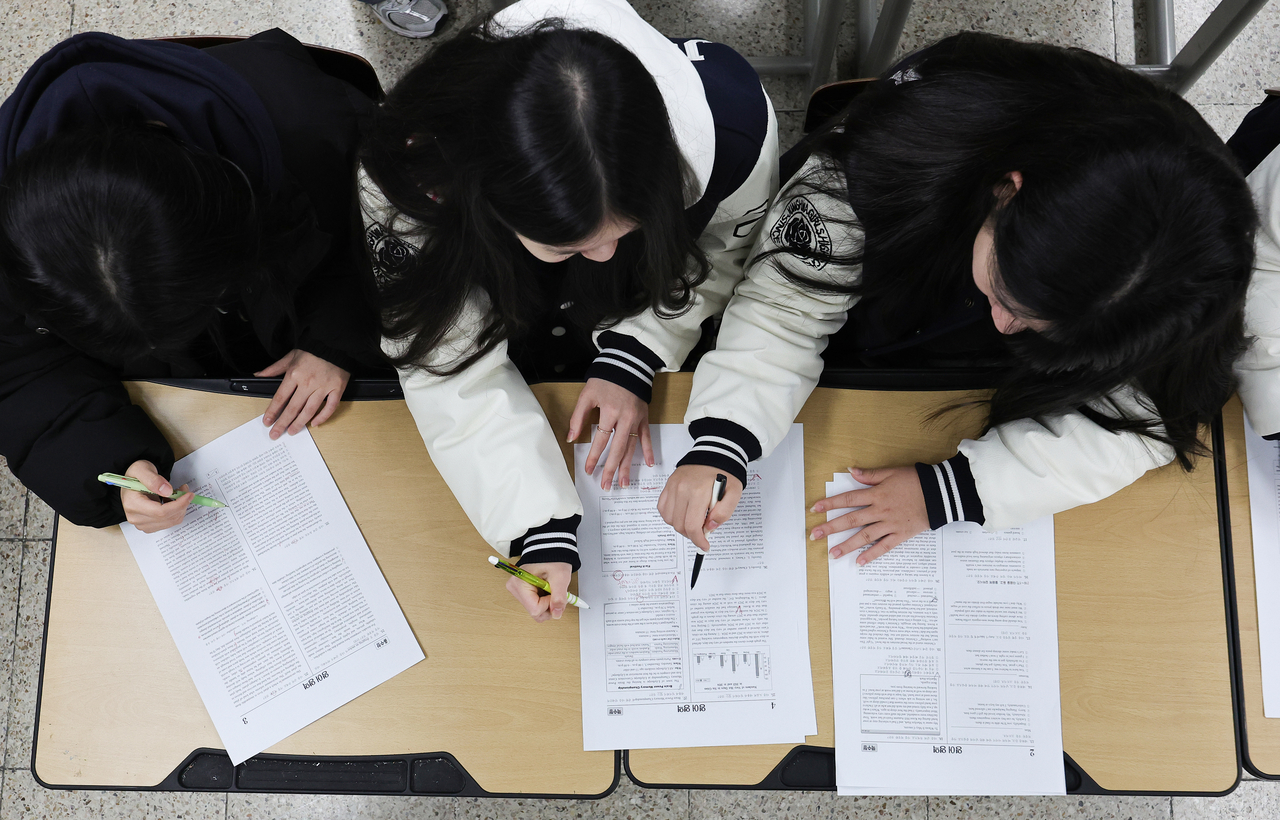
A perfect score on South Korea's notoriously grueling college entrance exam has long been a badge of honor.
This year, it appears to be something students would rather keep quiet about.
Amid growing suspicions over artificial intelligence-assisted cheating, students believed to have aced this year's College Scholastic Ability Test, or Suneung, are reluctant to come forward, fearing their academic achievements could come under scrutiny.
Local education news outlet Veritas Alpha reported Thursday that at least three students were believed to have achieved perfect scores based on preliminary self-assessments. Neither the students nor their parents, however, wanted their identities disclosed.
The outlet, which traditionally identifies the schools attended by perfect scorers and publishes interviews with them, said it had decided to withhold their identities this year to protect the students.
Official results of this year's Suneung are due out Dec. 11.
The unusual silence marks a stark departure from previous years, when perfect scores were widely celebrated by students, parents and schools alike.
Last year, news of a perfect scorer emerged on the day of the exam itself, with five test-takers eventually confirmed to have achieved perfect scores. Over the past decade, just 69 test-takers have achieved the feat.
The shift follows a widening cheating scandal triggered by the confession of the top scorer in the national tax accountant examination that he had used AI to cheat, fueling public suspicion toward high achievers across various examinations.
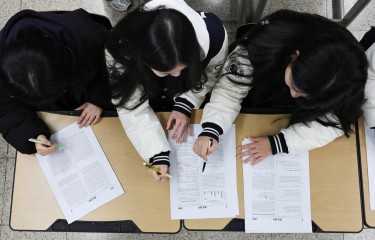
Just two days before this year's Suneung, authorities scrambled to introduce additional anti-cheating measures, including inspecting test-takers' glasses and placing stickers over clothing buttons.
The government is also seeking to extend the ban on retaking the Suneung for those caught cheating from one year to up to 10 years.
A total of 111 violations involving electronic devices were detected during this year's exam, including 54 uncovered through emergency mobile alerts and five involving smart devices.
The scrutiny is set to continue well beyond exam day, with authorities planning to analyze AI service usage records and telecommunications data to investigate potential cheating.
The Anti-Corruption and Civil Rights Commission is accepting reports of suspected cheating until Jan. 19.
seungku99@heraldcorp.com