Xiaomi cuts cheaper models to protect margins, but faces Samsung and Apple's dominance in premium smartphones
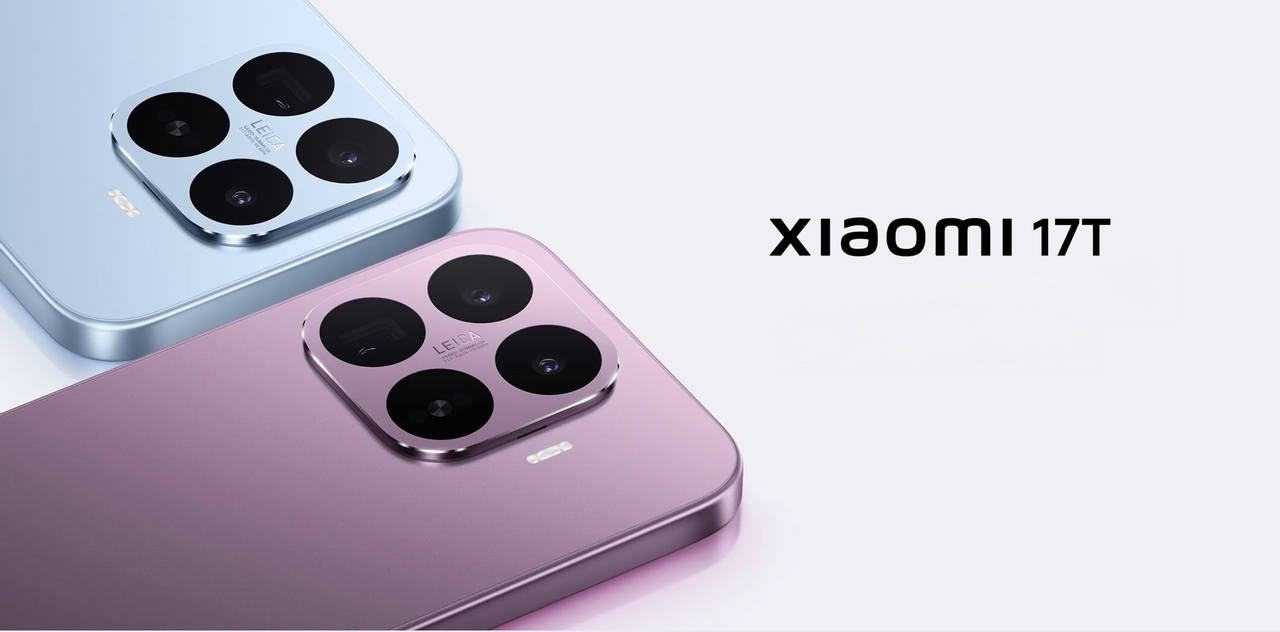
Chinese smartphone giant Xiaomi reported a 29 percent plunge in third-quarter handset shipments, as soaring memory prices erode the low-cost advantage that helped Chinese manufacturers expand globally.
Xiaomi shipped 30.7 million smartphones in the July-September period, down from 43.3 million a year earlier, according to earnings released Tuesday. Smartphone revenue slipped 0.8 percent to 45.6 billion yuan ($6.8 billion), as higher prices largely offset the drop in sales volume.
The company underperformed in a global market that contracted 20 percent, according to Omdia. Samsung retained its lead with 57.8 million shipments, down 5 percent, while Apple held steady at 56.5 million. Chinese rivals Oppo and Vivo suffered steeper declines of 39 percent and 33 percent, respectively.
Booming demand for AI servers has prompted chipmakers to prioritize more profitable server memory, driving up costs for smartphone manufacturers.
"The entry-level segment is particularly vulnerable," said Shilpi Jain, a senior analyst at Counterpoint Research, citing manufacturers' limited ability to absorb higher costs.
Xiaomi has responded by cutting shipments of cheaper models. Its average selling price jumped nearly 40 percent to a record 1,486 yuan, but its smartphone gross margin narrowed to 9.2 percent from 11.1 percent a year earlier.
"Samsung has limited price increases despite surging memory costs, prioritizing market share expansion," said Sohn In-joon, an analyst at Eugene Investment & Securities.
Samsung Electronics said its mobile business swung to an operating loss of about 600 billion won ($446.8 million) in the third quarter from an operating profit of about 3.6 trillion won a year earlier.
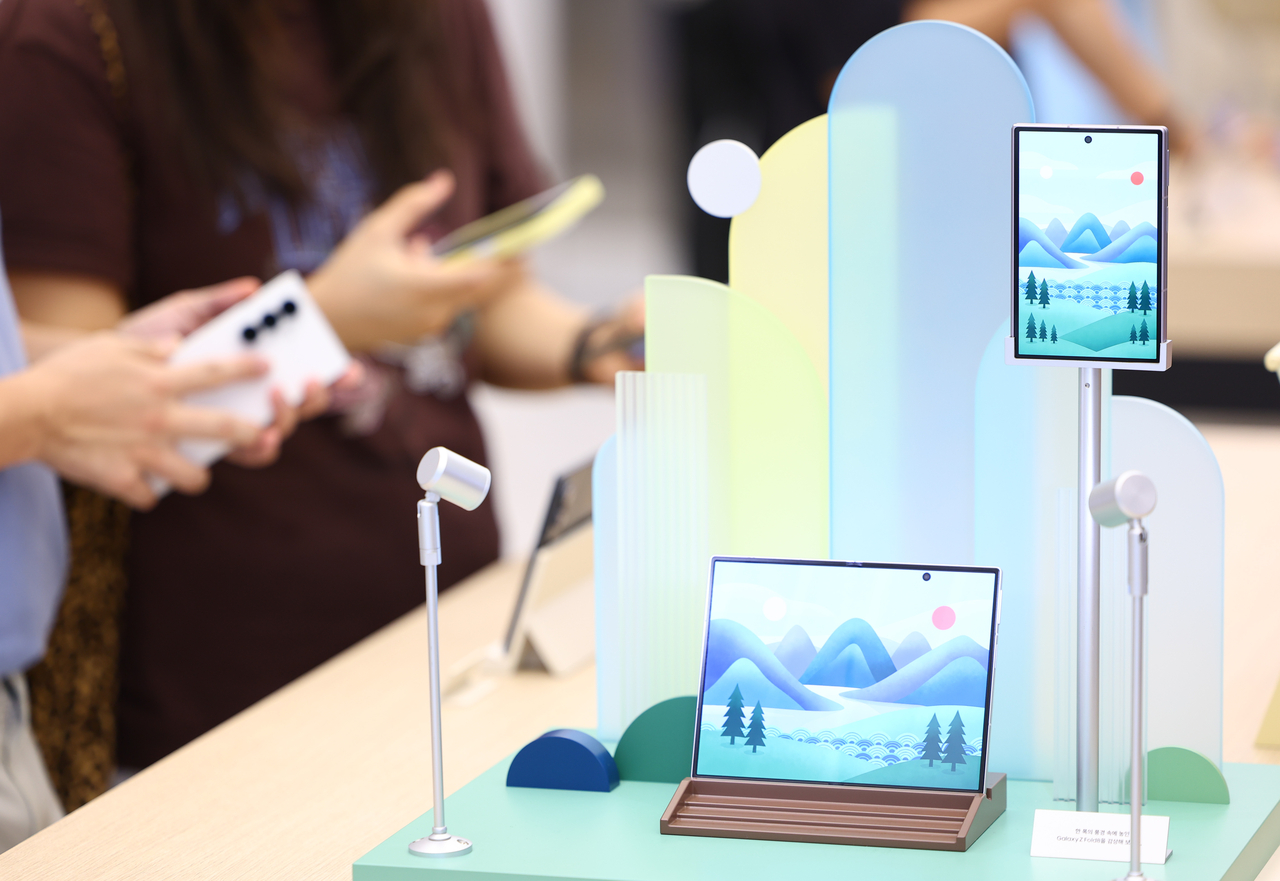
Yet Samsung's smartphone revenue rose 14 percent year-on-year, helped by price increases across its Galaxy A series and stronger sales of the premium Galaxy S26 Ultra and foldable Z Fold8. Its average selling price climbed 21 percent to $367, according to Counterpoint.
"Sales of Samsung's higher-priced models helped lift revenue despite fewer phones being sold," said Kim Woon-ho, an analyst at IBK Investment & Securities. He expects average selling prices to rise further in the fourth quarter, even as shipments decline.
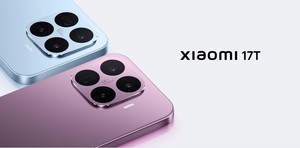
Xiaomi is also betting on premium devices. It launched the Xiaomi 18 Pro series and its first mid-sized foldable, the 18 Fold, in September, followed by a European flagship rollout in November. Its share of China's smartphone market above 6,000 yuan rose to 4.4 percent from 3.2 percent a year earlier.
Globally, however, Samsung and Apple controlled 84 percent of smartphone sales above $600 in the first half, according to Counterpoint.
Higher midrange Android prices are making discounted flagships "a better upgrade option for consumers," said Counterpoint senior analyst Harshit Rastogi.
Counterpoint on Wednesday forecast a further 6 percent decline in global smartphone shipments in 2027. Analyst Yang Wang warned of "a much weaker 2027, particularly for lower-priced devices and price-sensitive markets."
mjh@heraldcorp.com