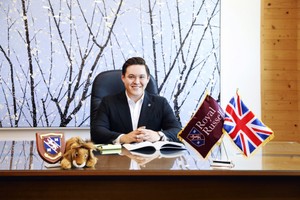
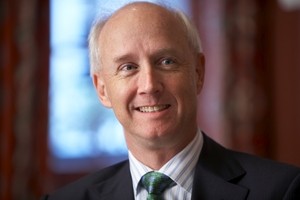
UK’s Royal Russell School to open first overseas campus in Busan in 2028 as city seeks to attract global talent
For international professionals with children who are considering a move to Busan, the decision can come down to more than job opportunities and living conditions. Where they can send their child to school also matters.
British private school Royal Russell, which plans to open its first overseas campus in Busan in 2028, hopes to broaden the educational options available to international families as the southeastern port city seeks to attract more global businesses and talent.
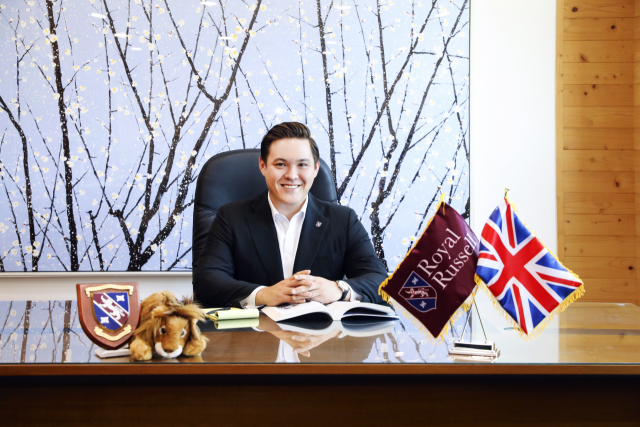
“When a company asks someone to relocate to Busan, the decision is often made around a family dinner table,” Ronald Haddon, chair of the Royal Russell School Busan Campus Organizing Committee, said in an interview with The Korea Herald.
“If the parents can see a good educational path for their children, it becomes easier to say yes and to imagine staying.”
Founded in 1853, the London-based school began working on its Busan project in 2018. Haddon said the city was chosen because it was making “a long-term investment in its international future.”
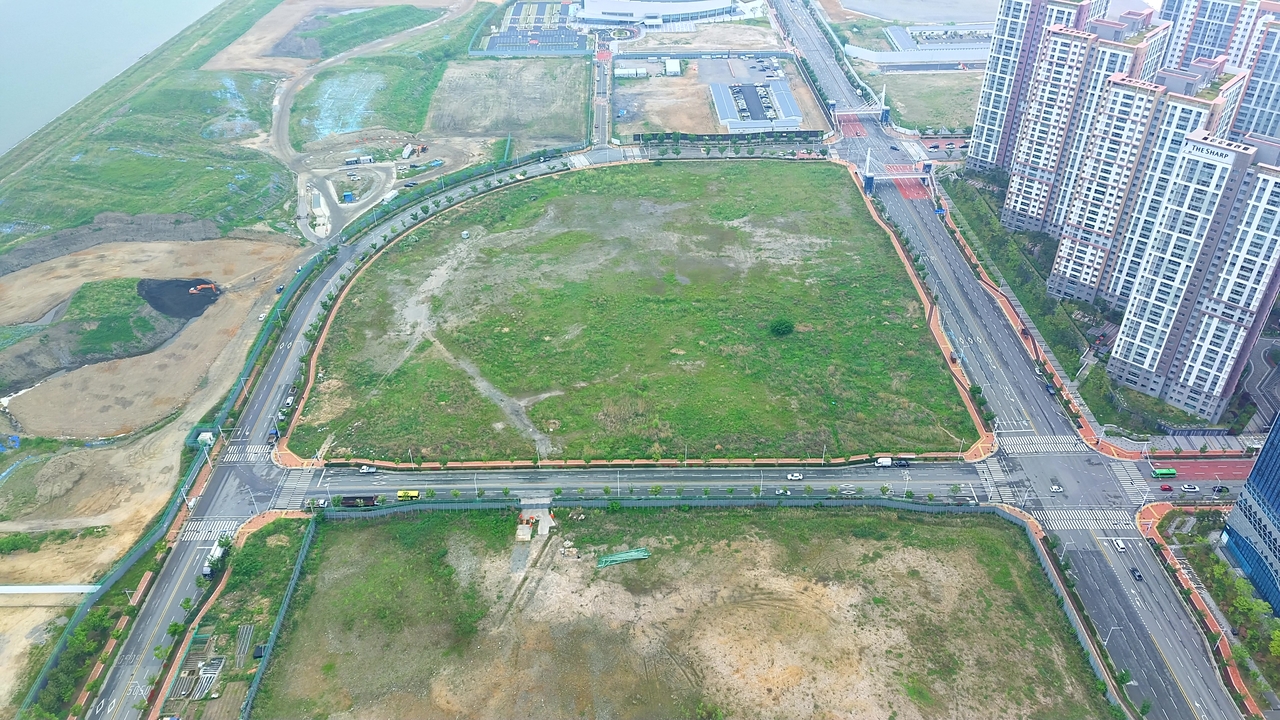
With support from the Busan Metropolitan Government and Korea Land and Housing Corp., the school is developing a purpose-built campus in Gangseo-gu, western Busan.
It plans to initially enroll around 300 students across Years 1 to 6, with three classes per year group, before gradually expanding into secondary education. Its eventual enrollment target is 900 students.
Expanding Busan’s educational options
Busan already has several foreigners' schools, including two English-medium schools — the International School of Busan and Busan Foreign School.
Royal Russell, however, is set to become the first foreign educational institution in southeastern Korea, a legally distinct category from foreigners' schools under South Korean law.
Construction of the campus in Myeongji International New City began in October, with the city targeting an opening in August 2028.
A Busan city official overseeing the project told The Korea Herald that the school was expected to improve living conditions for foreign residents and support the city’s efforts to attract international companies and investors.
Foreign educational institutions operate under special legislation aimed at improving living conditions for foreign residents and attracting foreign investment in designated areas, including free economic zones.
The school’s legal status also has implications for Korean families seeking international education.
Unlike foreigners' schools, which operate under the Elementary and Secondary Education Act and generally require Korean applicants to have lived overseas for at least three years, foreign educational institutions can admit Korean students regardless of their overseas residency history, subject to enrollment quotas and admissions requirements.
Haddon said the school could also help retain local families who might otherwise leave Busan in pursuit of educational opportunities elsewhere.
Royal Russell is exploring a scholarship program for Busan residents, with details to be determined in consultation with the municipal government and education office.
A British approach to learning
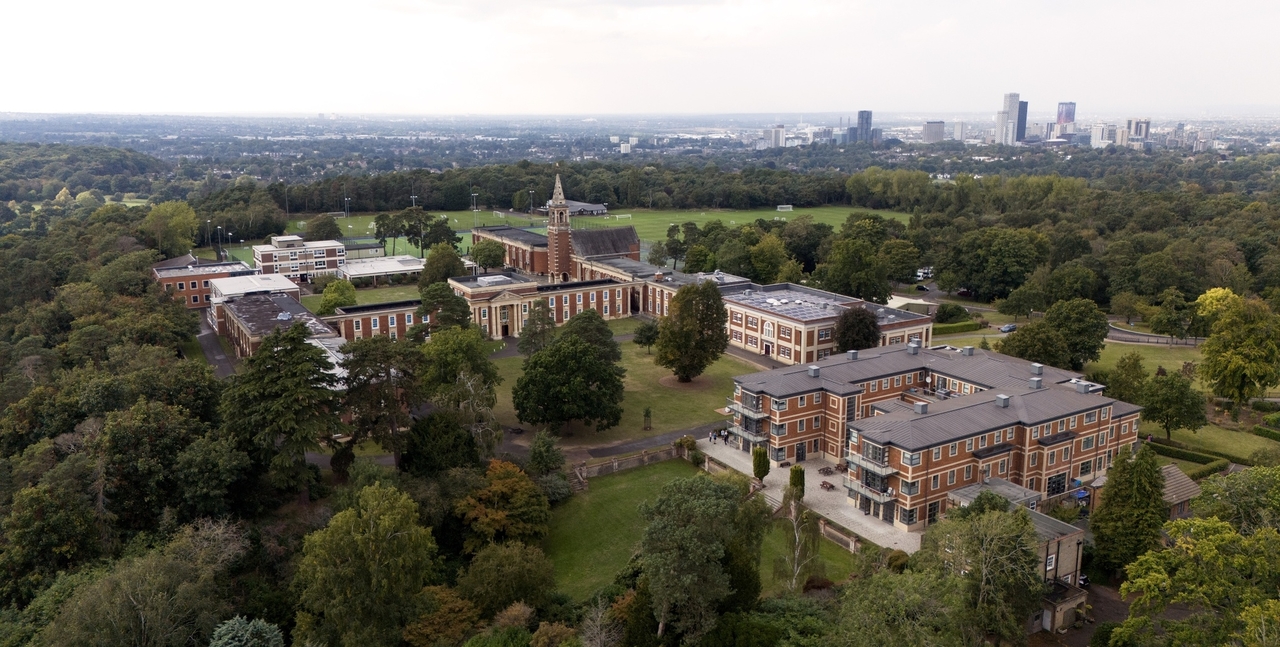
Haddon said the Busan campus would draw on Royal Russell’s educational traditions while adapting to the local environment.
“One of the things I respect most about Korea is the seriousness with which families approach their children’s education,” Haddon said. “However, the pursuit of academic excellence and social competitiveness should not come with the cost of leaving children behind.”
He emphasized the importance of children’s physical, social and mental development alongside academic achievement, with opportunities to pursue interests in sports, music and the arts.
Among the British educational traditions the school plans to introduce is its house system, which brings together students of different ages and encourages them to take responsibility for one another. It does not denote dormitory housing.
“It gives a younger pupil older students to look up to and gives those older students a responsibility to look after others,” Haddon said.
The Busan campus will maintain close ties with its London counterpart through teacher training, cooperation between school leaders and reviews of educational quality.
The school expects to recruit teachers primarily from the United Kingdom, alongside local and international hires for Korean-language classes and other supplementary subjects.
Haddon also hopes to develop student exchanges between the two campuses over time, while allowing the Busan school to develop traditions of its own.
“Over ten years, I would want to see strong academic results, graduates earning places at universities suited to their abilities and ambitions, and a school that people in Busan regard as part of their community,” he said.
seungku99@heraldcorp.com