Outgoing director of Singapore Writers Festival reflects on literary discovery, accessibility and opportunities for greater exchange with Korea
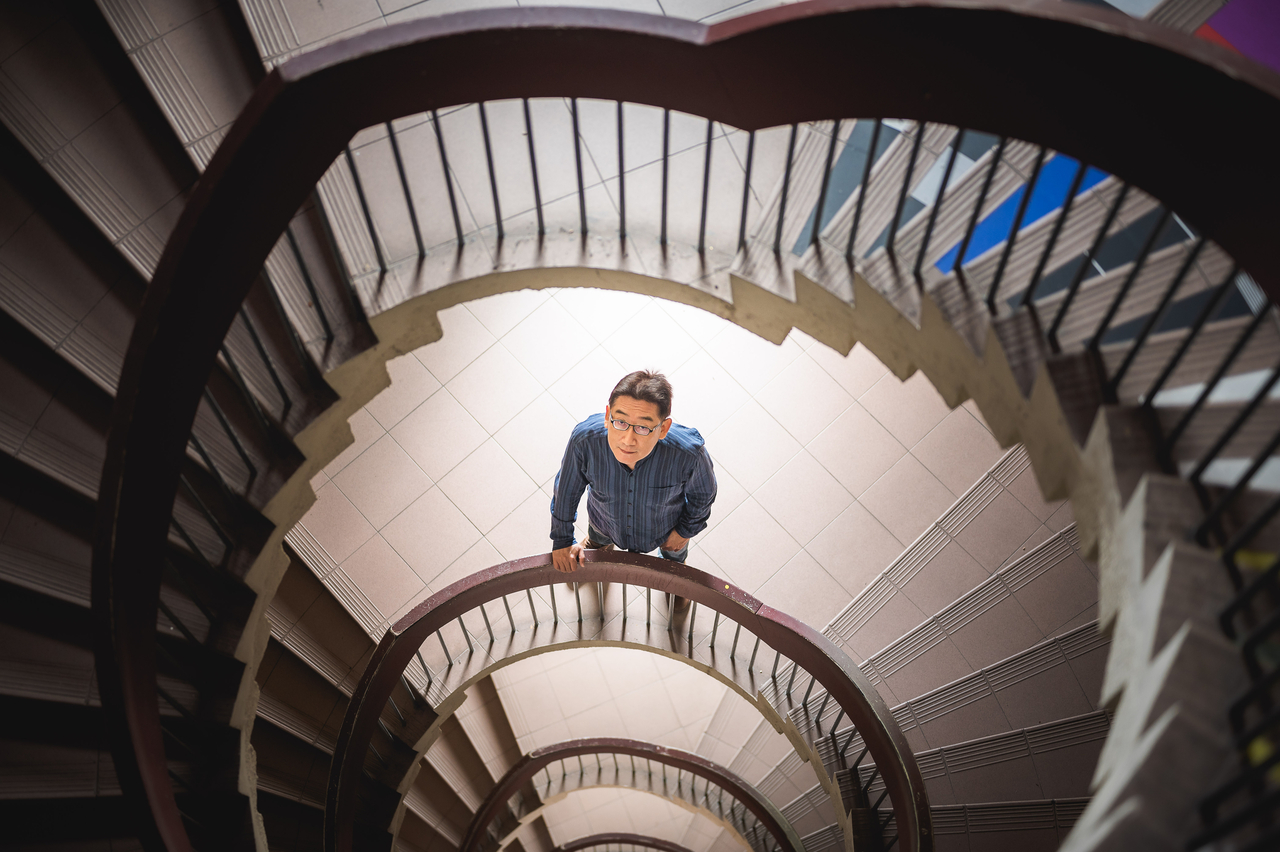
SINGAPORE — Artificial intelligence is increasingly blurring the line between reality and fabrication, but Singapore Writers Festival director Yong Shu Hoong believes literature can help people develop an increasingly important habit: looking more closely.
That idea formed the basis of “Hidden in Plain Sight,” the theme of the 29th edition of the Singapore Writers Festival, which ran from Nov. 13 to 22 and marked Yong’s final edition as festival director after three years.
The inspiration came partly from personal experience, as fraudulent festival invitations had been sent out in Yong’s name to international writers.
“As a poet, I think that is also what reading asks of us: to read between the lines,” said Yong in an interview with The Korea Herald.
“We were interested in how literature can encourage people to look again, more carefully and perhaps more generously, at the people, places and ideas around them.”
The theme led to the introduction of the festival’s Crime and Mystery Spotlight, which explored how writers use clues, assumptions and shifting perspectives to challenge readers’ first impressions.
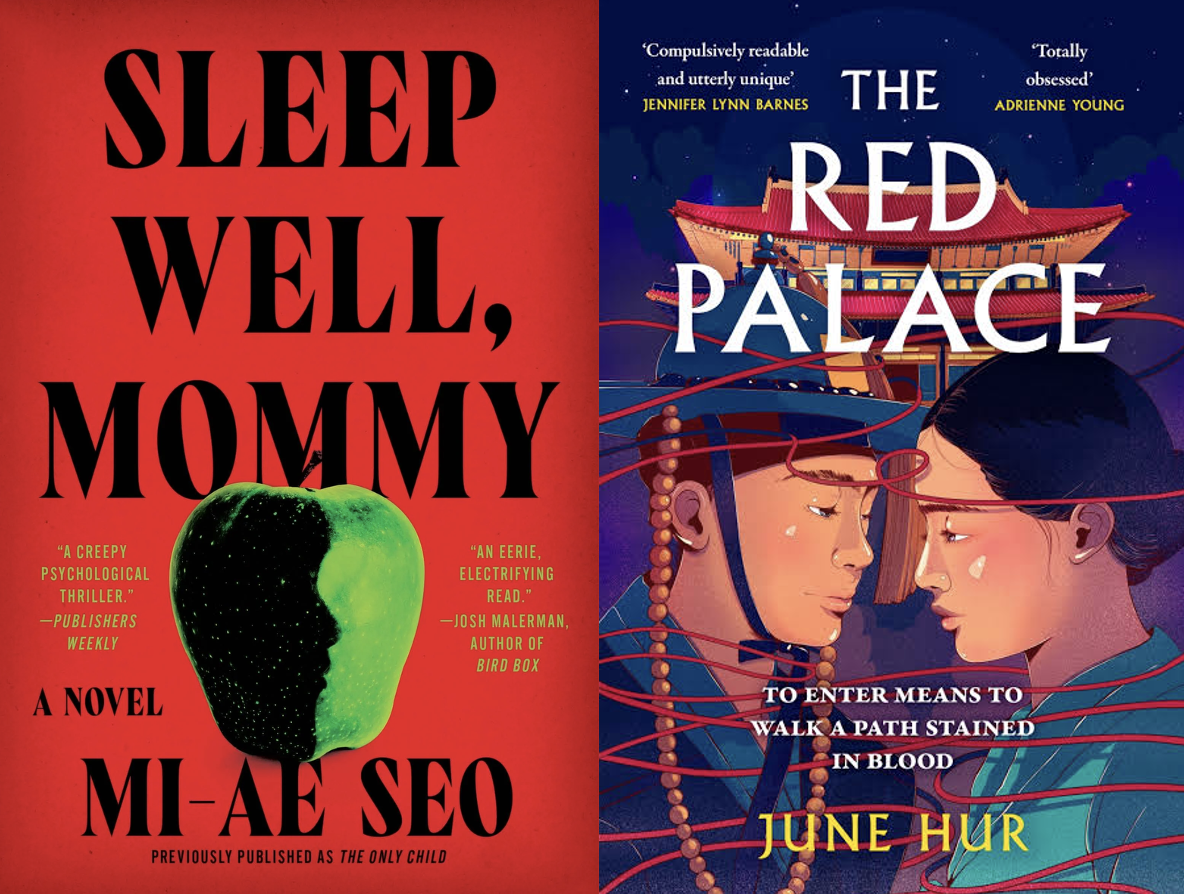
Among the participating authors were Korean crime fiction writer Seo Mi-ae, author of “Sleep Well, Mommy” and “The Only Child,” and Korean Canadian author June Hur, known for “The Red Palace” and “A Crane Among Wolves.” The two writers approach mystery through different lenses: criminal psychology and historical intrigue, respectively.
Their participation follows the festival’s 2024 focus on Korea, reflecting an established interest in Korean literature among Singaporean readers.
“The Korean Wave is very much alive in Singapore, and Korean literature was finding readers even before Han Kang’s Nobel Prize,” said Yong. “I think readers are drawn to how Korean writers can be very specific about their own society while touching on feelings that are familiar to all of us.”
Looking ahead, Yong sees translation as offering the greatest potential for further literary exchanges between the two countries.
He pointed to Singaporean translator Shanna Tan, whose first translation was Hwang Bo-reum’s “Welcome to the Hyunam-dong Bookshop.” Tan has since translated 10 Korean titles, according to Yong.
“I’d love to see more of that, in both directions, with Singapore writers reaching Korean readers too,” he said.
Breaking down linguistic barriers to literary discovery has also been a priority for Yong in shaping the festival’s programming throughout his three-year tenure.
Under Yong’s leadership, the festival introduced live interpretation and AI-assisted translation services at selected sessions, expanding them this year to lower linguistic barriers and create more opportunities for audiences to discover literature across Singapore’s four official languages — English, Malay, Mandarin and Tamil.
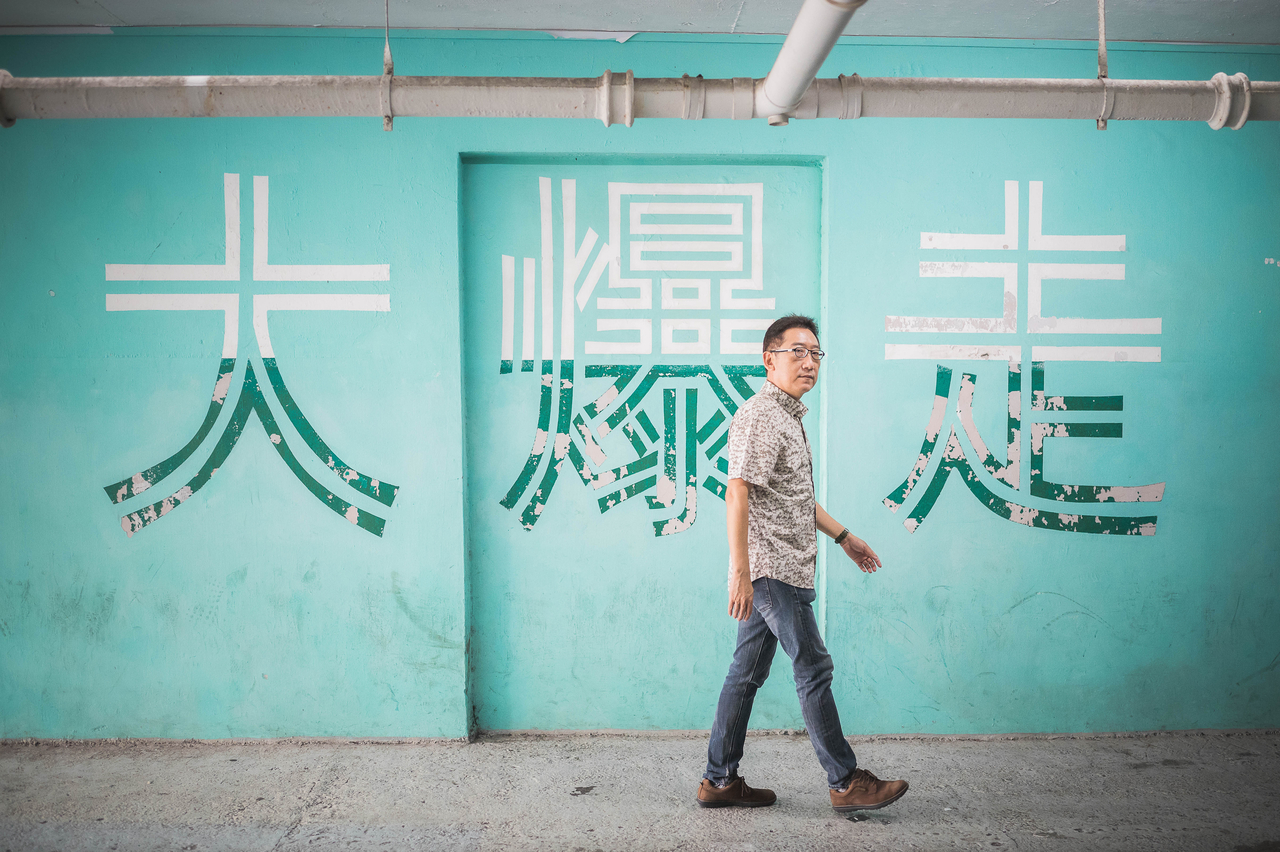
As former festival director Yeow Kai Chai returns to lead its 30th edition next year, Yong hopes the festival will continue expanding its multilingual programming.
“I’d like to see our Chinese, Malay and Tamil programs keep growing, along with our multilingual ones,” Yong said. “As audiences get more used to live interpretation and translation tools, and as the technology improves, more people can sit in on conversations in languages they may not know.”
Ultimately, however, Yong hopes that the curiosity sparked at future editions of the festival will extend beyond its venues and into readers’ everyday lives.
“If people go home with questions they want to keep thinking about, I’d be very happy,” he said.
lee.jungjoo@heraldcorp.com