Washington targets industrial overcapacity in 14 economies; digital regulations remain a concern for Seoul
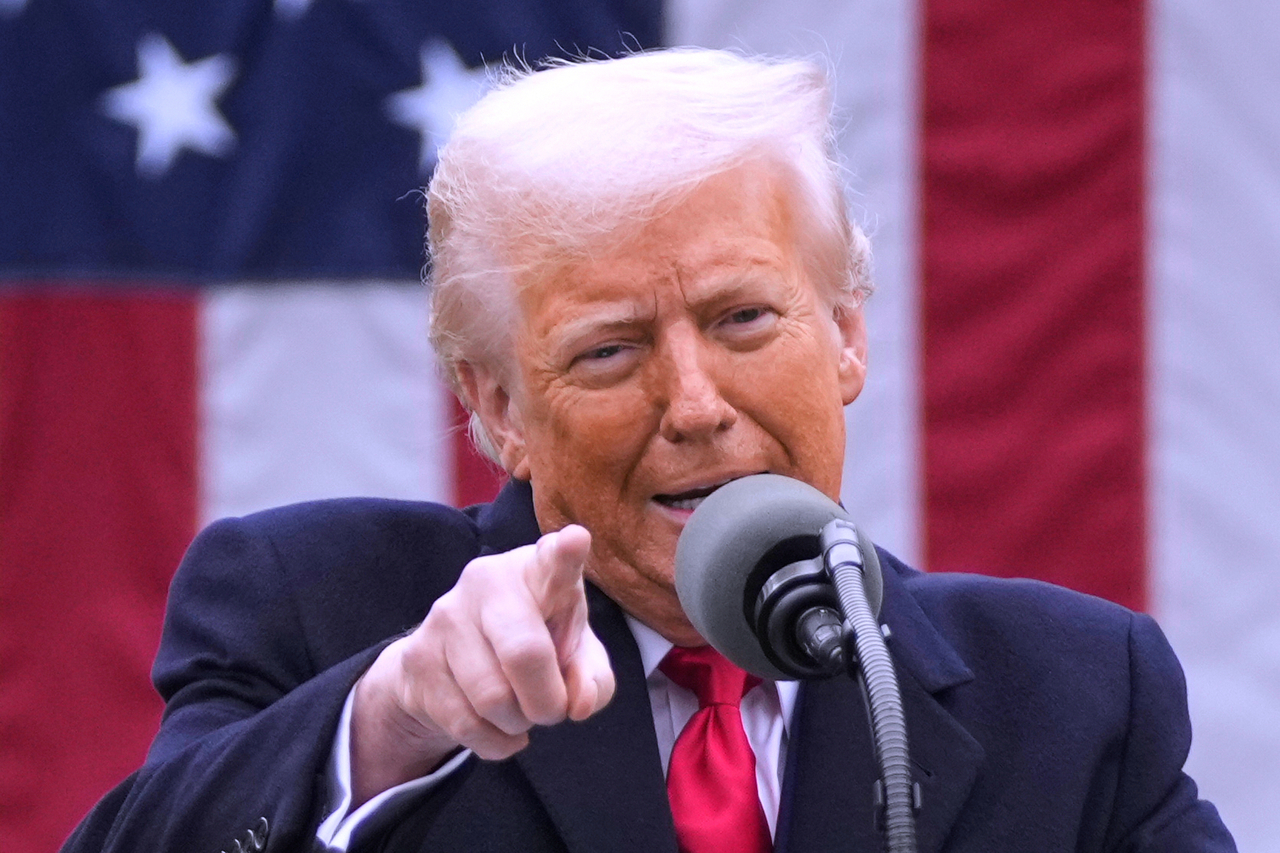
The Trump administration on Wednesday proposed new tariffs under Section 301 of the Trade Act of 1974 on 14 trading partners over industrial overcapacity, while maintaining the 15 percent tariff ceiling agreed upon under last year’s trade deal with South Korea.
A senior US administration official said the proposed duties would not exceed the tariff ceilings negotiated under existing trade agreements, Reuters reported.
Japan, the European Union and Taiwan would also retain their 15 percent tariff caps, while Malaysia’s would remain at 19 percent.
China would face the highest rate at 20 percent, on top of tariffs of around 25 percent imposed during US President Donald Trump’s first term.
The other economies targeted are India, Indonesia, Bangladesh, Cambodia, Singapore, Switzerland, Thailand and Vietnam. Mexico and Norway, which were initially subject to the investigation, have been excluded for now.
The new duties would not be stacked on top of the tariffs of 10 to 12.5 percent imposed in July on 60 economies over what Washington deemed inadequate enforcement of restrictions on imports of goods made with forced labor. The tariff rate for Korea was set at 12.5 percent under the July measures.
Details of the proposed rates are due to be published in the Federal Register on Wednesday. The duties could take effect in January following a public comment period and public hearings, the official said.
Section 301 allows Washington to impose tariffs, import quotas and other retaliatory measures in response to discriminatory or unreasonable foreign practices that burden US commerce.
The Trump administration launched separate Section 301 investigations into forced labor enforcement and manufacturing overcapacity in March, seeking to replace its reciprocal tariffs after they were struck down by the US Supreme Court in February.
In announcing its overcapacity investigation, the Office of the US Trade Representative cited Korea’s widening goods and services trade surplus with the US, which reached $56 billion in 2024.
It identified electronic equipment, automobiles and auto parts, machinery, steel, ships and marine equipment, and petrochemicals as sectors of concern.
Under the trade deal finalized last November, Seoul pledged $350 billion in US investments in exchange for a reduction in reciprocal tariffs from 25 percent to 15 percent.
A separate trade risk remains for Seoul. US political news outlet Politico previously reported that the USTR was considering Section 301 investigations into digital regulations in Korea, the EU and Australia. The digital rules could become the basis for a new round of US tariffs on Korean goods.
yeeun@heraldcorp.com