Chinese food, beauty and travel trends are gaining ground, even as distrust of Beijing remains deeply rooted
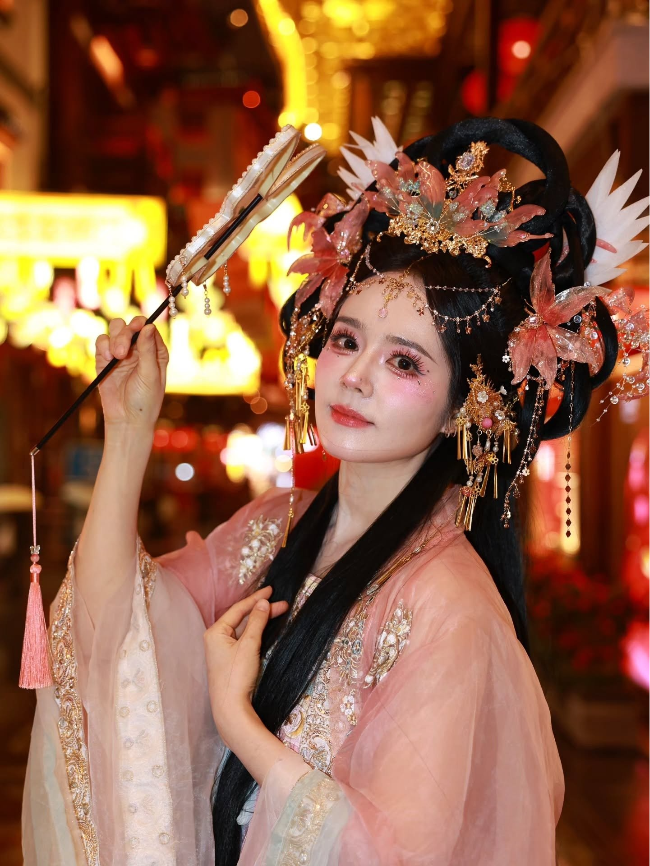
Young South Koreans are lining up for Chinese milk tea, trying "wanghong" makeovers in China and filling their makeup pouches with Chinese cosmetics. But there is no sign the craze for Chinese trends is translating into increased trust in China.
The trend presents a more complicated picture of young Koreans’ views on China: While many remain skeptical of China politically, they are increasingly open to Chinese food, beauty and travel trends.
Analysts say younger consumers are separating what they enjoy from what they think politically.
Trends take hold
That divide is becoming harder to miss.
Chinese milk tea brand Chagee drew long lines after opening three large-scale stores in Seoul on April 30, with customers waiting hours for a drink.
Chinese hot pot chains are also expanding in Korea, attracting younger diners with interactive ordering systems, customizable menus and bold flavors.
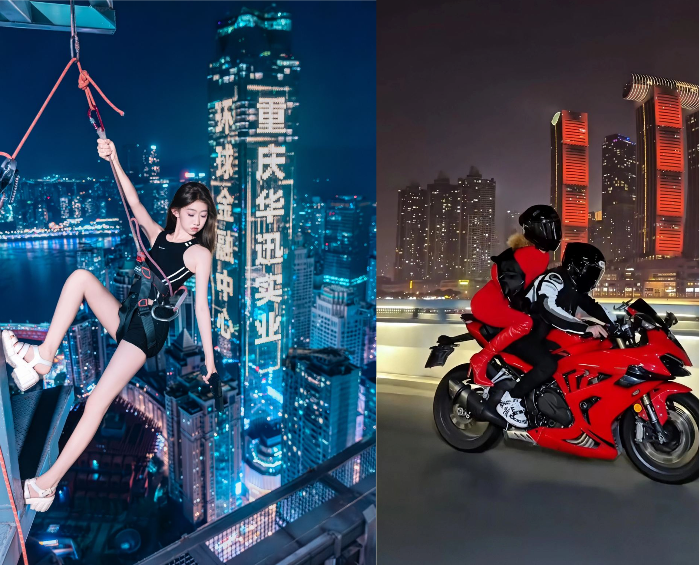
The influence is spreading beyond food. Social media platforms are increasingly filled with posts from Korean travelers trying wanghong photo shoots in China, featuring elaborate makeup, dramatic styling and traditional costumes.
Chinese-style makeup, known for stronger colors and a more polished look, is also gaining ground in a Korean beauty market long associated with a natural, effortless style.
Imports of Chinese cosmetics to South Korea jumped 84 percent in 2025 from a year earlier, according to government data.
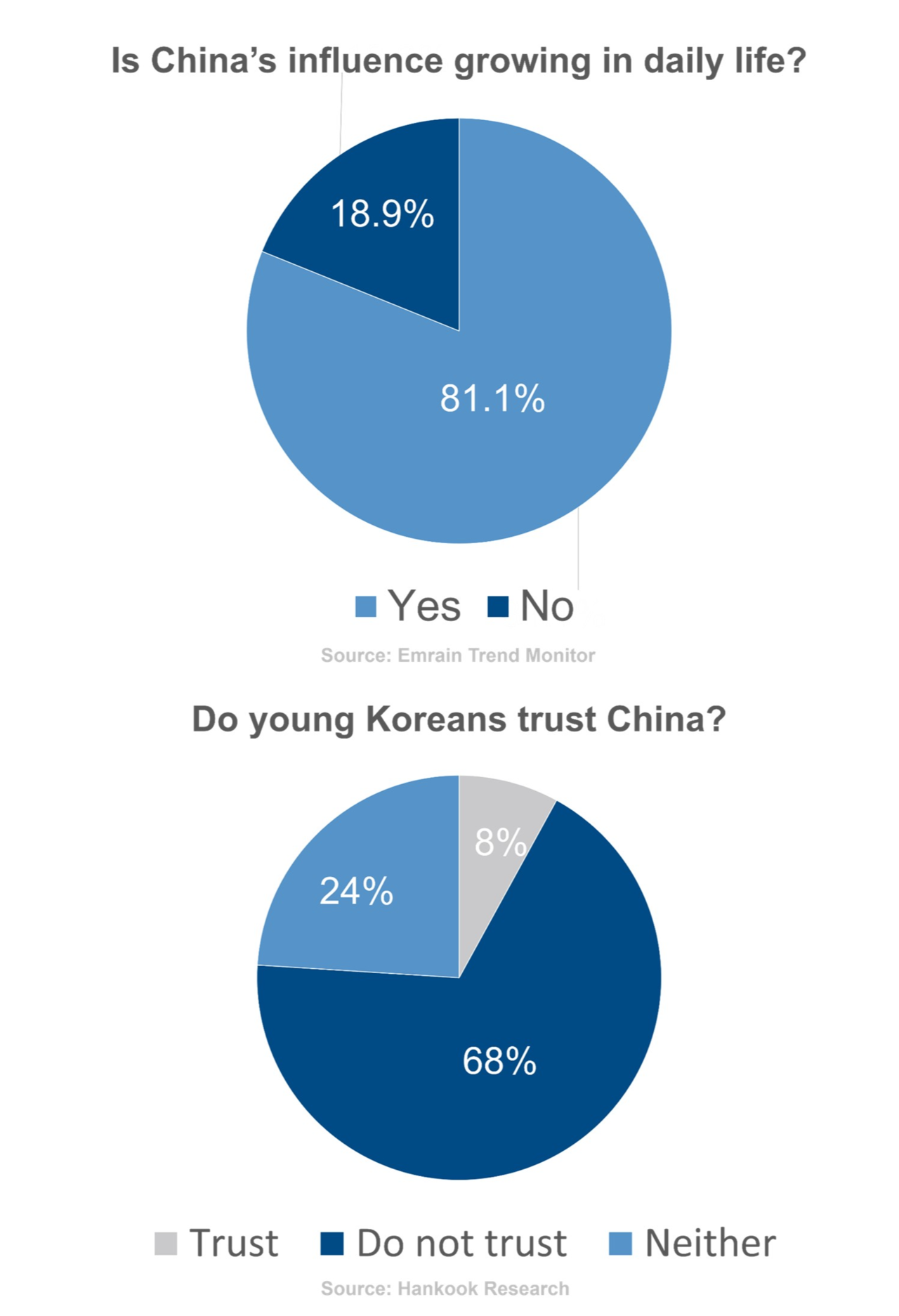
An April survey by Embrain Trend Monitor also found that 81.1 percent of 1,200 respondents said they sensed the growing influence of Chinese services and content, including shopping, entertainment and food culture.
Novelty factor
Experts say the shift has been fueled by repeated exposure to Chinese trends on social media, especially among younger consumers seeking new and visually striking experiences.
“Short-form content on platforms such as TikTok, Instagram and YouTube repeatedly exposes young consumers to China’s flashy and highly stylized trends, reducing the sense of cultural distance,” said Lee Hong-ju, a consumer economics professor at Sookmyung Women’s University.
Park Seung-chan, a professor of Chinese studies at Yongin University, said Chinese food trends have benefited from the same appetite for novelty.
“Younger consumers are drawn to the intense flavors and sense of novelty offered by foods such as mala, hot pot and Chinese-style milk tea,” Park said.
“Chinese food franchises entering Korea are not necessarily cheap. But consumers are willing to spend on these experiences as a form of emotional release and indulgence.”
Travel has added to the momentum. After Beijing introduced a visa waiver program for South Korean travelers in 2024, trips to China increased sharply. In January alone, 303,000 South Koreans visited China, up 48.1 percent from a year earlier.
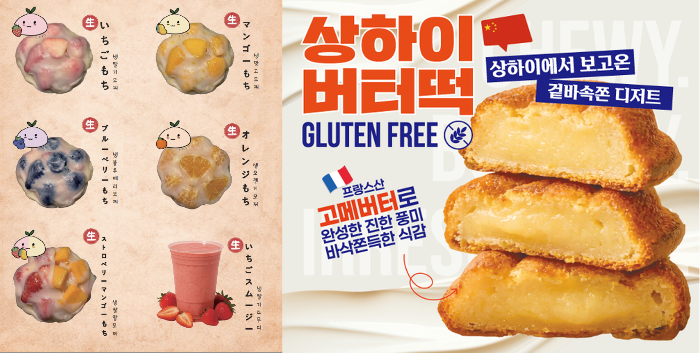
Souvenirs brought back from those trips have increasingly fed into consumer trends at home, including Shanghai-style butter rice cakes and fruit mochi, which have gained popularity among younger Koreans.
Trust gap
But enthusiasm for Chinese trends has not erased distrust.
A January survey by Hankook Research found that 68 percent of respondents aged 18 to 39 said they did not trust China, compared with less than 50 percent among those in their 40s to 60s.
About 35.5 percent of younger respondents also said they viewed China as an “enemy,” more than 10 percentage points higher than among older age groups.
Experts say the figures show that interest in Chinese products and content remains largely separate from broader perceptions of China as a country.
“Chinese products and content have become significantly more competitive than before, aligning with a growing tendency among consumers to take a more pragmatic approach,” Lee said. “Consumers are now less concerned about a product’s country of origin, increasingly separating consumption from their political perceptions.”
That separation may explain why Chinese trends can spread quickly in Korea without leading to a major improvement in sentiment toward China.
Limited warmth
South Korea’s pattern also differs from many other countries.
According to Pew Research Center data, Korea was the only country among 25 surveyed last year where views of China worsened.
In many Western countries, including the United States, European countries and Japan, younger people tend to hold more favorable views of China than older generations.
Park said the difference lies partly in the kind of Chinese culture drawing attention. In Western countries, interest in China often extends beyond fast-moving consumer trends into areas such as wellness, traditional lifestyles and health practices.
In Korea, he said, the current enthusiasm remains concentrated.
“In Korea, interest remains largely confined to short-term trends such as food, makeup and social media aesthetics, with limited influence on broader emotional perceptions toward China,” Park said.
Experts say cultural familiarity may help soften hostility, but it is unlikely to resolve deeper distrust on its own.
“Cultural familiarity functions more as a buffer against conflict than as a complete solution,” said Ha Doo-jin, a professor of Chinese studies at Kyonggi University. “For sustainable relations, political tensions must also be addressed alongside efforts to build mutual trust.”
forestjs@heraldcorp.com