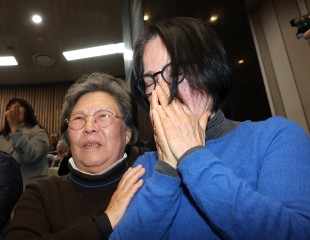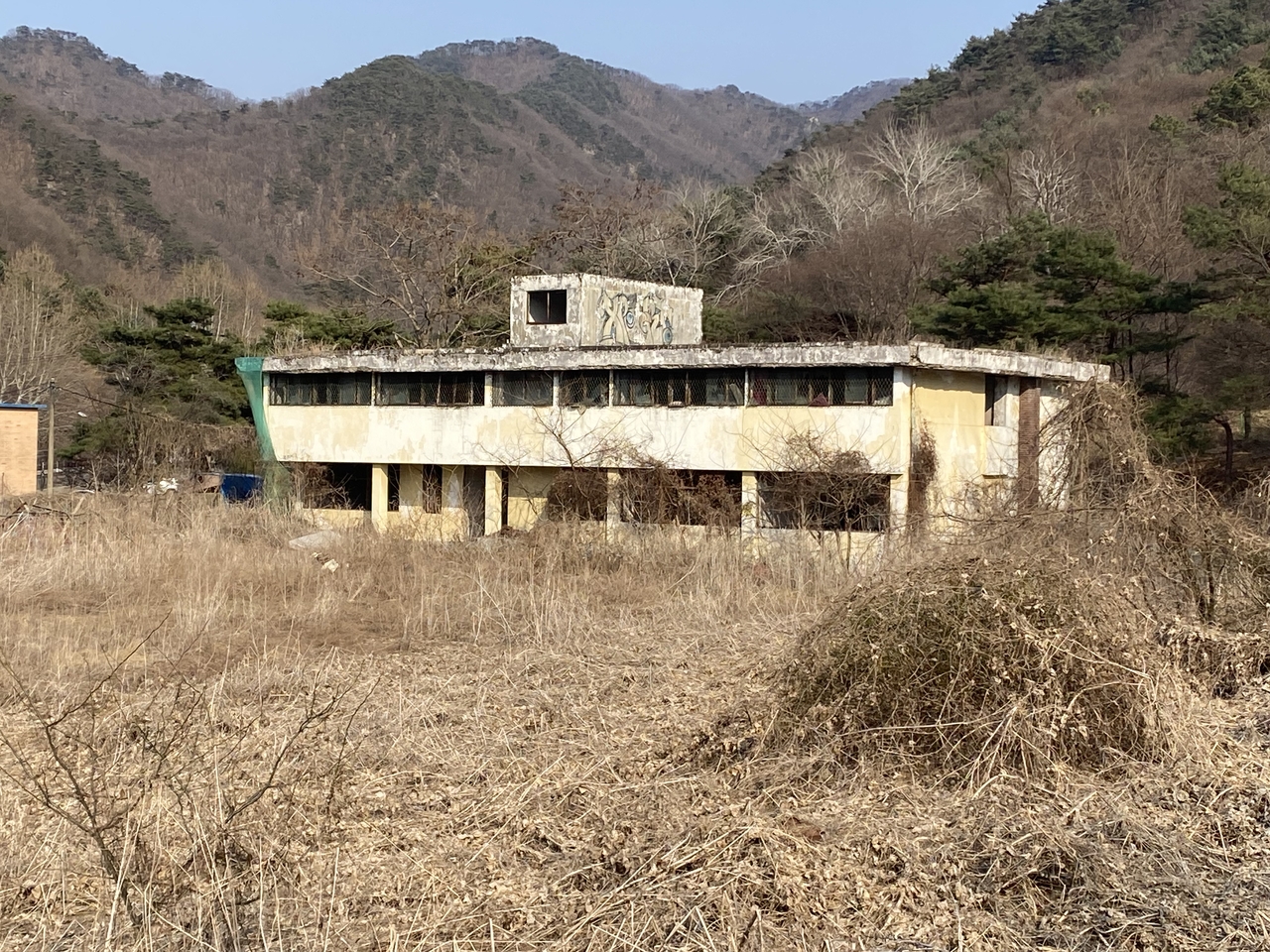
Protesters said Thursday they would end a sit-in in Dongducheon, Gyeonggi Province, that had lasted more than two years after the city canceled its bid to demolish a former detention center known as a “monkey house.”
South Korean authorities used the facility to confine women from camptowns near US military bases who were suspected of having sexually transmitted diseases.
The coalition opposing the demolition said it would take down its protest tent on Dec. 6, the 831st day of the sit-in. The tent has stood in a parking lot in front of the former facility since 2024, when the city announced plans to tear down the building.
“We decided to trust the government-led public discussions through to the end and take the first step toward ensuring that the long-standing conflict in Dongducheon does not return to demolition and confrontation,” an official from the protesting coalition said.
The official said the city had sent a formal notice confirming that it had canceled the Nov. 12 tender for the demolition work. The city also pledged to cooperate in government-led talks on relocating and preserving the building, the coalition said.
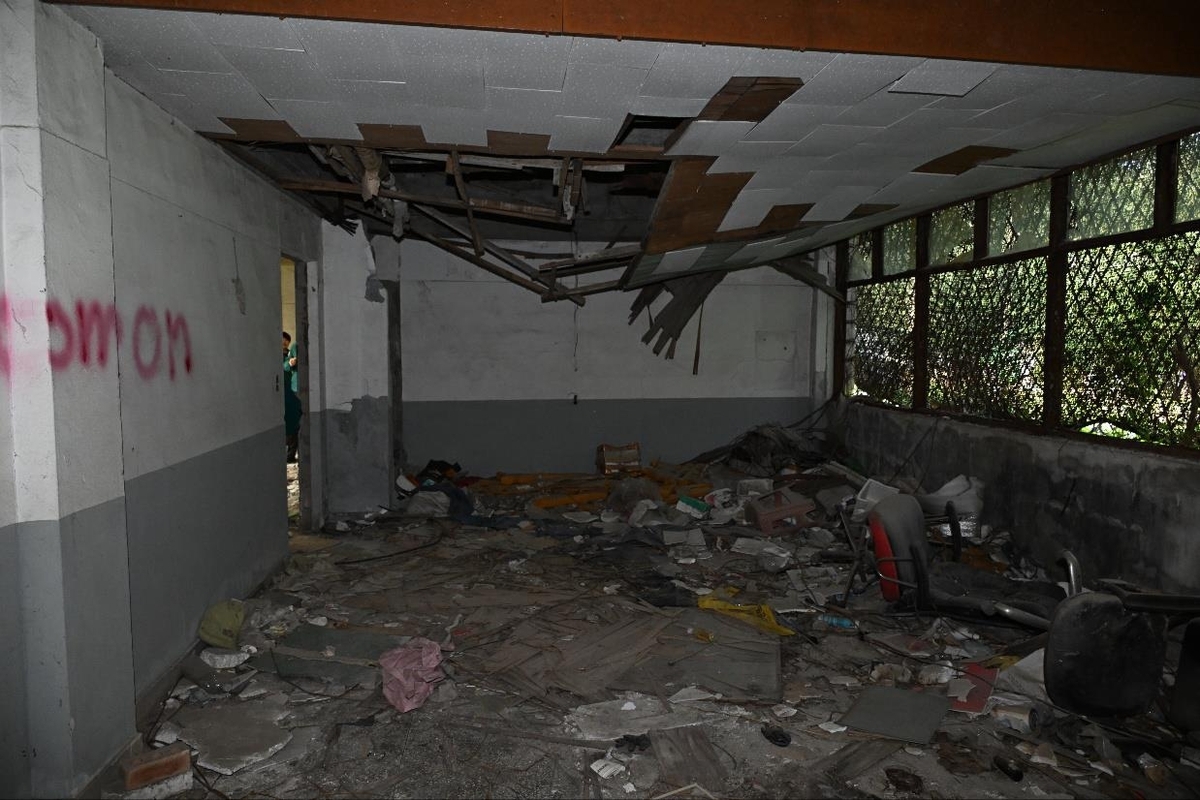
Why the site matters
Known as the “Monkey House,” the Dongducheon facility is the only one of six such centers in Gyeonggi Province whose building still stands. The facility was opened in 1974 and closed in 1996.
Authorities once operated about 40 facilities nationwide, detaining women suspected of having sexually transmitted diseases.
Among those detained were women whom US military personnel had identified as having passed on infections.
Survivors have testified that they were forcibly given antibiotic injections and could not leave until they tested negative.
Some said they were held for more than a week, while others reportedly suffered severe reactions to the injections.
Women’s rights activists and survivors say the building is evidence of the South Korean government’s role in facilitating prostitution around US military bases.
Dongducheon had sought to demolish the building as part of a plan to develop the surrounding area into a tourist destination with a hotel.
The city said the project would help shed what it described as the area’s negative image as a former camptown.
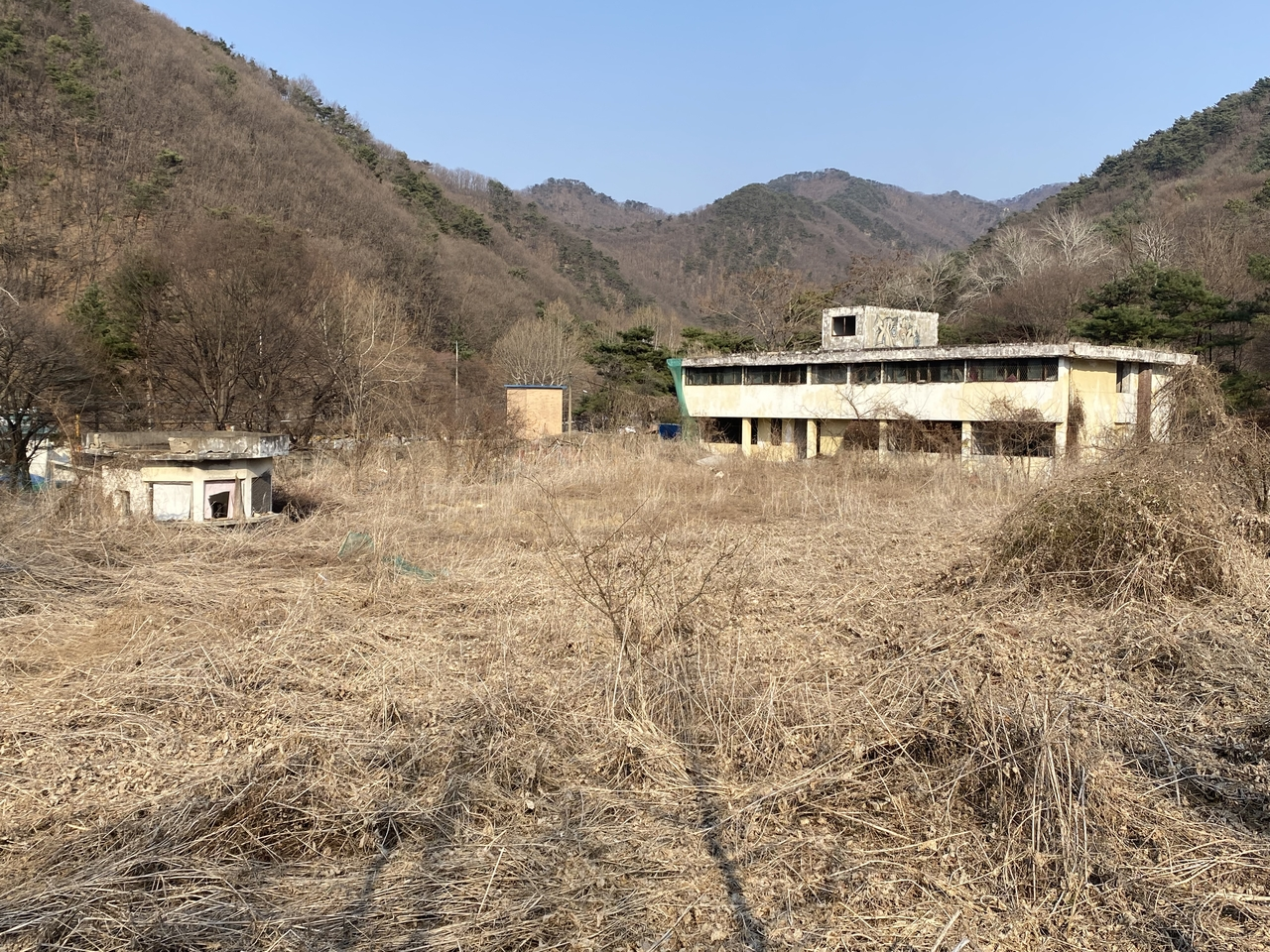
Preservation talks will continue
The dispute intensified in recent months as the city faced pressure to proceed with demolition before the funding it had set aside expired at the end of this year.
President Lee Jae Myung voiced support for preserving the building in November last year.
In March, Gender Equality Minister Won Min-kyung apologized to women who suffered human rights abuses in the camptowns.
The ministry requested 300 million won ($225,000) for a study on relocating and preserving the building. The funding was left out of the government’s proposed 2027 budget, and lawmakers have pushed to add it during budget deliberations.
Choi Hee-shin, a member of Gyeonggi Bukbu Peace Action, a civic organization that took part in the sit-in, said the city’s pledge to cooperate had eased tensions after more than two years of protest.
Choi called on the government to put forward a concrete plan for preserving the building.
“Many steps remain before the building can be preserved. The protest will continue, but the only change is that we will now focus on demanding that the government fulfill its responsibilities,” Choi told The Korea Herald in an interview on Friday.
forestjs@heraldcorp.com