From milk tea to hot pot, Chinese chains find scale, profit in Korea
How Koreans feel about China is one thing. How they eat and drink is another.
Chinese brands are settling deeper into Korea, with milk tea chains and hot pot franchises now occupying prime spots in major commercial districts nationwide. Their presence is nothing new, but the latest wave competes less on origin than on offer.
"With malatang, milk tea, and hot pot winning over younger consumers, the image of Chinese food has shifted considerably," one industry official said. “Many of these brands now market themselves as premium experiences.”
From beverage to category
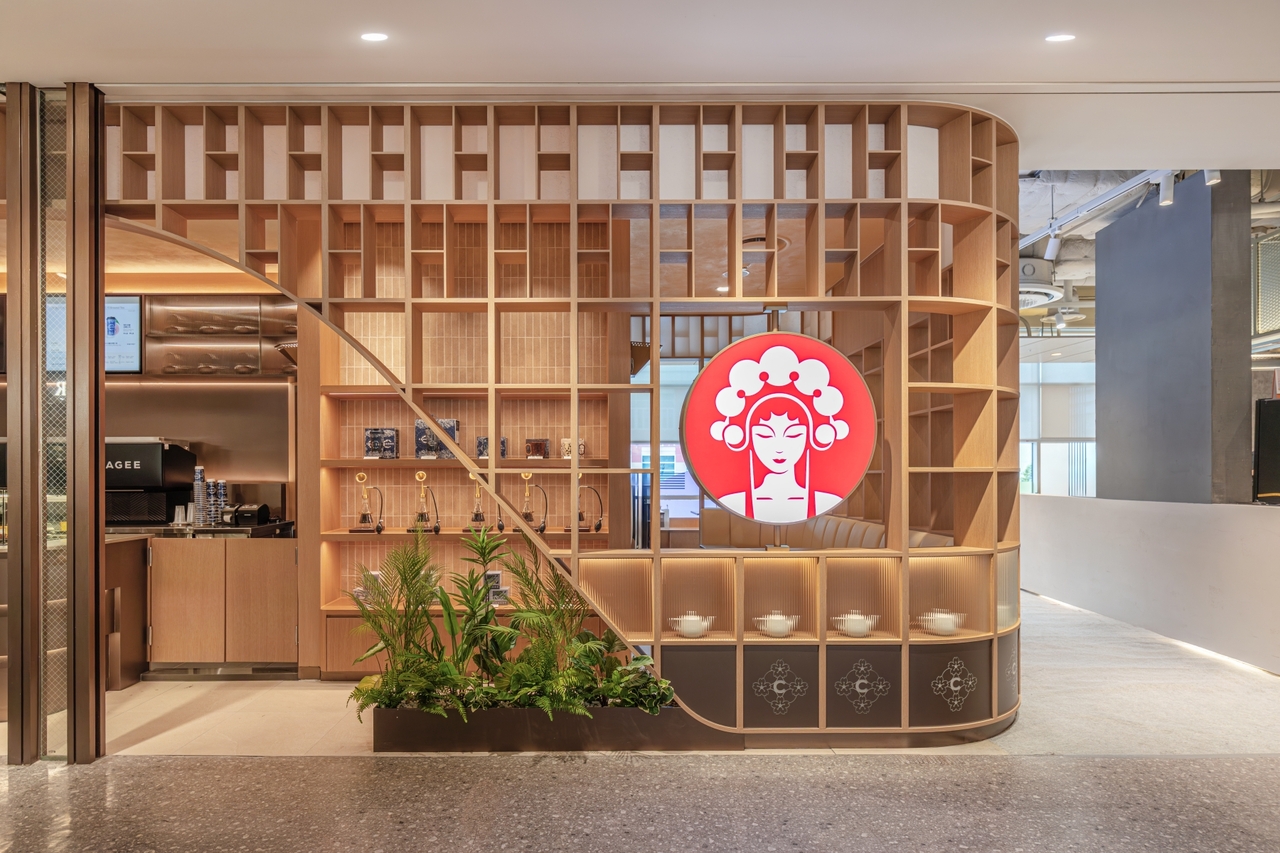
When premium Chinese tea chain Chagee launched three stores across Gangnam, Yongsan and Sinchon at once in late April, the opening spoke to how firmly Chinese food and beverage franchises have taken root in Korea's consumer landscape.
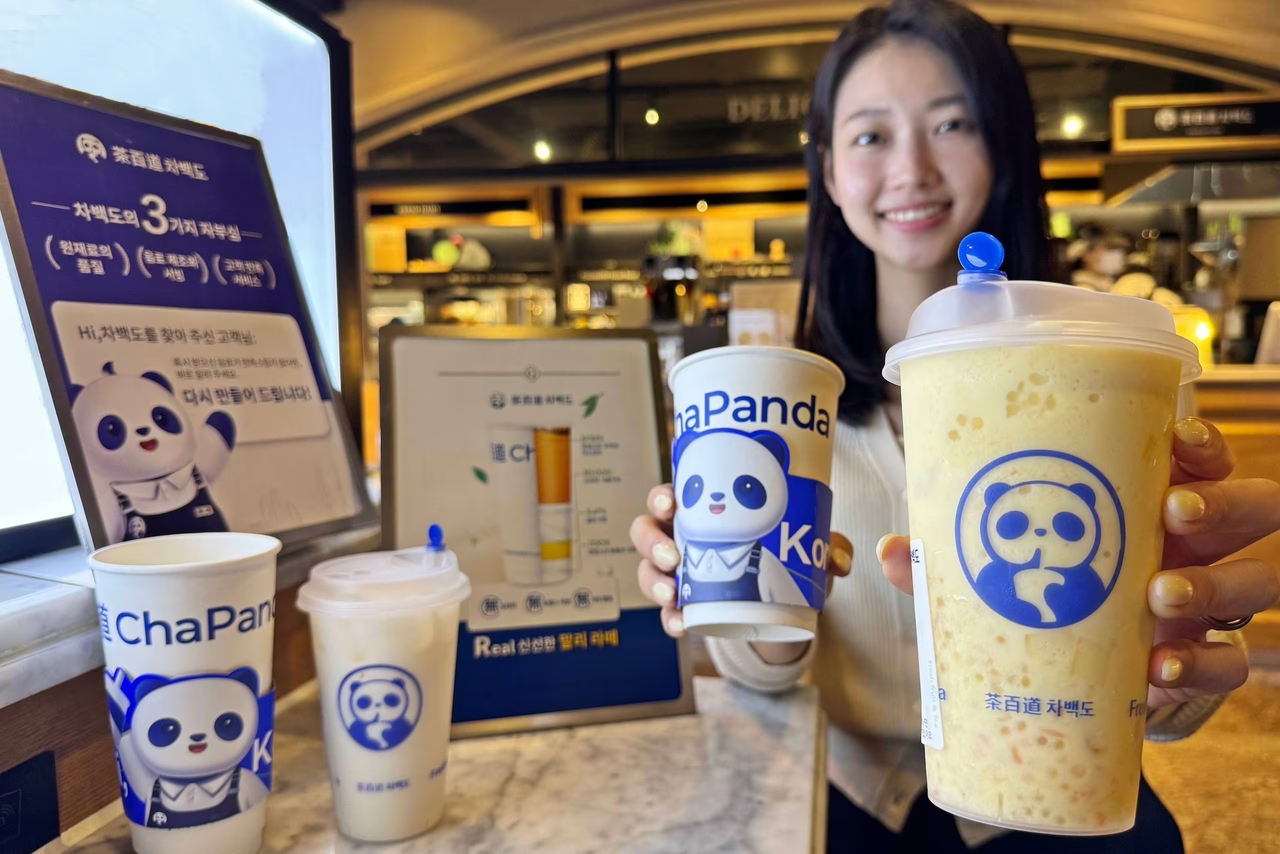
Heytea, Mixue Bingcheng and ChaPanda have already carved out their corners of the market, with ChaPanda at more than 20 locations nationwide, Mixue at 16 in Greater Seoul — including Incheon and Gyeonggi Province — and Heytea at five across the capital.
While Chagee builds its menu around carefully selected tea leaves and fresh dairy, spanning fresh milk tea, brewed tea and tea espresso, its rivals take different routes.
Mixue competes on affordability and scale, while Heytea embedded itself in trend-sensitive neighborhoods through pairings like cheese foam and fruit tea. ChaPanda has pushed hardest for expansion while investing in supply-chain efficiency and digitalized operations.
Korea means more to these brands than a new market that offers relief from China's fiercely crowded domestic landscape and a foothold for global expansion.
"Chinese tea brands will keep coming to Korea as long as growth at home stays elusive," one industry official said, adding that their appeal lies with consumers looking for alternatives to coffee.
Chagee, the Nasdaq-listed chain with thousands of stores across Southeast Asia and the United States, has been direct about its intentions. It sees Korea as a testing ground, one defined by intense competition, exacting consumers and a cafe culture with little patience for mediocrity.
"Korea is experiencing rapid growth in demand for premium beverages and exerts considerable cultural influence within Asia," said Chagee Korea CEO Kim Joa-hyun at a press conference on April 28. "We therefore view it as a strategic base for Chagee's global expansion."
From meal to experience
If milk tea represents the leading edge of this shift, Chinese food franchises are its foundation.
Haidilao offers the clearest measure of how deep that foundation runs, with revenue in Korea rising more than eightfold since 2020 to surpass 100 billion won ($68.7 million) for the first time last year.
Having entered the Korean market in 2014, it now operates 11 stores across Seoul, Busan and Jeju Island. Earlier this year, it launched Haihai Kaochuan, a barbecued skewer chain — its first new brand introduced outside China.
Its growth has been built as much on spectacle as on food, from free nail art and birthday celebrations to in-store opera performances, crafting moments that travel well on social media.
"The key is providing consumers with the feeling that they have been treated, rather than simply fed," one industry insider said.
Across the hot pot category, customization is the common denominator.
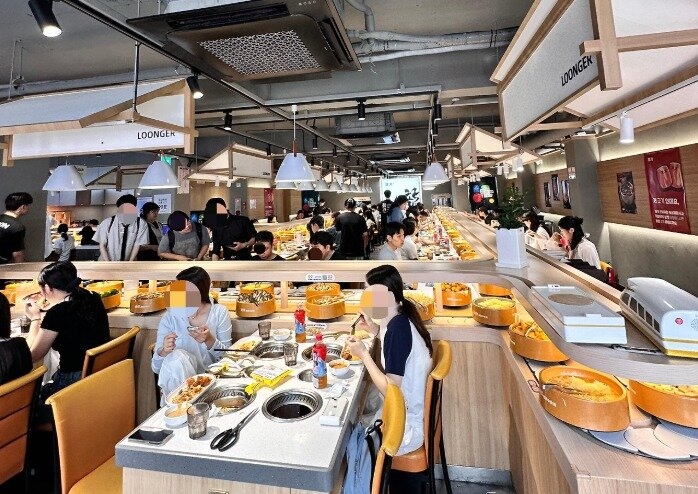
Loonger Hotpot, for one, leans on conveyor systems and individual pots, letting diners set their own flavors and pace.
Sichuan-style hot pot operates along similar lines. Tang Huo Kung Fu, a malatang franchise with more than 560 locations nationwide as of March, places customization at the center, its numbing, fiery broth appealing to younger consumers drawn to participatory dining.
“Young consumers no longer choose restaurants on price alone,” a Loonger Hotpot official said, pointing instead to the appeal of immersive dining experiences and trend-driven consumption.
minmin@heraldcorp.com