Seoul's largest redevelopment project marks a turning point for a neighborhood defined by its diversity
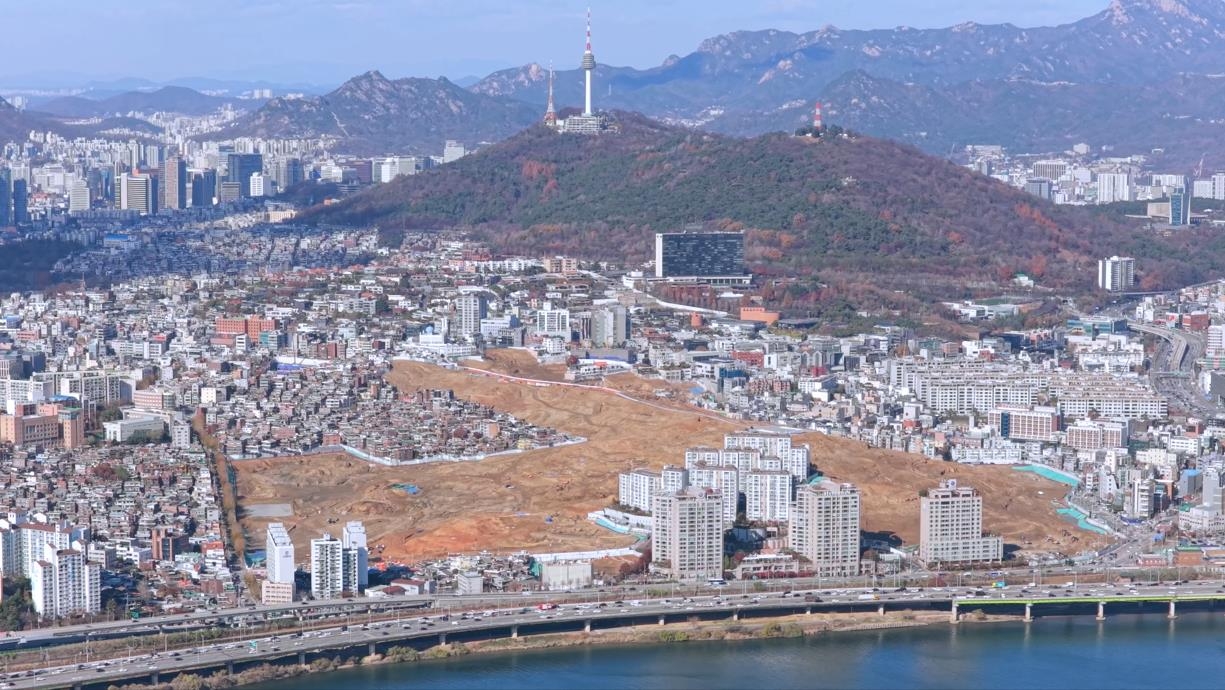
For decades, the hills around Seoul's Itaewon have brought together seemingly disparate worlds: Muslims headed to South Korea's first mosque, LGBTQ+ clubgoers, migrant workers and wealthy families, modest rental homes and some of Korea's most expensive real estate.
Now, the neighborhood is entering a new chapter, as a massive housing redevelopment project reshapes not only its skyline but also the communities that have defined its identity.
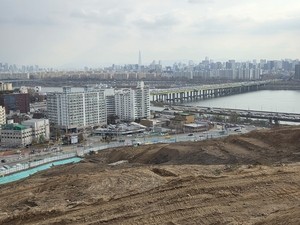
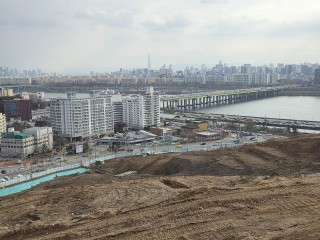
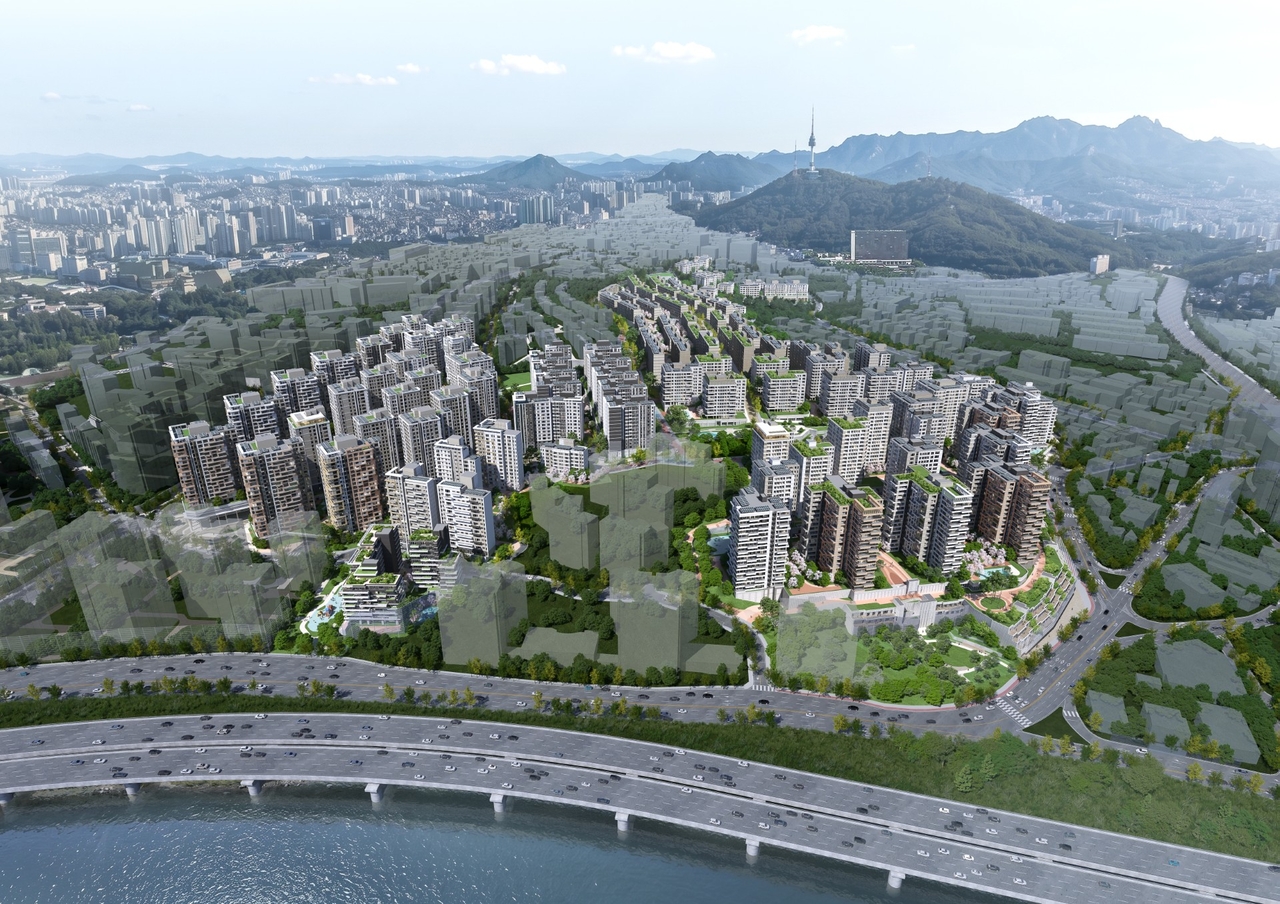
Construction officially began Thursday on the Hannam District 3 redevelopment project, more than two decades after the hillside neighborhood was designated as a New Town district in 2003.
The 386,000-square-meter site spanning Hannam-dong and Bogwang-dong will be transformed into 123 apartment buildings of up to 21 stories, comprising 5,970 homes, including 1,020 public rental units, by December 2030.
Described by the Seoul Metropolitan Government and Hyundai Engineering & Construction as the largest redevelopment project in the city's history, it marks a long-awaited milestone for property owners and a turning point for Itaewon.
Decades in the making
Once considered a “daldongne,” a Korean term for a low-income hillside settlement, the neighborhood gradually became home to migrants, foreign residents and other communities drawn by relatively affordable housing and its proximity to Itaewon.
The redevelopment zone lies directly below the Seoul Central Mosque, at the heart of one of the capital's most internationally diverse neighborhoods.
Yet the area's steep terrain and aging housing had long presented challenges for residents and urban planners alike.
“Improving the residential environment here was desperately needed,” Seoul Mayor Oh Se-hoon said at Thursday's groundbreaking ceremony.
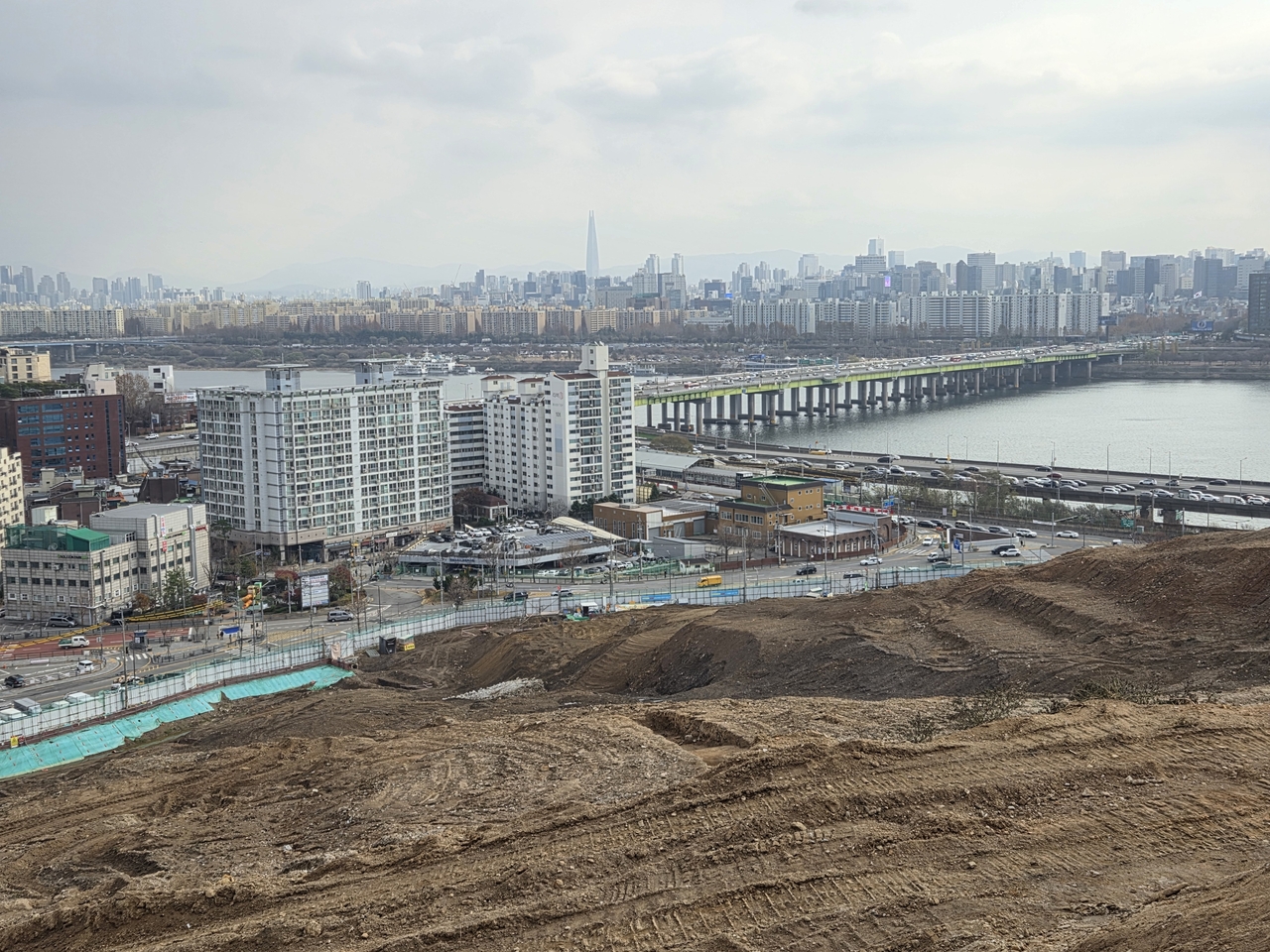
“The project faced many challenges because the site is so large and parts of the neighborhood differ in elevation by as much as 58 meters. After returning to City Hall in 2021, we began devoting our efforts to the project.”
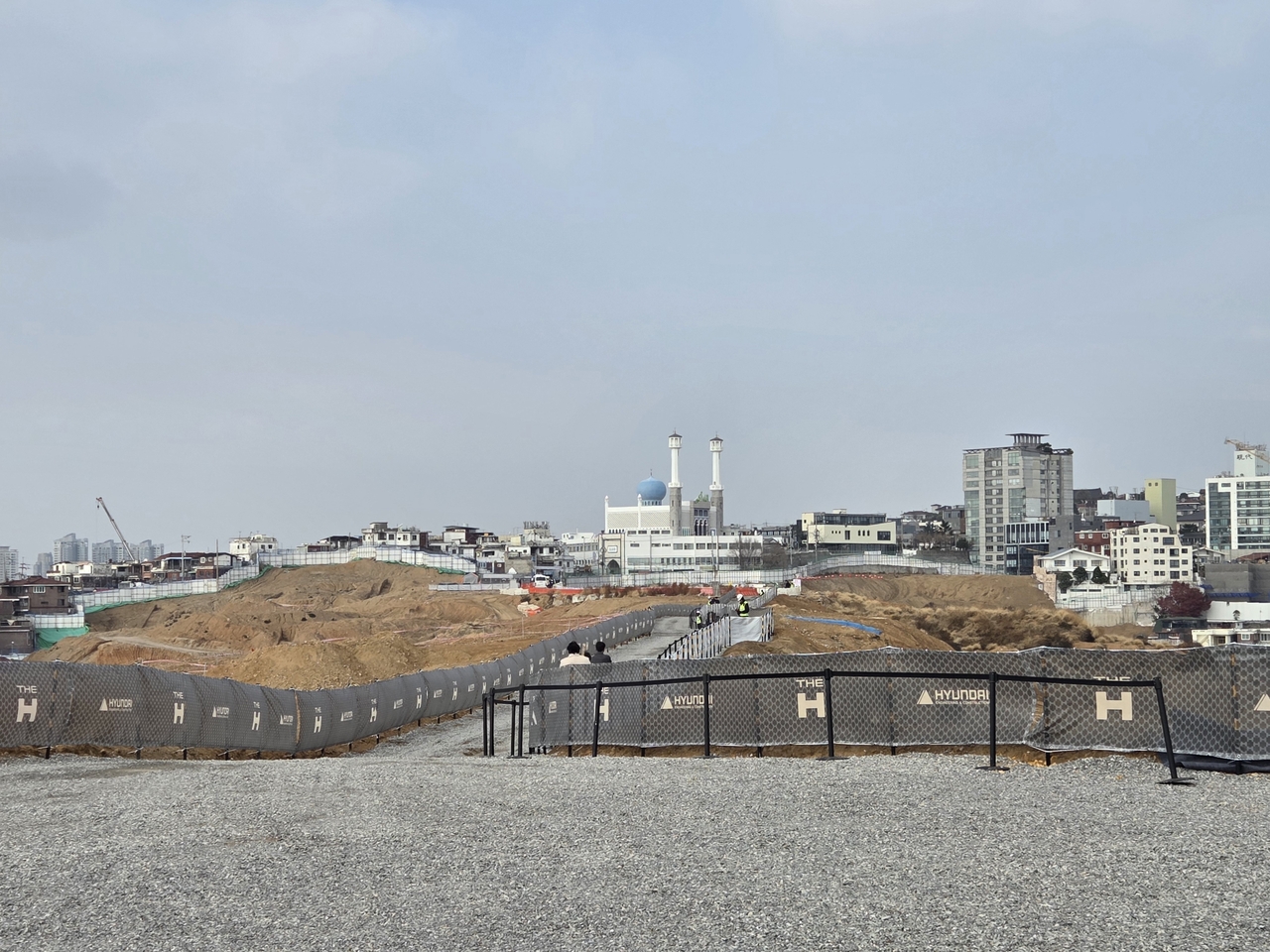
For some longtime residents, the groundbreaking marked the realization of a decadeslong aspiration.
“It feels extraordinary to think that this neighborhood will be completely transformed,” a member of the redevelopment association surnamed Jeon told The Korea Herald while riding a shuttle cart to the construction site.
Jeon, who had lived in the neighborhood for 30 years, pointed from the hilltop to where his former home once stood.
“The road we are passing now was called ‘Dokkaebi Road.’ When the nearby US military base was active, vendors selling goods from the military PX would appear here at night and disappear again by morning, like dokkaebi, the goblin-like creatures of Korean folklore,” he said.
Hannam District 3 is the first of four active redevelopment zones in the wider Hannam New Town project to break ground.
District 2, where 1,311 homes are planned, is undergoing resident relocation and targeting construction in the second half of 2027. Districts 4 and 5, planned for 2,331 and 2,592 homes, respectively, remain in earlier approval stages.
Together, the projects are set to transform a substantial part of the landscape surrounding Itaewon.
A melting pot in transition
What makes the transformation particularly significant is the mix of communities that has long characterized the Hannam and Itaewon area.
Luxury homes, including a former residence of late Samsung Group Chair Lee Kun-hee, stand within walking distance of traditional markets, halal grocery stores, LGBTQ+ nightlife venues and small family-run businesses.
That proximity between vastly different social, economic and cultural worlds has been central to the neighborhood's character.
But even before Thursday's groundbreaking, the demographic and commercial landscape had begun to change.
“Many migrants used to live here, but a lot of them began leaving about a year ago as the redevelopment moved forward,” a resident surnamed Roh told The Korea Herald.
“The community has been torn apart,” he said.
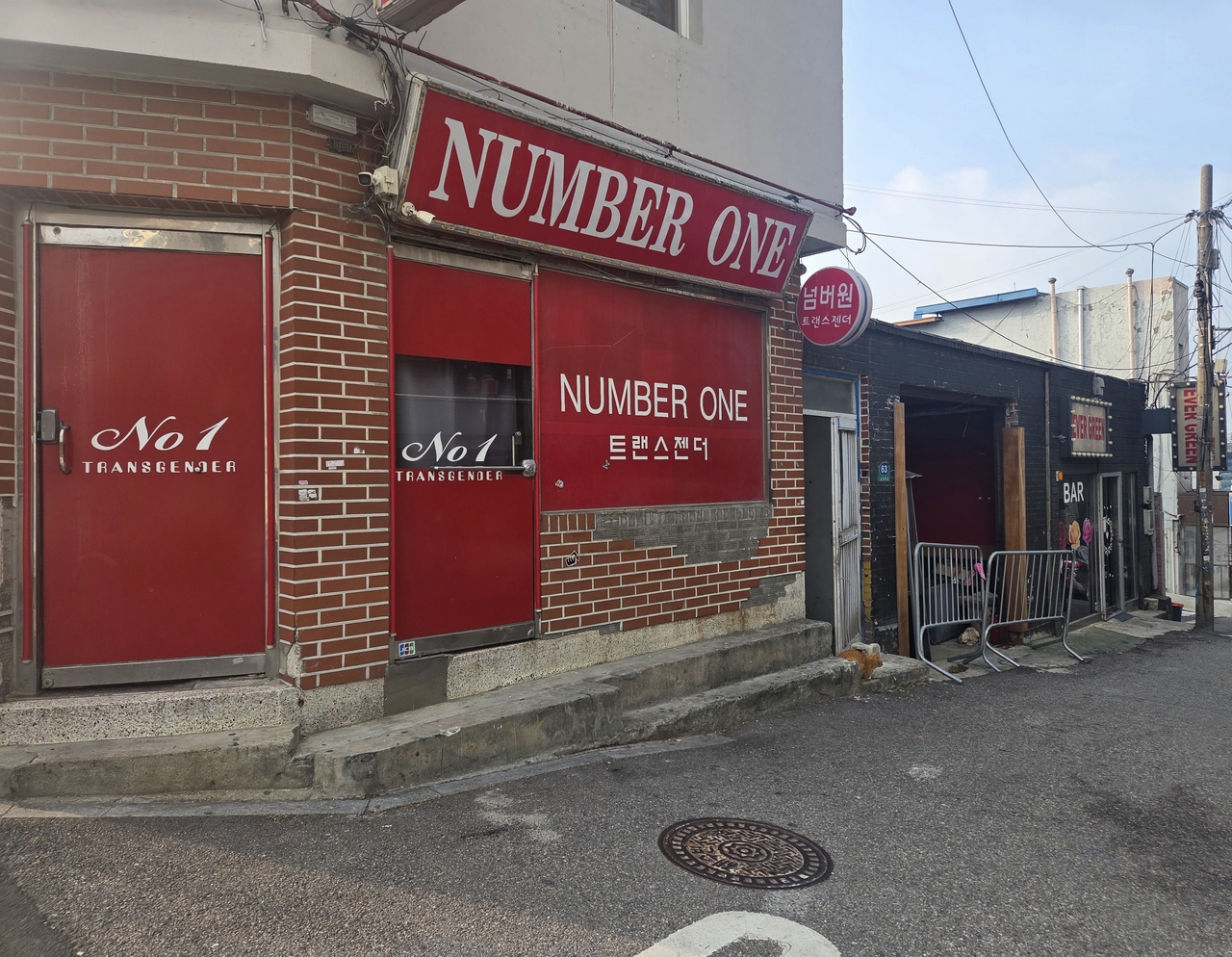
Numerous shuttered storefronts were seen throughout the neighborhood Thursday, including halal restaurants and grocery stores, as well as several LGBTQ+ bars and clubs.
For businesses that have long served these communities, the departure of residents has meant a shrinking customer base. For community members, it has changed the way they gather and interact.
“The people who lived in the neighborhood have scattered since the redevelopment began. It has become difficult for members of the community to meet as they once did. It is sad to see it disappear,” said a restaurant owner who has operated his business for 20 years about 100 meters from the Seoul Central Mosque.
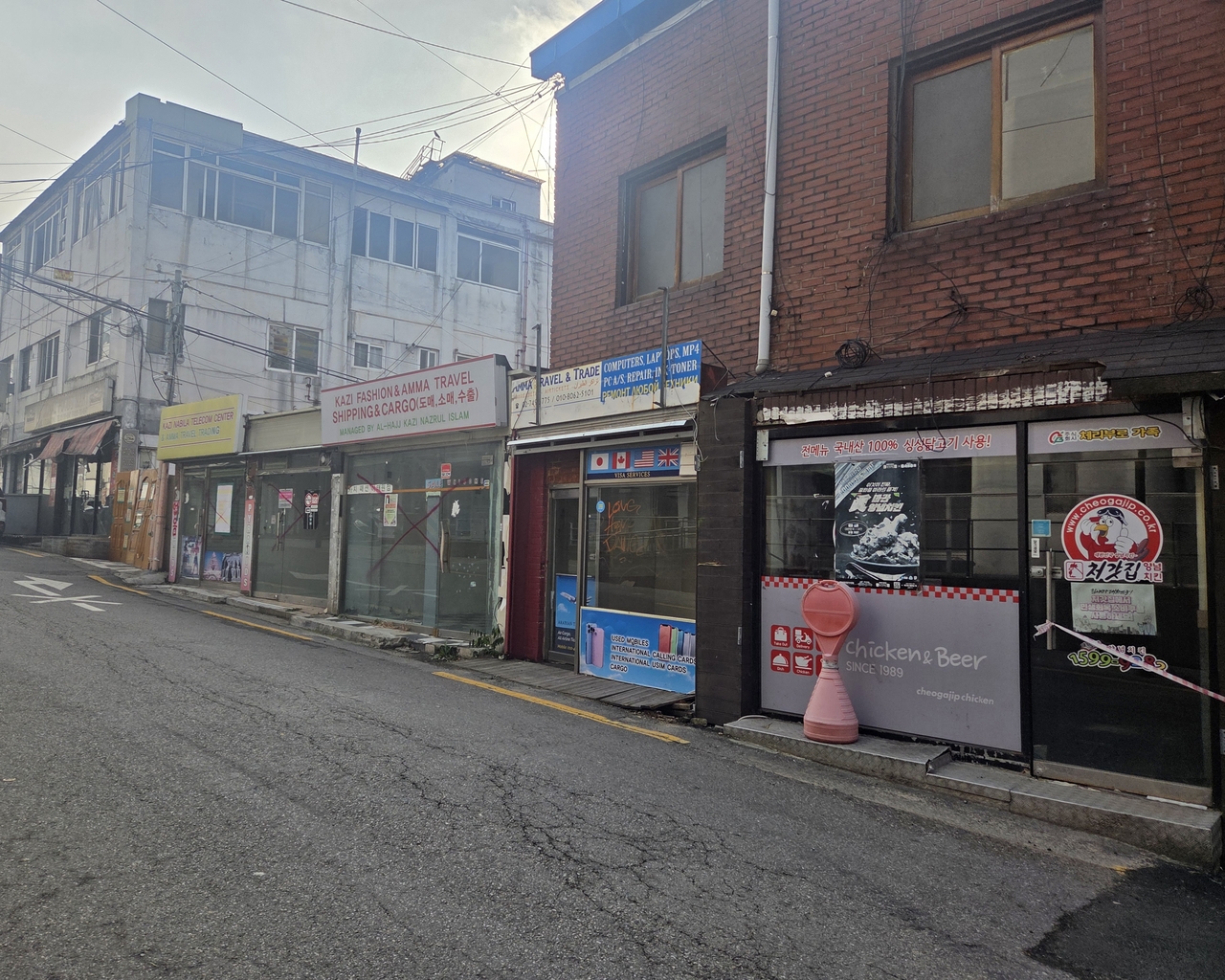
Butt Muzamai, who has lived in Seoul for nearly 26 years, closed his travel agency in the neighborhood after the departure of residents and customers made it difficult to keep the business running.
“There were halal restaurants and grocery stores, and people could walk to the mosque every day. Being close to the mosque was one of the main reasons they lived here.
“As the homes disappeared, the number of worshippers also fell sharply. I don’t know what will happen to the community in the future,” Muzamai said.
For Itaewon, the redevelopment raises a question that goes beyond housing: How will a neighborhood long defined by the coexistence of different cultures, communities and social classes evolve as its residential landscape changes?
Its future skyline is already taking shape in architectural renderings. Its future identity remains less certain.
yunapark@heraldcorp.com