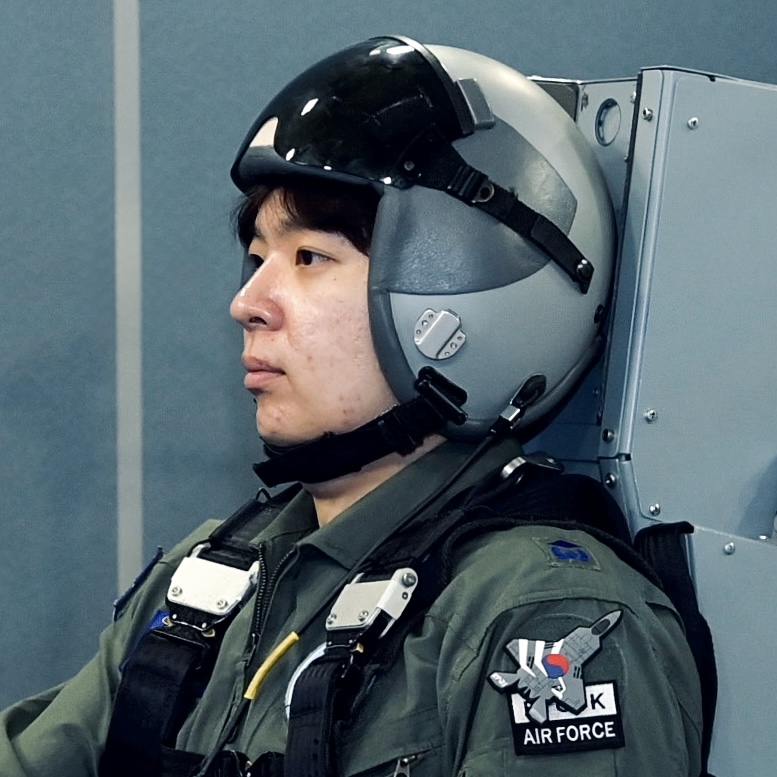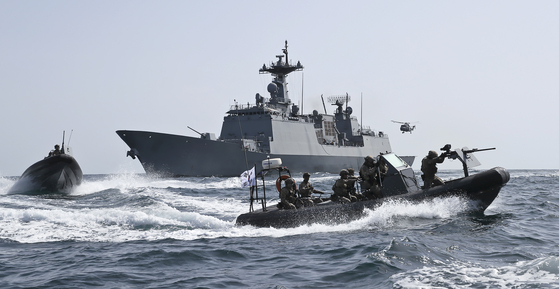
A government plan to expand the operational area and capabilities of South Korea's Cheonghae Unit is set for a final vote at the National Assembly after rival parties agreed on safeguards against military involvement in the US and Israel's war with Iran.
The National Assembly's National Defense Committee approved the revised motion Thursday, a day after the ruling Democratic Party of Korea and the main opposition People Power Party reached an agreement at a subcommittee meeting.
The motion was approved with accompanying provisions ruling out involvement in wars or military operations between foreign countries, requiring strict adherence to the principles of self-defense and calling for efforts to prevent diplomatic friction and ensure the safety of deployed personnel.
Asked by committee Chair Jin Sung-joon of the Democratic Party whether the government would abide by the provisions, Defense Minister Kang Shin-chul replied, "Yes."
South Korea has deployed the Cheonghae Unit to the Gulf of Aden off Somalia since 2009 to combat piracy and protect commercial vessels. Its deployment is renewed annually with the consent of the National Assembly, as required under the Constitution.
The latest motion, submitted by the government on Nov. 10, goes beyond a routine extension, seeking to expand the unit's operational area to waters south of Oman and deploy additional assets, including a maritime patrol aircraft, an explosive ordnance disposal team and uncrewed mine-clearing equipment.
The proposed expansion has drawn criticism that Seoul is seeking to gain leverage in negotiations with Washington by offering indirect military support. The allies are currently in talks over a range of economic and security issues, including the transfer of wartime operational control and South Korea's pursuit of nuclear-powered submarines.
The Defense Ministry, however, has maintained that the expansion is aimed at protecting South Korean nationals and commercial vessels, citing a more than threefold increase in piracy activity as international naval forces have shifted their focus to waters near Iran.
The ministry acknowledged that the deployment of additional assets was also intended to prepare for potential participation in international mine-clearing efforts once the war ends, but stressed that any operations in the Strait of Hormuz would require separate parliamentary approval.
President Lee Jae Myung also reaffirmed Seoul's commitment to staying out of the war in a post on X on Wednesday, stressing that neither the Strait of Hormuz nor its surrounding waters would be included in the unit's expanded operational area.
The motion is expected to be put to a plenary vote in December, before the unit's current deployment mandate expires on Dec. 31.
flylikekite@heraldcorp.com