Global Business Forum explores new investment opportunities, technological breakthroughs and unconventional solutions
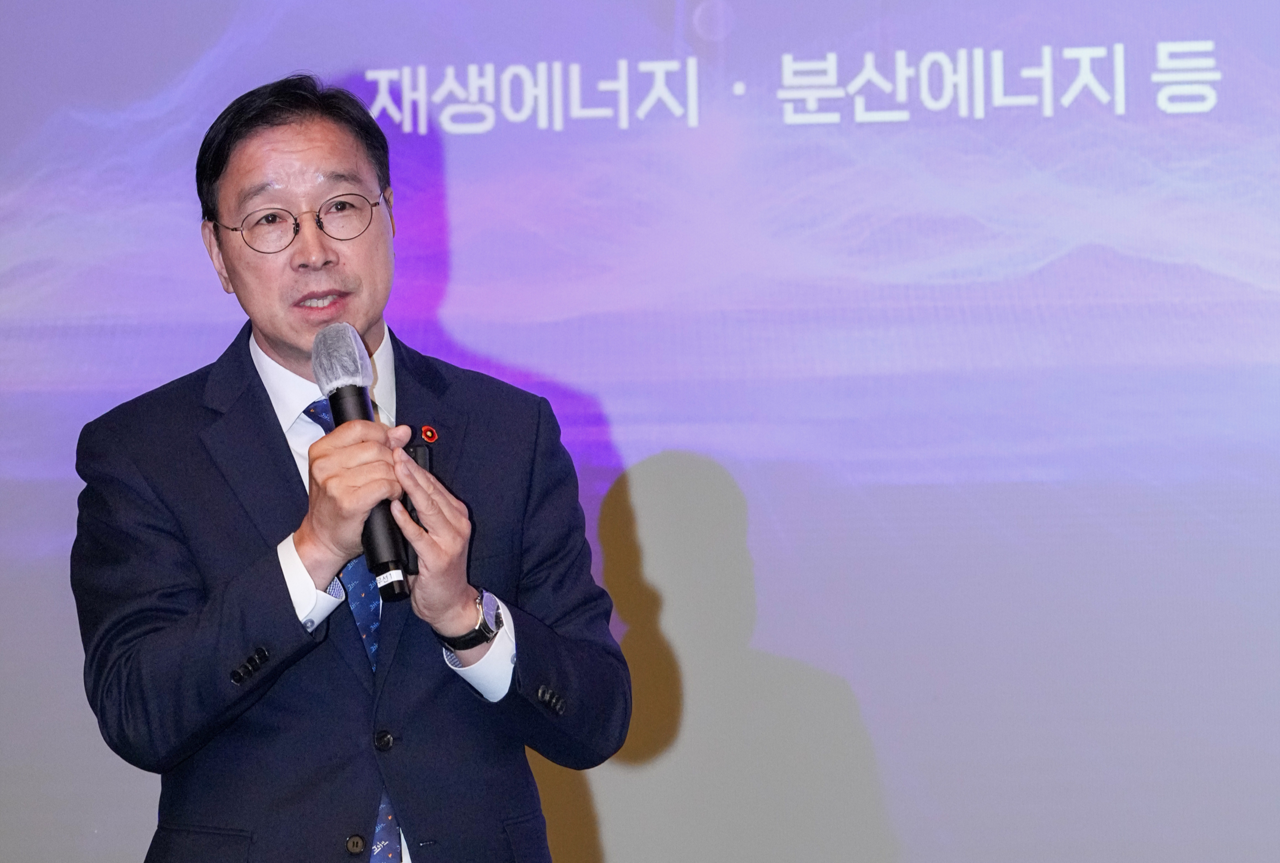
India is betting on deeper global economic integration, while Jeju Island is looking beyond tourism to build new growth engines. Despite their vastly different economic landscapes, both are courting businesses as they seek to capitalize on rapid industrial change.
Their ambitions took center stage Wednesday at the Global Business Forum, held at Summit Gallery in southern Seoul, where Indian Ambassador to South Korea Gourangalal Das and Jeju Gov. Wi Seong-gon outlined their respective growth strategies.
Organized by Herald Media Group, the GBF is a three-month program featuring weekly lectures by leaders from industry, diplomacy, policy and culture.
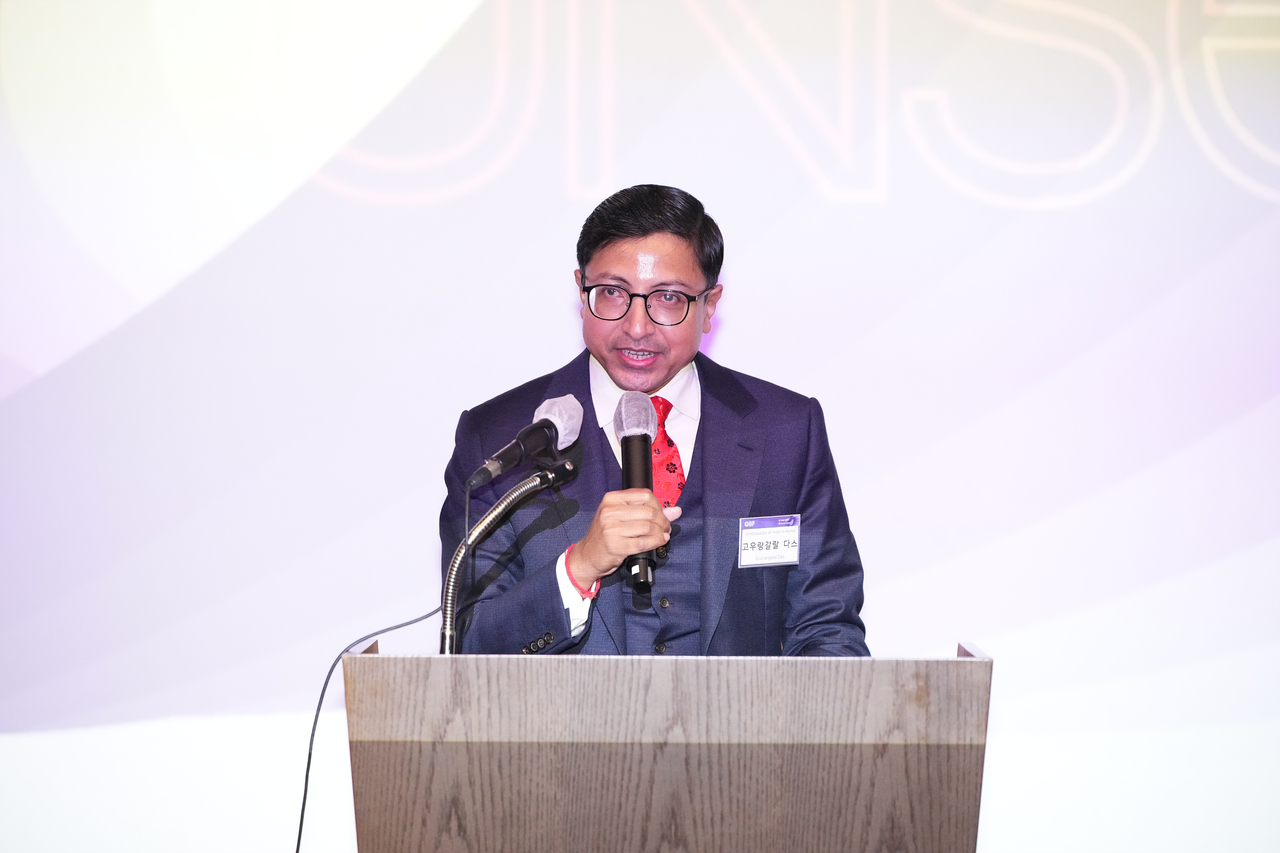
“India has experienced that an autarkic economy does not make us stronger,” Das said. “We grow through integration with the world economy, on the basis of transparent and predictable rules.”
Even as trade barriers rise globally, India is moving in the opposite direction. It signed a free trade agreement with the United Kingdom and is pursuing a similar deal with the European Union.
Das said improvements in infrastructure, education, logistics and manufacturing were helping global companies establish production bases in India. The country's economy grew 7.8 percent in the second quarter despite the war in the Middle East.
South Korea, with its technological strengths, could be a key partner in India's next phase of growth, he added.
For Jeju, the challenge is to transform its tourism-dependent economy into one that attracts and nurtures technology-driven businesses.
Wi said the island had overhauled its business support system, introducing programs covering everything from business development to stock market listings.
Jeju is targeting green energy, space technology and AI applications, seeking to accommodate the entire industrial process, from research and development to manufacturing and technology demonstration.
To attract businesses, the island is offering tax incentives, relocation subsidies of up to 20 million won ($14,900) per household and educational support for employees' children.
“I hope you will see Jeju not simply as a tourist destination where people go to rest and play, but as a place where business can be done,” Wi said.
The forum also explored how unconventional thinking can unlock technological breakthroughs and address long-standing social problems.
Jung Eun-seung, chair of the semiconductor strategy committee of Jeonnam-Gwangju and a former chief technology officer at Samsung Electronics, recalled the company's efforts to develop High-K Metal Gate technology in the 2000s.
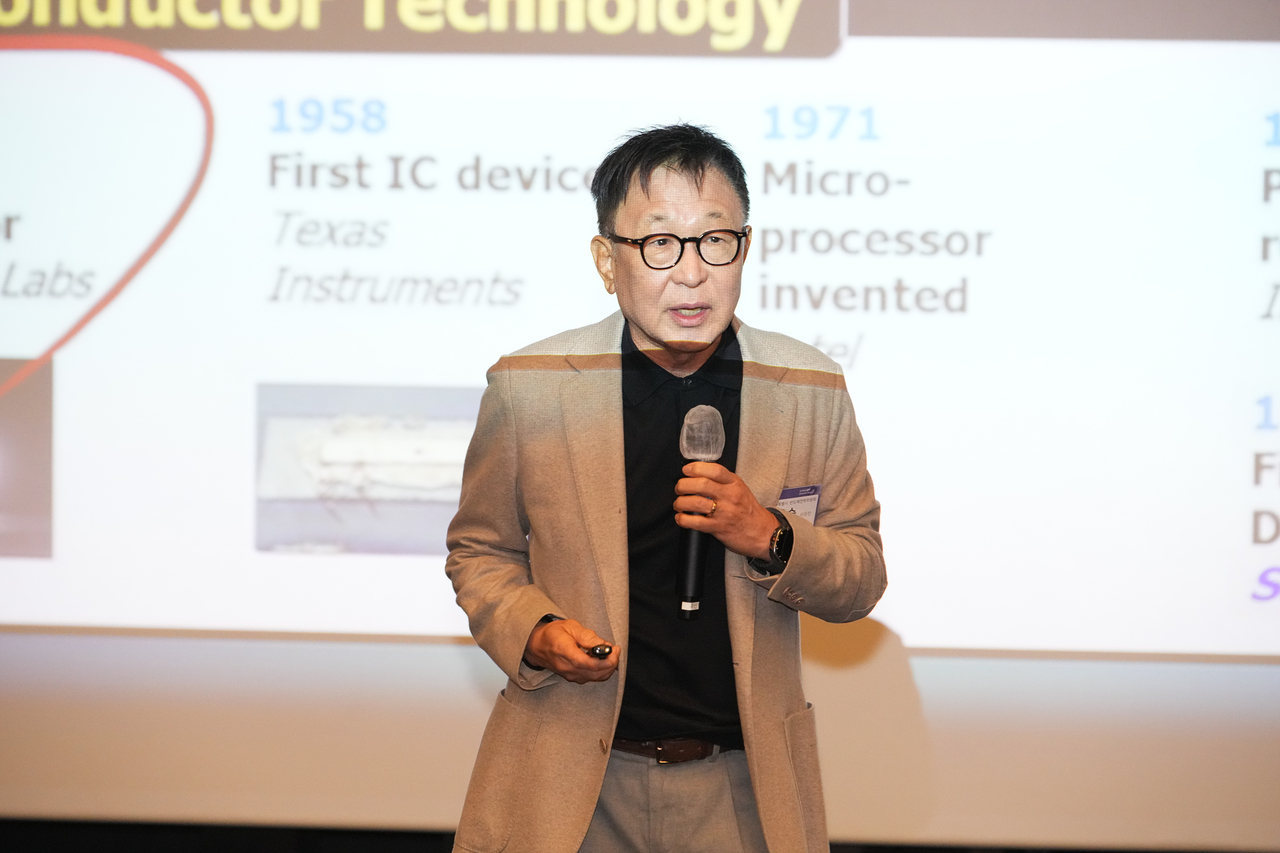
Some team members doubted whether Samsung could compete with Taiwan's TSMC.
“But if TSMC could eventually do something, why should we assume we could not?” Jung said. “When you turn what seems impossible into a vision and pursue it, you can end up changing the world.”
The breakthrough, he said, helped Samsung secure all of Apple's smartphone chip manufacturing orders at the time.
Korea Inclusive Finance Agency President Kim Eun-kyung echoed Jung's emphasis on challenging conventional approaches.
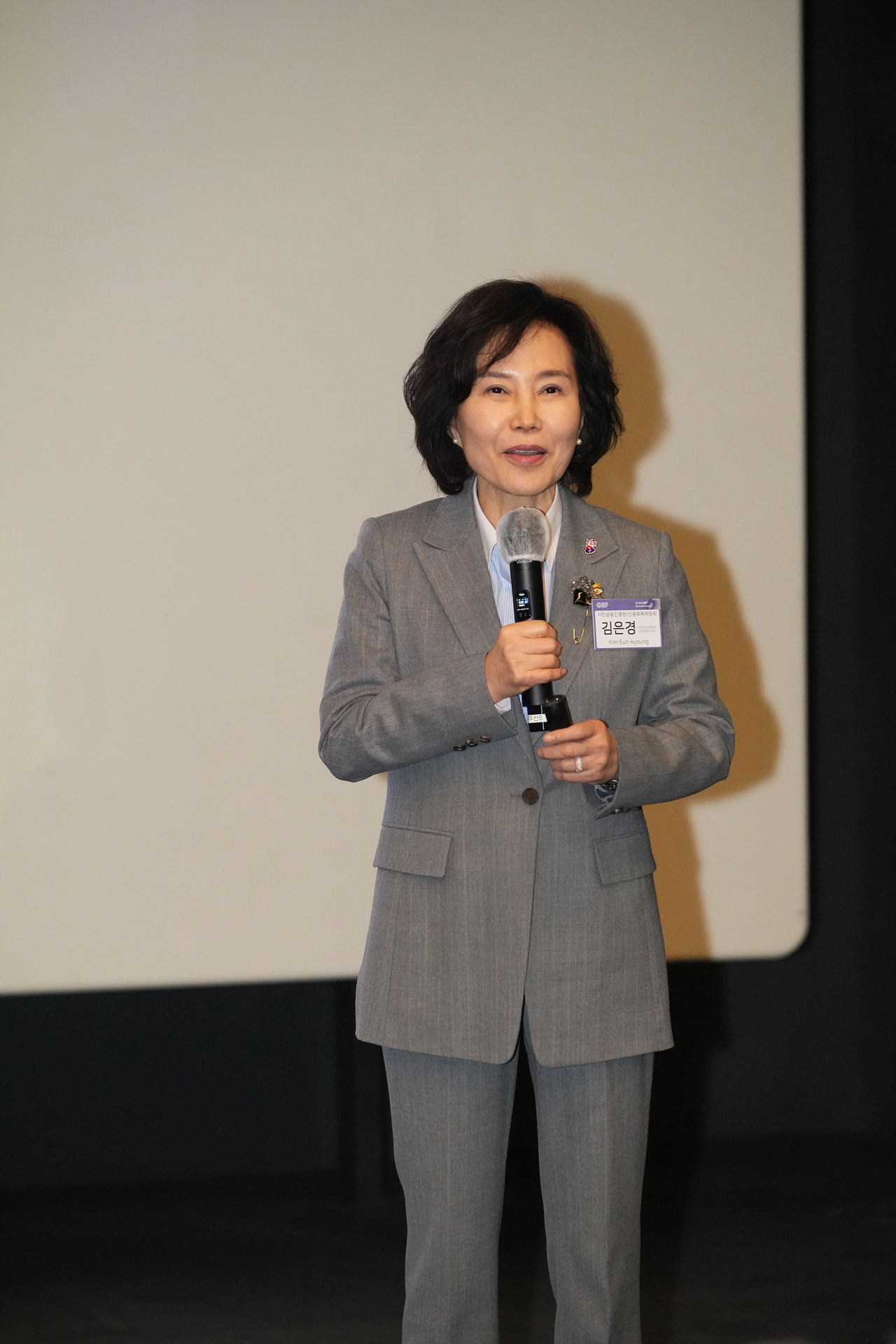
She cited cases in which financial companies returned more than 2 trillion won to consumers over the improper sales of private equity funds, following a shift in legal approach from the Capital Markets Act to the Civil Act.
“We need to identify problems on the ground, cross boundaries and become the bridge that connects the different steps needed to overcome these challenges,” Kim said.
forestjs@heraldcorp.com