In 'And the River Drags Her Down,' Korean American writer Yun Ji-hyun reimagines a Korean folktale as horror story about loss, family and desire to bring back the dead
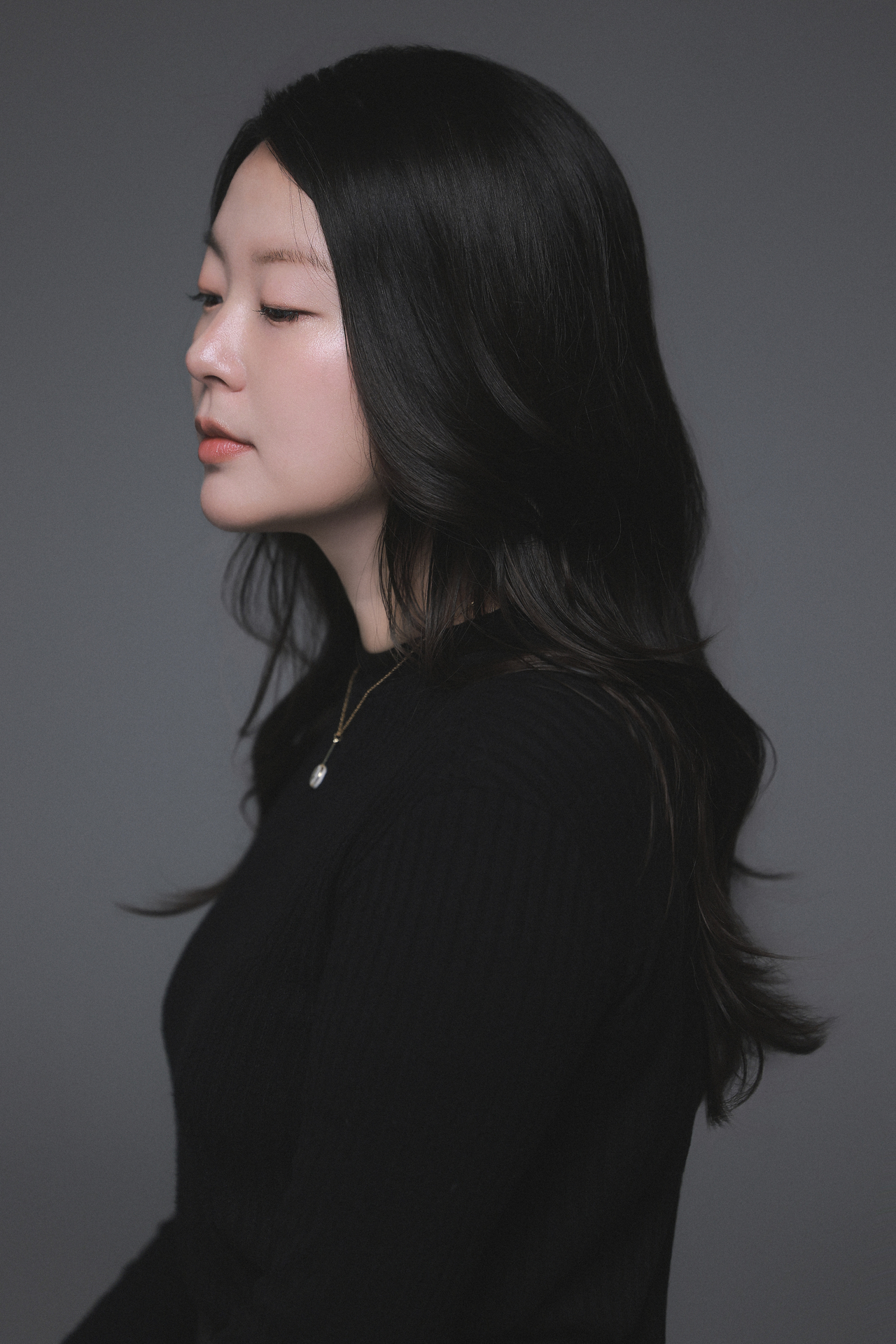
A drowned girl returns from the dead. The rain will not stop. And something hungry is stalking a quiet California town.
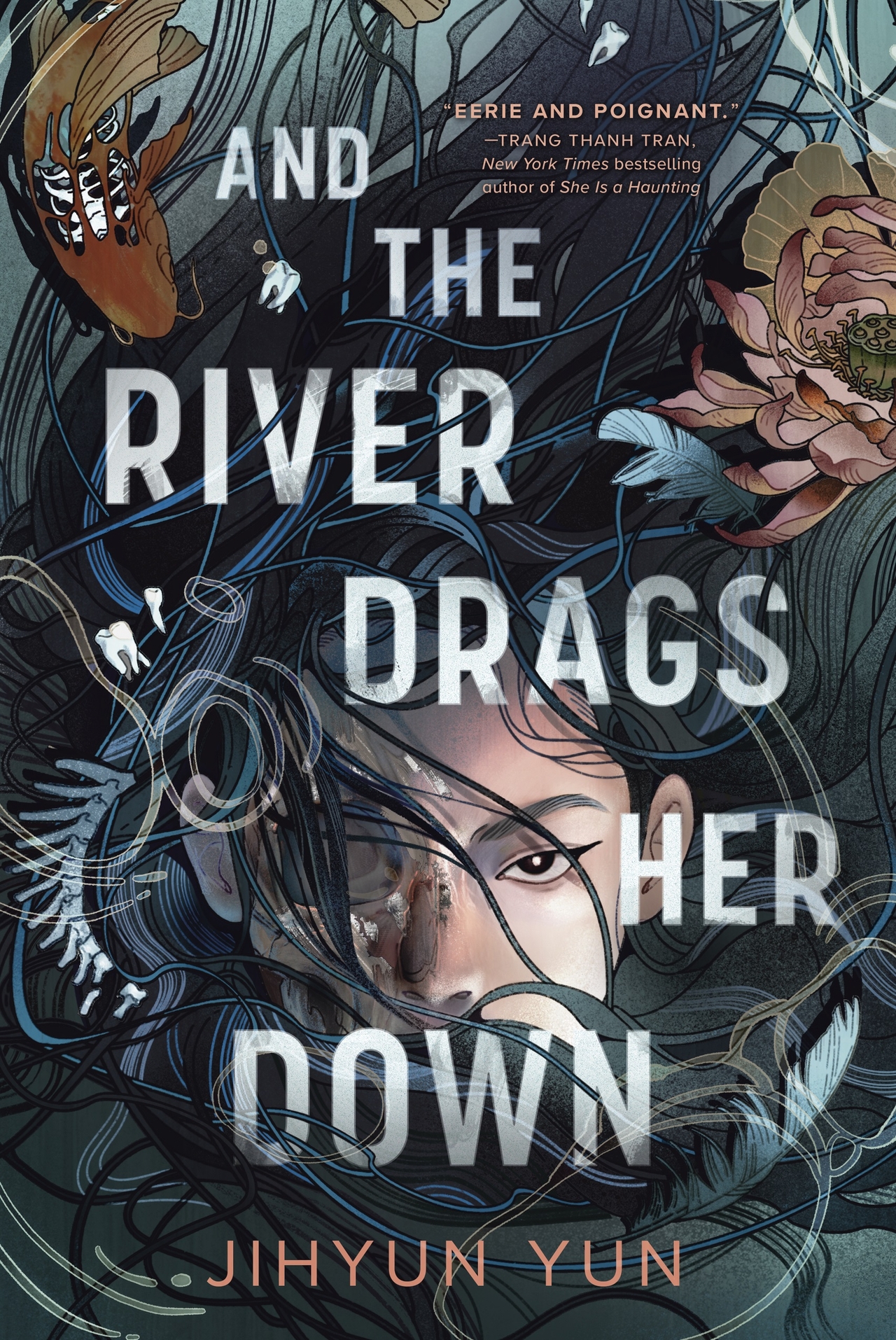
In Yun Ji-hyun's young adult gothic novel "And the River Drags Her Down," a teenage girl, Soojin, breaks the oldest rule of her family's ancestral magic to bring back her older sister, Mirae, who was found drowned in a river.
At first, the resurrection feels like a miracle. The sisters slip back into their old rhythms, stealing late-night moments together. But Mirae soon grows restless, driven by a need to uncover a buried family secret and exact revenge. As destructive rain engulfs the town and strange deaths begin to mount, her younger sister must confront a terrifying possibility: The person she brought back may no longer be the sister she knew.
It is the kind of premise that makes for a spooky Halloween read, but beneath the water ghosts and mounting dread, Yun's novel is concerned with something more intimate than the supernatural: the fear of losing someone, and the impossible desire to have them back.
"I was asking myself the question: What would it be like if I could meaningfully bargain with death?" she said in a recent interview with The Korea Herald, in Seoul.
"If I can make the death reverse, but not the memory of the death, would that be better for me and my community, or would that harm us in some way?"
Yun began writing the book during the COVID-19 pandemic, when a family member was diagnosed with terminal cancer. Confined at home, she watched the person's health deteriorate while absorbing news of a world in crisis. She began writing short prose pieces about grief, loss and sadness, searching for a way to process what she was witnessing.
She initially envisioned a collection of prose poems about grief and loss, rooted in the experience of a family facing death. But a character's voice kept returning, prompting her to explore the questions through a narrative rather than verse.
"I kept having this intrusive character voice in my head, and I decided to pursue the questions not through verse but through character action and mistake."
Although Yun does not particularly enjoy visual horror, she is drawn to what the genre can reveal about fear.
"What I love about horror is that it externalizes internal anxieties," she said. "There's something kind of comforting about watching your fears take a physical shape and watch characters contend with it."
Horror also gives readers a degree of control, she added. In real life, people cannot choose when they will lose someone or how they will respond. In a book, they can close the pages when the emotions become overwhelming and return when they are ready. The experience can offer what Yun described as an emotional toolkit for confronting fear.
As a writer, Yun favors suspense over graphic violence. She gravitates toward the slow accumulation of dread, the sense that something terrible is approaching without knowing when it will arrive. In "And the River Drags Her Down," that unease builds as the town is consumed by rain and unexplained deaths.
Rewriting Korean folktale
The novel also revisits a story that has stayed with Yun since childhood: Janghwa Hongryeon, a Korean folktale about two sisters whose suffering continues even after death. Yun first encountered the tale through Kim Jee-woon's 2003 film "A Tale of Two Sisters." Her novel loosely reimagines the folktale, retaining its central themes of injustice and grief while giving the sisters a different fate.
In the traditional tale, the sisters have little control over their lives. Even after returning as ghosts, they must appeal to others to resolve their grievances. In her version, the younger sister survives the drowning, while the older sister returns with a physical presence that allows her to act on her anger.
"I wanted to retell it this time so that the sisters can actually resolve their own grudges and seek their own redress," Yun said.
The novel's bone magic, meanwhile, grew out of another childhood memory. Yun recalled watching her grandmother dry chicken bones and eggshells, crush them and mix them into the soil to nourish her garden. The image of the remains of a living body helping new life grow became the seed of the novel's fictional magic system.
Korean cultural traditions also connect the family's grief to a wider sense of belonging. One scene depicts jesa, a ceremony honoring deceased relatives, which Yun hopes will feel familiar to Korean readers across the diaspora.
"I've noticed that Koreans celebrate death and birth in the same way," she said. "It's a cultural touchpoint that continues to tether Koreans together across continents."
Still, shared traditions do not make loss any easier to navigate. For Yun, grief remains deeply personal and rarely follows a clear path.
"There's no perfect way to grieve. Grief can be nonlinear and messy.”
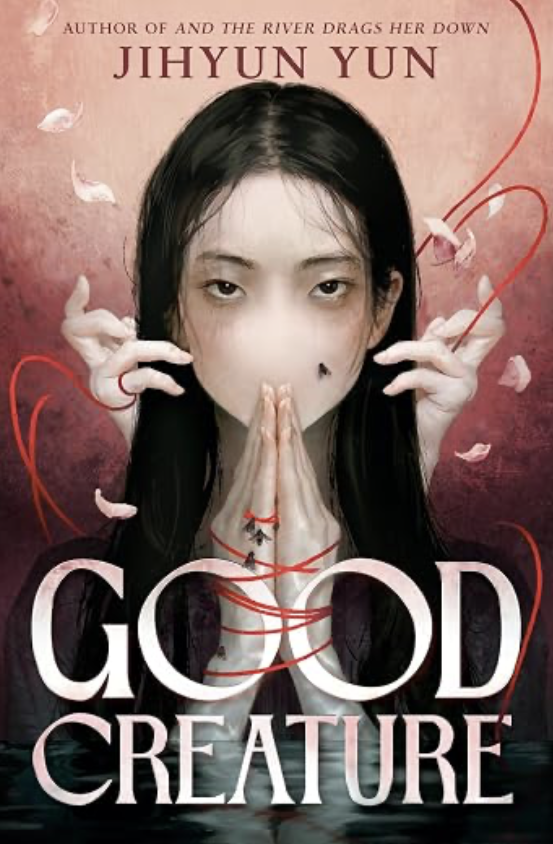
Yun is already returning to the gothic with her next young adult novel, "Good Creature," scheduled for release on March 30. The book follows Lamb Sun, a Korean American college freshman who accidentally finds herself married to a ghost after a posthumous marriage scheme goes awry. What begins as an unusual predicament soon turns into a more sinister haunting on campus.
Yun describes the book as strange, romantic (though not a romance) and creepy. Like "And the River Drags Her Down," it finds the uncanny in the places where the living remain entangled with the dead.
hwangdh@heraldcorp.com