Yulgok Yi I, King Sejong, Jeong Yak-yong offer timeless lessons and study guides
Study methods of top scorers and successful test-takers are often passed down almost like legendary study guides, with students searching for the tricks that might work for them. But there is no one-size-fits-all formula for studying. Finding a method that suits you is just as important as putting in the hours.
Students across Korea will sit for the Suneung, or College Scholastic Ability Test, on Thursday after years of rigorous study and preparation. But the pursuit of academic success is hardly new in Korea. How did scholars of the Joseon Dynasty (1392–1910) approach learning, and what study habits shaped some of the era's brightest minds?
From Yulgok Yi I to King Sejong and Jeong Yak-yong, a look at three celebrated figures offers a peek into how Korea's intellectual giants learned — and what students today might take away from their methods.
Nine-time exam champion
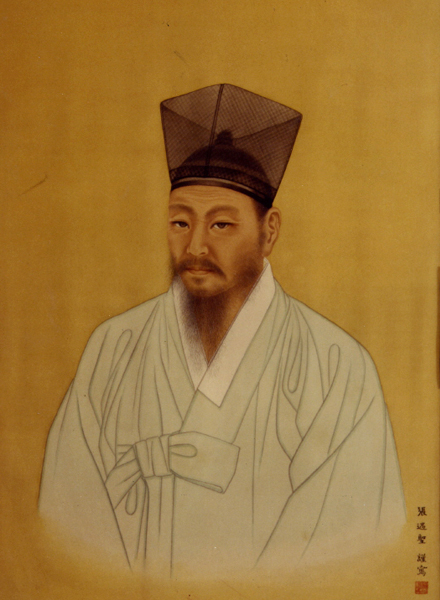
Few figures in Joseon history rival Yulgok Yi I (1536-1584) in sheer intellectual brilliance. He was known as "Gudo Jangwon-gong," or "Nine-Time First-Place Laureate," for topping the state examinations nine times — a feat unmatched in Joseon history. He passed his first exam at just 13 and went on to win top honors in nine exams before turning 29.
In "Yulgok's Study Methods," former Dongguk University professor Song Seok-gu reinterprets the philosopher's approach to learning for modern readers, outlining nine principles.
They begin with setting clear goals and believing in one's potential, while breaking bad habits and building discipline through mindful routines. Sustained concentration, he argues, is key to making studying a natural habit.
Once studying becomes second nature, reading follows naturally — but learning should not stop at absorbing information. Students should challenge conventional thinking, exchange ideas with others and recognize their own shortcomings through discussion.
Above all, Yulgok emphasizes the importance of keeping a virtuous mind throughout the process, believing that true learning lies not only in acquiring knowledge but also in cultivating one's character.
Power of asking questions
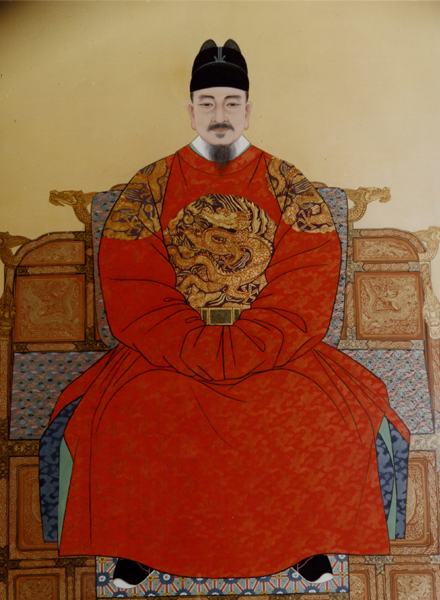
The statue of King Sejong in Gwanghwamun Square is a fitting tribute to one of Korea's most revered rulers. The fourth king of Joseon (r. 1418-1450) ushered in an early renaissance for the kingdom, from creating the Hangeul writing system to advancing science, agriculture, military affairs and music.
Sejong's study method could be summed up in two words: ask and discuss. One question he frequently posed to his officials was, “What do you think?”
According to Park Hyun-mo, head of the King Sejong Leadership Institute, 63 percent of Sejong's decisions were made through discussion, compared with 29 percent through direct orders. Under King Sejo, Sejong's son, 75.3 percent of decisions were made by order, while just 20.9 percent involved discussion.
In 1420, Sejong reorganized Jiphyeonjeon, or the Hall of Worthies, into a royal think tank that played a key role in his approach to governance. There, leading scholars conducted research, exchanged ideas and advised the king. They also took part in Gyeongyeon, royal sessions in which the king and scholars discussed classical texts and matters of state.
As Jung Yoon-jae, a professor at the Academy of Korean Studies, writes in his book on Sejong's leadership, the king's willingness to hear frank opinions and rely on open debate and communication was central to the way he shaped policy and governed.
Reading deeply, thinking critically
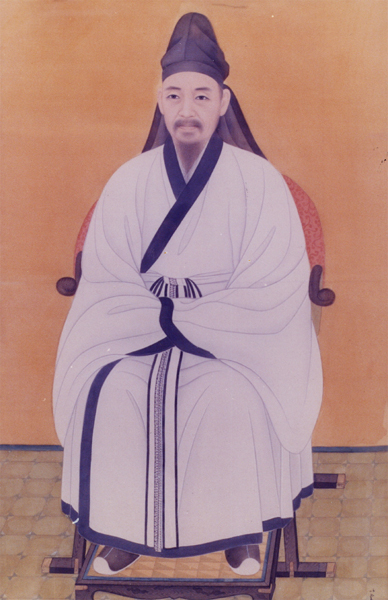
Few scholars of the late Joseon period were as prolific as Jeong Yak-yong (1762-1836), a leading figure of the Silhak, or practical learning, movement. He is credited with writing more than 500 books, covering subjects as varied as history, geography, law, architecture, medicine and literature.
His appetite for reading began early. One oft-told anecdote recounts how the young Jeong borrowed so many books from his grandfather's that he had to carry them home on an ox. When a scholar questioned whether he actually read them all, Jeong offered to answer questions about any of the books. He did so with ease, impressing the scholar.
But Jeong's approach to reading was about more than quantity. Two methods stand out: "jeongdok," or close reading, and "choseo," the practice of extracting key passages from books.
In letters to his children, he urged them not to move on from a passage until they fully understood it, and to revisit important ideas until they stayed in their minds. Jeong also encouraged them to practice choseo by selecting and organizing key ideas while adding their own thoughts.
For him, reading was not simply about absorbing information, but about questioning, interpreting and making knowledge one's own.
hwangdh@heraldcorp.com