A hanbok fashion show unfolds on a space station-like stage set along the “king’s road”: a DJ mixes traditional Korean music with electronic dance beats, dancers join hands and move in a widening circle to a hip-hop rhythm as they sing “Ganggangsullae.”
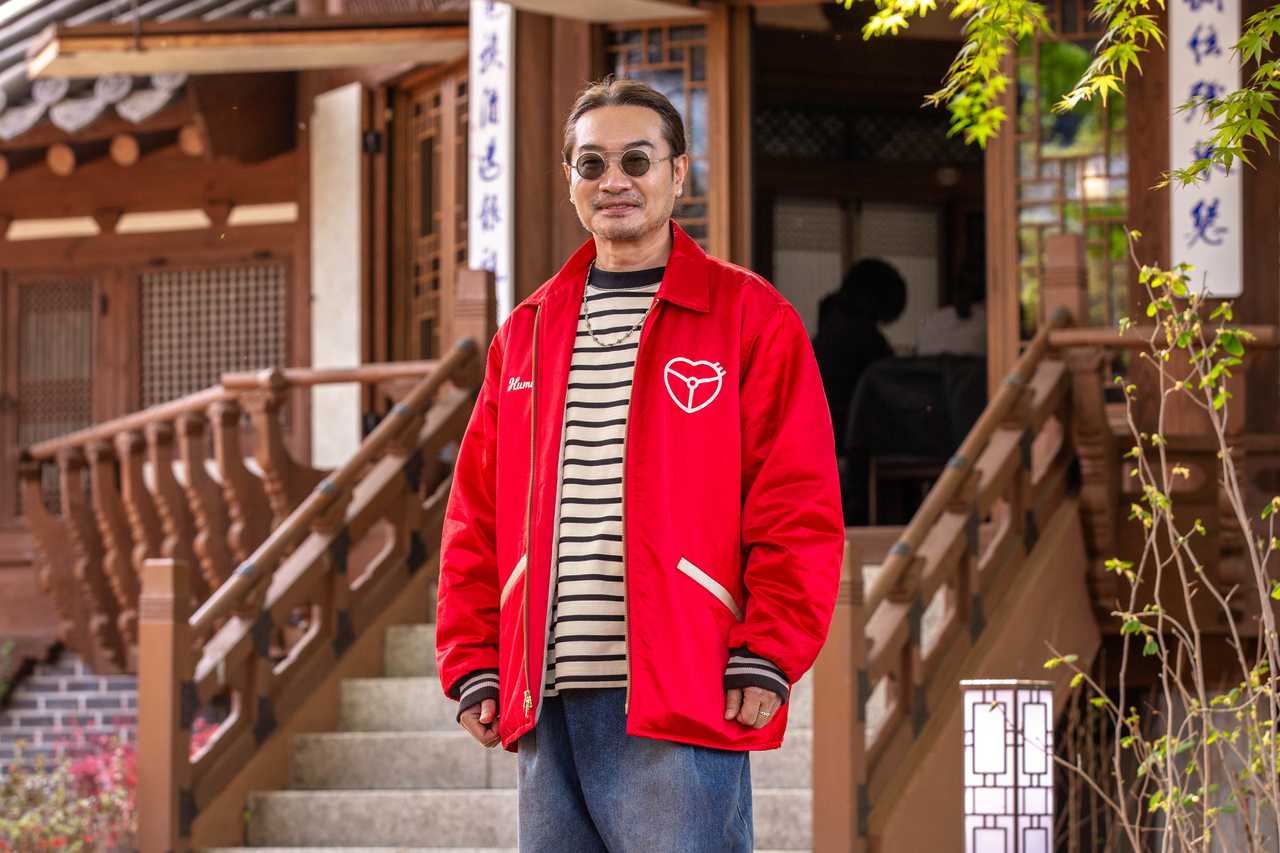
“At first glance, it may look like a space station,” said Yang Jeong-woong, the artistic director of this year’s Royal Culture Festival opening ceremony, as he described the stage.
“Along the royal pathway, Korean and foreign-national models will walk together in hanbok, accompanied by music that brings different elements into harmony.”
All of this will take place inside Gyeongbokgung, the main royal palace of the Joseon era (1392-1910), in the heart of Korea.
Yang said he hoped the opening ceremony would inspire visitors by bringing together not only history and tradition, but also the present and the future.
Speaking on Wednesday, he recalled accepting the role without hesitation when it was offered last fall.
Held each spring and fall, the Royal Culture Festival has featured prominent directors over the years. Last year, amid a surge of global interest in traditional Korean culture, most programs across Seoul’s palaces sold out, drawing a record 1.37 million visitors. This year, too, most programs sold out shortly after ticket sales opened.
For Yang, the palace has long been a dream stage. He adapted classical Korean novels for theater in his 20s and often imagined what it would be like to stage such works within actual palace grounds.
“The palace is a space where tradition is alive and breathing. But those who visit are today's people, and within that, there is also a vision of the future.”
He described repeatedly surveying sites like Geunjeongjeon Hall and Gyeonghoeru Pavilion while getting ideas for the stage, envisioning how performances and Korean dance might be integrated into the historic setting.
The theme of this year’s opening ceremony is “transcendence.” Yang, who previously incorporated traditional culture into large-scale productions such as the 2018 Pyeongchang Winter Olympics opening ceremony and the 2025 Asia-Pacific Economic Cooperation's dinner gala, said he sought to illuminate the palace from multiple angles.
He identified the “artistic expansion of the palace” as a central concept, adding that he had carefully considered how to connect the historic site seamlessly with music, dance and media art.
Particular attention has been given to a circular stage to be installed at Heungnyemun Square, positioned along the royal pathway between the gate and the palace’s inner halls.
“Against the backdrop of Heungnyemun, perhaps it will feel like the past, present and future are meeting here as if a spacecraft has landed. I hope audiences will simply immerse themselves in each moment of the performance.”
Even for a veteran director, staging an event at a historic palace presents challenges. The Gyeongbokgung complex is a protected heritage site, imposing strict limitations on installations and structures.
“But constraints can also be an interesting challenge. Cultural heritage must be carefully preserved, so there were far more restrictions than usual. Still, I tried to turn those limitations into opportunities for imagination.”
He emphasized that traditional Korean culture continues to offer deep artistic inspiration.
“Tradition is a treasure accumulated over a long time,” he said. “When planning a production, I think first of a central color. This time, I focused on the color of time embedded in the palace itself.”
The Royal Culture Festival is the country’s largest heritage event. It takes place across Seoul’s five royal palaces — Gyeongbokgung, Changdeokgung, Changgyeonggung, Deoksugung and Gyeonghuigung — as well as Jongmyo Shrine, which houses the ancestral tablets of the Joseon royal family.
This year’s opening ceremony is scheduled for April 24.
hwangdh@heraldcorp.com