Reform targets structural gaps in application-based support system
The South Korean government is ramping up direct intervention in vulnerable households to provide emergency aid, following a series of murder-suicides that claimed at least 10 lives in March.
The Ministry of Health and Welfare said Wednesday it was planning to allow authorities to provide assistance in some cases without requiring prior application or consent from the recipients.
Under the plan, set to take effect this month, local governments will be allowed to apply for basic livelihood assistance on behalf of people who are unable to give consent, regardless of whether their guardians or caregivers approve.
This includes minors and individuals who are too ill to consent, as well as cases where consent from legal guardians cannot be obtained.
The current system requires consent from recipients, and often prevented vulnerable individuals under guardianship from receiving aid.
To facilitate faster support, authorities will be permitted to conduct simplified assessments of income and assets, while temporarily waiving asset checks that require consent. Recipients’ financial status will be reevaluated within three months using official data.
The ministry also introduced liability protections for frontline officials, who have raised concerns about potential penalties for disbursing public funds without complete verification. Officials who follow established guidelines will be exempt from liability.
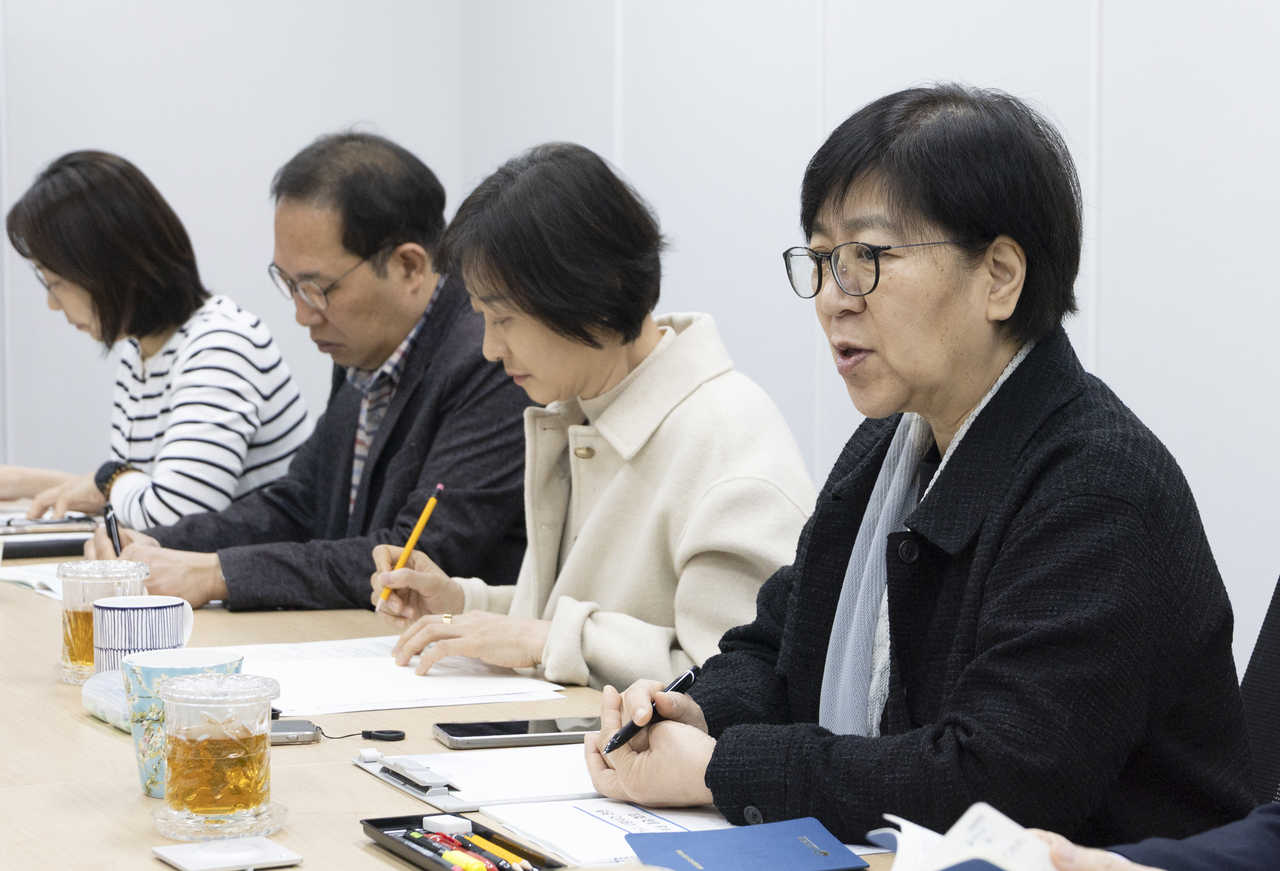
“For marginalized citizens facing urgent economic hardship, allowing authorities to apply on their behalf will enable more active and immediate support,” Welfare Minister Jeong Eun-kyeong said.
The policy is part of a broader shift toward a more proactive approach in South Korea's welfare system, which has largely depended on individuals applying for support and proving eligibility.
Calls for reform grew after three tragic incidents in March, including separate cases in North Jeolla Province and Ulsan where people killed family members before taking their own lives.
In Ulsan, a father who had previously refused assessment for livelihood assistance killed his four children and himself. Authorities knew that the family needed assistance, but could not look into his finances or apply on his behalf because of the consent requirement.
To bridge the gap between institutions and on-the-ground realities, the government has already introduced a system allowing officials to apply for aid on behalf of recipients. However, the requirement for recipient consent has limited its use.
According to Rep. Nam In-soon of the ruling Democratic Party of Korea, there were only 198 cases in 2024 in which basic livelihood assistance was granted through applications by public officials.
“The current system forces households in crisis to prove their own hardship,” said an official from Woori Welfare, a Daegu-based civic group. “It needs to go beyond simply identifying warning signs and move toward more active intervention.”
The ministry plans to distribute detailed guidelines to local governments by May and support legislation in the National Assembly to formalize intervention without recipient consent within this year.
It also aims to introduce a comprehensive support package that follows initial aid, while addressing concerns over the increased administrative burden on public officials.
If you’re thinking about self-harm or suicide, contact the Ministry of Health and Welfare’s helpline at 109, available 24 hours a day, 7 days a week. Please request a translator for English-language services.
forestjs@heraldcorp.com