Justice Ministry stalls law revision, calls for ‘active administration’
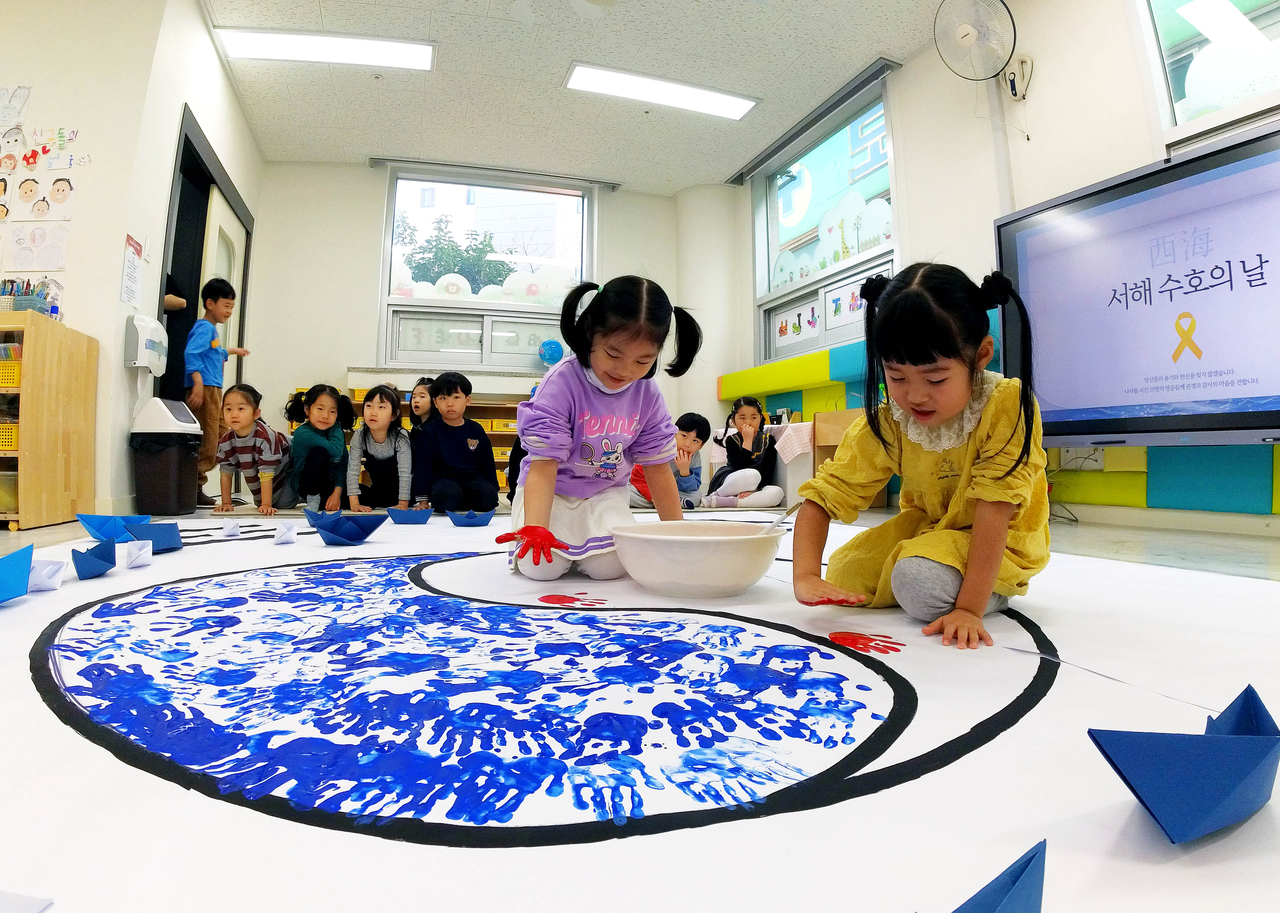
Undocumented migrant parents in Gyeonggi Province are avoiding a new child care subsidy program, fearing it could expose them to immigration authorities and lead to deportation, local media reported Monday.
The program launched two months ago provides monthly support of 100,000 to 150,000 won ($67 to $101) for children born to undocumented immigrants. It also allows access to public library memberships and support services from private nongovernmental organizations using certificates issued by the province.
But in practice, applying for the program could put families at risk.
Under Article 84 of South Korea’s Immigration Act, public officials are required to report undocumented immigrants they encounter without delay, except when providing medical or educational services. Child care is not included in those exemptions.
Gyeonggi Province told regional daily Gyeonggi Ilbo that once local officials notify immigration authorities, deportation procedures could begin, potentially resulting in the child either being deported with the parents or separated from them.
"The program was launched despite institutional instability and anxiety among parents because we deemed it urgent to guarantee the basic rights of undocumented migrant children outside the formal system," said a provincial official.
The official added that for the public confirmation system to function properly, the law must be revised to include child care services among the areas exempt from the reporting obligation.
Gyeonggi Province said it had coordinated with the Justice Ministry before launching the program and was told that public officials would be exempt from the reporting obligation.
According to the province, the Justice Ministry said in December 2025 that it was working on a legal revision to add child care support to the list of services exempt from the reporting requirement. But four months later, the ministry has yet to propose an amendment, instead requesting province officials to engage in "active administration."
However, the province told The Korea Herald that it held a meeting with the Justice Ministry last week and agreed to work toward "a constructive direction."
Currently, the province said it has found a temporary work-around, having day care centers apply for the stipends in place of the undocumented parents — effectively shielding public officials from coming into direct contact with the parents.
Meanwhile, critics say the current system acts as a de facto "trap," luring parents and creating risk for both the families and public officials.
“A welfare program carried out while child care remains excluded from the reporting exemption effectively lures undocumented migrants in need of support into a trap,” said Kwon Young-sil, a lawyer at the Dongcheon Public Law Foundation.
“This harsh structure also pushes front-line public officials, who are bound by the reporting obligation, into a situation where they risk neglecting their duties,” he added. "It needs to be fixed urgently."
seungku99@heraldcorp.com