From Monday to Wednesday, several cultural venues across Seoul will open special programs for Seollal, the Lunar New Year holiday.
With traditional rituals, games and performances on offer, the events provide an easy way to experience Korea’s seasonal customs. If you are in Seoul during the holiday, here are a few places to consider for a taste of local tradition and heritage.
At Namsangol Hanok Village, a recreated village of historical Korean buildings, visitors can wander through courtyards lined with traditional houses, try their hand at folk games, and watch performances that blend centuries-old artistry with contemporary flair.
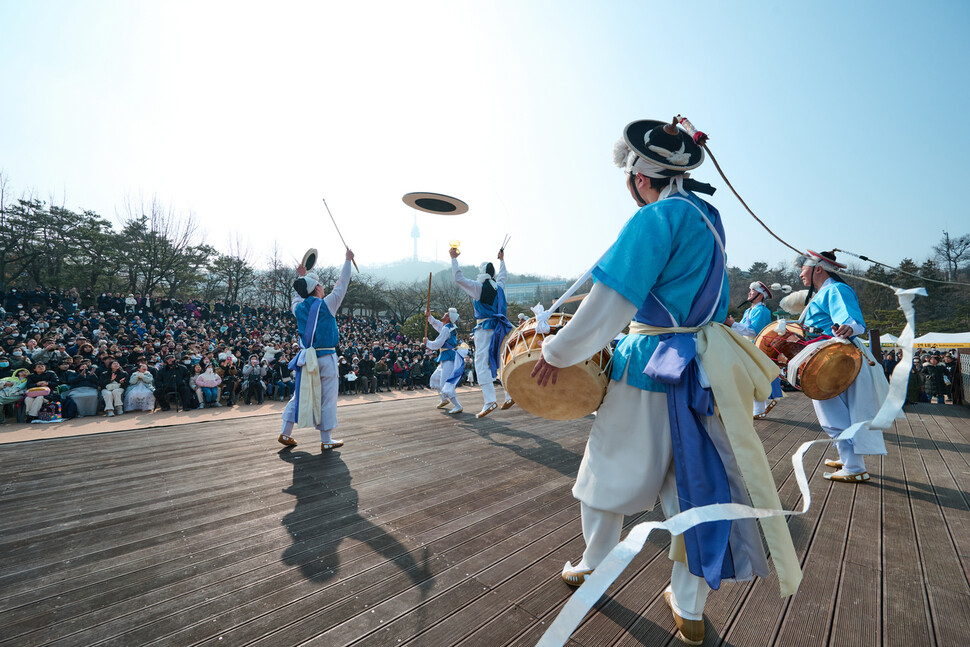
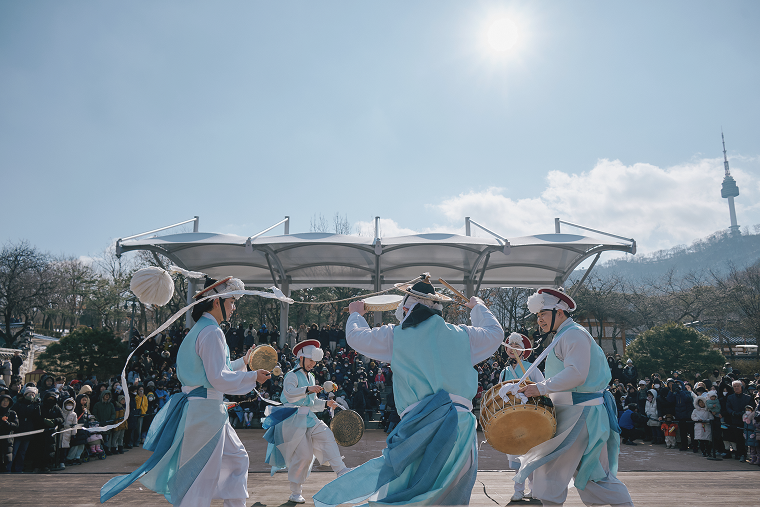
On Tuesday at 2 p.m., the courtyard becomes a stage for Kwanggaeto Samulnori, a dynamic percussion ensemble comprising four traditional Korean instruments. They will be joined by the energetic b-boy team MB Crew, adding a modern twist to the festivities.
On Wednesday at 2 p.m., a taekwondo demonstration team will showcase martial arts techniques with precision and theatrical flair.
Throughout the three days, from 10 a.m. to 5 p.m., visitors can take part in hands-on workshops, including mother-of-pearl key rings, soap making, rice cake making and traditional metal craft magnets. Though some workshops charge a fee, free DIY activities include making a “lucky pollock” charm and crafting small pouches.
Outside, families can try fortune telling, based on the traditional board game "yut," as well as hoop rolling, a nostalgic street game from earlier generations.
Food is also a large part of the festivities: pizza will be offered at noon on Monday, while bowls of tteokguk, rice-cake soup eaten for good luck and longevity, will be shared on a first-come, first-served basis at 11 a.m. and 3 p.m. on Tuesday.
All performances and activities are open to the public without prior reservation.
A short walk from Anguk Station on Subway Line No. 3, and once the residence of King Gojong’s father, Unhyeongung Palace will also become a playground of traditional pastimes during Seollal.
From 11 a.m. to 5 p.m., visitors can enjoy yutnori, tuho (arrow tossing), archery, ttakji (card flip game) and jegi chagi (shuttlecock kicking). The latter two gained global recognition through "Squid Game," which adapted the playground pastimes into high-stakes challenges.
Running until 4 p.m., craft workshops on offer include printing talismans to ward off bad luck, making mini mother-of-pearl folding screens, creating red-horse key rings, knot key rings, clay pollock doorbells and designing lucky pouches and paper lanterns.
On Tuesday, traditional arts group Artmaker in Pungnyu performs at 11 a.m., followed at 3 p.m. by Daon, a band that blends classical Korean instruments with contemporary melodies. At noon, there will be a communal sharing of tteokguk.
At the National Gugak Center’s front yard in Seocho-gu, Seoul, a pop-up festival invites families to rediscover fading folk traditions. Guests can try classic village games Tuesday from 1 p.m. to 5 p.m., alongside craft activities such as making clay dumplings and sewing lucky pouches.
Seollal celebrations will also take place at Ttukseom Hangang Park’s Hangang Play Place, which will host a program focused on hands-on traditional games from Saturday to Wednesday (the venue will be closed on Feb. 17, the day of Seollal).
Ten different traditional game zones will operate continuously during the event, allowing visitors to drop in and participate freely. Activities include large-scale yutnori, neolttwigi (seesaw jumping) and tuho, as well as experiences such as archery and traditional cloth pounding (dadeumi).
A jegi chagi competition will be held on Sunday from 3 p.m. to 5 p.m., with small prizes awarded to top participants.
For exact performance times and any weather-related changes, visitors are encouraged to check each venue’s official website and Instagram channel before going.
hwangdh@heraldcorp.com