National Gugak Center's 'Chunhyang and Hyangdan's Tale' runs Nov. 14-16
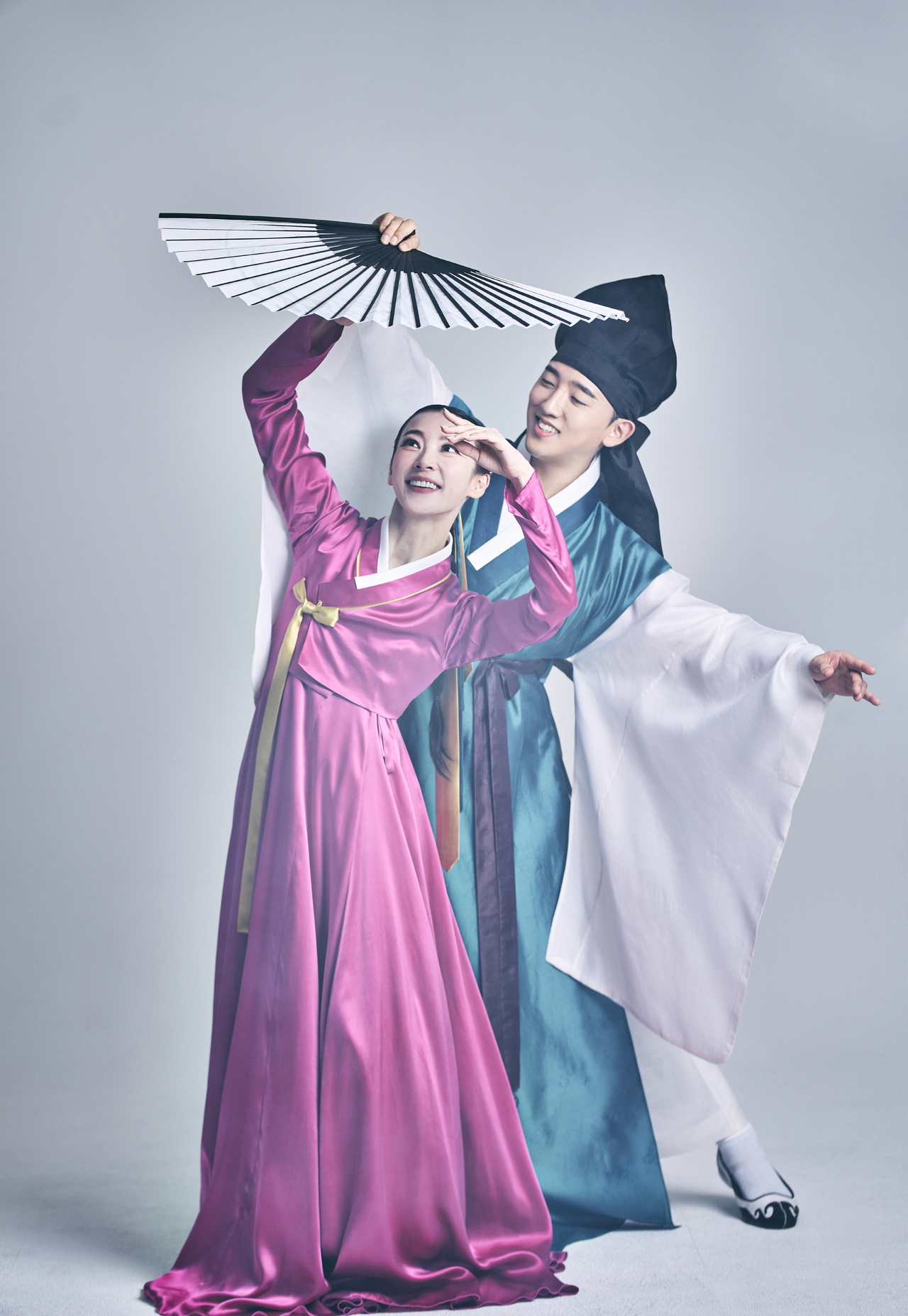
The story of Chun-hyang, Korea’s best-known romance folk tale, follows the love between Yi Mong-ryong, the son of an aristocrat, and Seong Chun-hyang, the daughter of a retired courtesan. The star-crossed lovers’ tale has long been celebrated as a parable of fidelity and defiance against rigid class boundaries.
The National Gugak Center will stage “Chunhyang and Hyangdan’s Tale,” a new dance drama that reinterprets this beloved story from a different perspective, from Nov. 14 to 16.
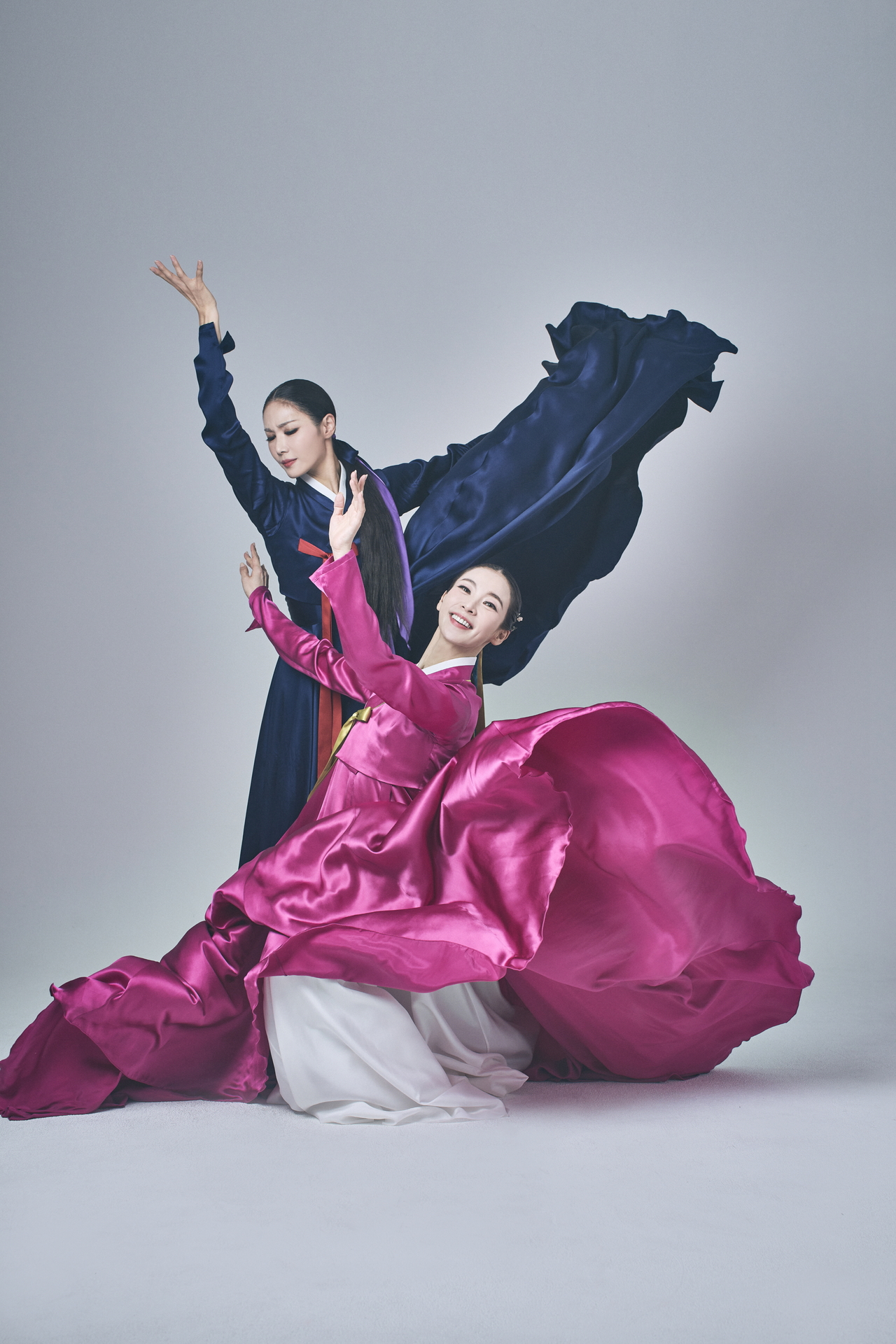
The adaptation turns the spotlight on Hyang-dan, Chunhyang’s maid, who has remained a bystander in the traditional narrative. Here, Hyang-dan emerges as a complex, passionate woman torn between love, jealousy and desire.
“We wanted to explore the pain of love through the story of Hyang-dan, a woman who is never loved in return,” said Kim Chung-han, artistic director of the National Gugak Center Dance Company, during a group interview last week.
When Mong-ryong mistakenly kisses Hyang-dan, she falls in love and becomes obsessed with an impossible love that spirals into madness. The contrast between Mong-ryong’s steadfast devotion to Chun-hyang and Hyang-dan’s distorted longing heightens the story’s emotional tension, Kim explained.
While Hyangdan takes center stage in this production, the original theme of love between Chun-hyang and Mong-ryong remains. Kim said he resisted the temptation to alter their characters too drastically, deciding instead to preserve the integrity of the original tale.
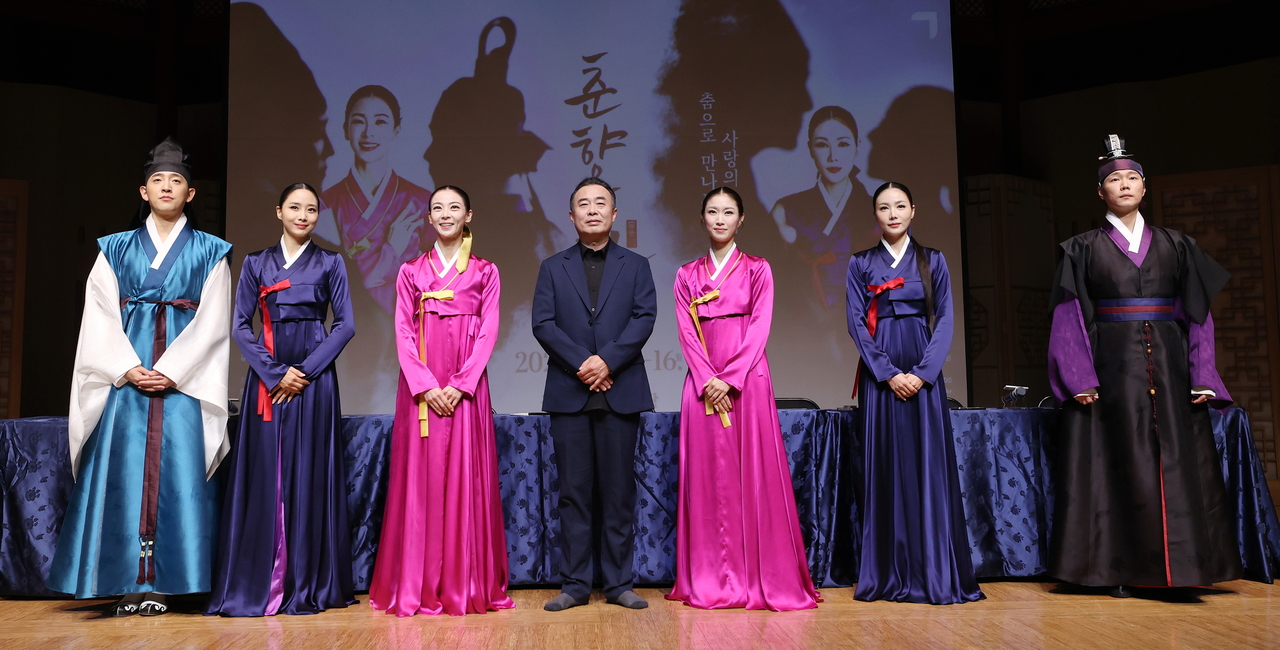
“Rather than transforming the story too much, I wanted to reinterpret it subtly just enough to give it a fresh resonance.”
One of the highlights, Kim said, is a large ensemble dance inspired by ganggangsullae, a traditional Korean circle dance symbolizing unity and energy. The scene expresses the swirling, consuming emotions of love among the four central characters -- Hyang-dan, Chun-hyang, Mong-ryong and Hak-do.
Hak-do, the newly appointed magistrate, is the villain of the story: he abuses his power and tries to force Chunhyang to become his concubine.
The performance also promises an array of traditional Korean dances including Hansamchum (sleeve dance), Bukchum (drum dance), Geommu (sword dance) and Gisaengchum (courtesan dance).
hwangdh@heraldcorp.com