Authorities will use critical emergency alerts that cannot be disabled, though some older 3G phones and switched-off devices may escape detection
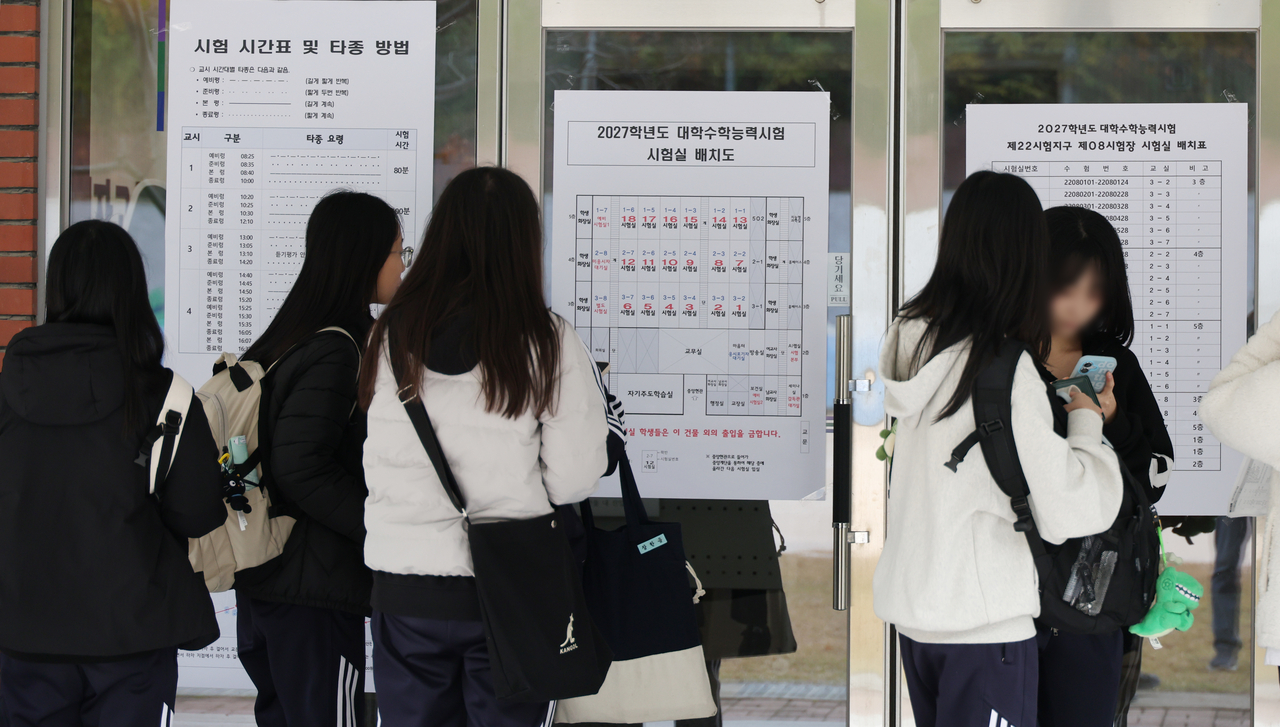
A phone-detection trick straight out of Netflix’s hit drama "Teach You a Lesson" is making its way to Thursday’s Suneung exam, with emergency alerts set to expose students hiding their phones.
Prime Minister Han Seong-sook announced Tuesday that the government would use its disaster alert system to detect unsurrendered mobile phones before the exam begins. Additional supervisors will be deployed in hallways to help identify hidden devices.
The measure comes as South Korea scrambles to prevent AI-assisted cheating on what is arguably the country's most consequential exam, following a scandal involving the top scorer in this year's tax accountant qualification exam.
He admitted to using a miniature camera, smartphone and monitor to obtain AI-generated answers during the test. Online allegations of AI-assisted cheating have also spread to other exams, from the bar to dental school and customs officer tests.
For Thursday's Suneung, the government will use "critical emergency alerts," the highest level of the three types of alerts issued through South Korea's mobile disaster warning system. The alerts, which cannot be disabled, are designed to sound on all compatible phones that are switched on.
This marks the first time the system, introduced nationwide in 2005 primarily to warn the public of natural disasters and other emergencies, will be used to detect concealed phones during an examination.
The alerts will be sent between 8:25 a.m. and 8:30 a.m., shortly before the first exam session begins at 8:40 a.m. By then, students will have entered their classrooms and supervisors will have collected their electronic devices.
The idea was inspired by a scene in episode 4 of Netflix’s hit drama "Teach You a Lesson," starring Kim Moo-yul and Jin Ki-joo, set at the fictional Soyeon Girls' High School, where students secretly use their phones for social media activities and even bully their homeroom teacher.

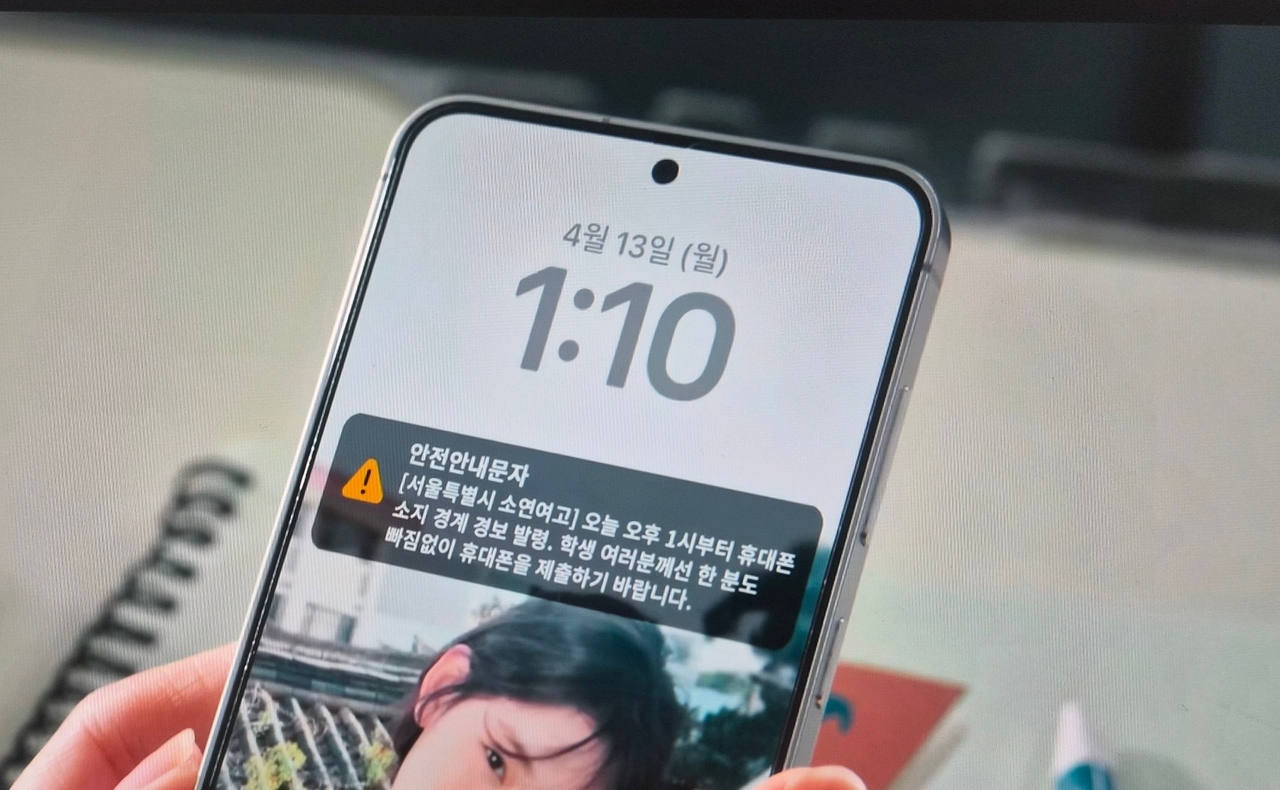
In response, officials from the Teachers' Rights Protection Agency send out critical emergency alerts before classes begin, exposing hidden phones that students failed to hand in and allowing authorities to confiscate them.
However, the plan has technical limitations, as some older devices, including certain 3G phones, may not receive critical emergency alerts.
"Phones that are switched off during the alert and turned on later could also escape detection," said Kim Kwang-yong, head of disaster and safety management at the Ministry of the Interior and Safety.
"We plan to address these loopholes through additional on-site inspections by dedicated personnel and subsequent checks of communication records."
An additional 8,400 personnel, including 6,600 hallway supervisors and 1,800 staff members tasked with detecting smart devices, will be deployed across 1,312 testing centers nationwide, joining the existing 75,000 supervisors. They will check for alarms or vibrations from bags placed in hallways, inspect smart glasses and detect unusual communication signals inside testing centers, officials said.
cjh@heraldcorp.com