Forum highlights S. Korea's potential to broaden scope of ties with Middle East
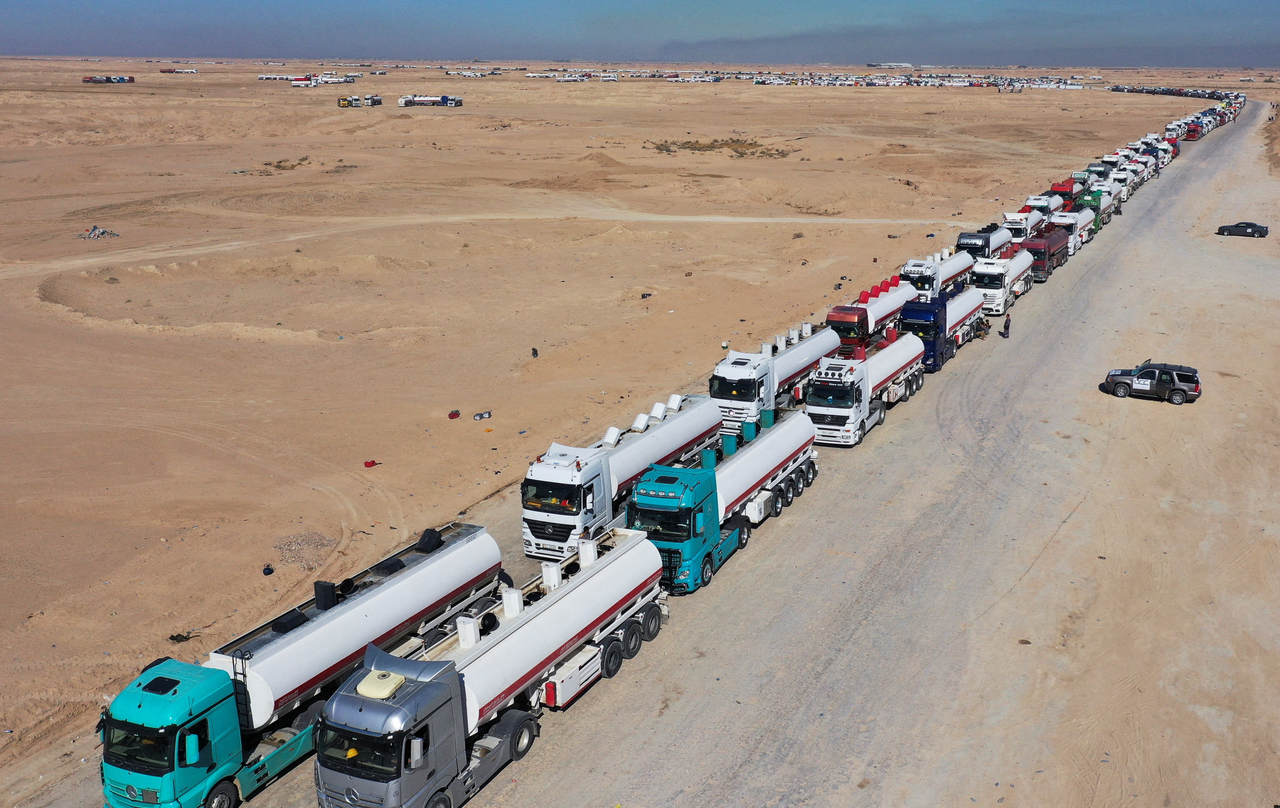
Ongoing instability in the Middle East could create opportunities for South Korea to deepen strategic cooperation with the region, expanding ties beyond their traditional focus on energy imports and construction projects, officials and experts said Tuesday.
Government officials and experts from South Korea and Arab countries emphasized Seoul's potential to play a greater role in addressing regional challenges while strengthening cooperation in emerging industries, defense and security at the 22nd Korea-Middle East Cooperation Forum held in Seoul.
"While energy remains at the heart of our partnership, our cooperation is expanding into new areas, including artificial intelligence, semiconductors, smart city infrastructure and the defense industry," said Zakariya Al Saadi, Oman's ambassador to South Korea and president of the Korea-Arab Society.
The annual forum, co-hosted by the Korea-Arab Society and the Jeju Peace Institute, brought together policymakers, experts and business representatives to explore ways to strengthen cooperation amid a changing geopolitical landscape.
Lee Kyung-chul, special representative for Middle East peace at South Korea's Foreign Ministry, said the region's security challenges could also provide an opportunity to deepen mutual trust and expand bilateral cooperation.
"This year, we have been witnessing armed conflicts and the escalation of tensions in many parts of the region, with far-reaching ramifications," Lee said.
He stressed that stability and prosperity in the Middle East are closely linked to South Korea's economic security, particularly given the country's heavy reliance on energy imports from the region.
"A silver lining to the cloud is that even such adversity in the region can serve to deepen our sense of trust and broaden the avenues for cooperation," he said.
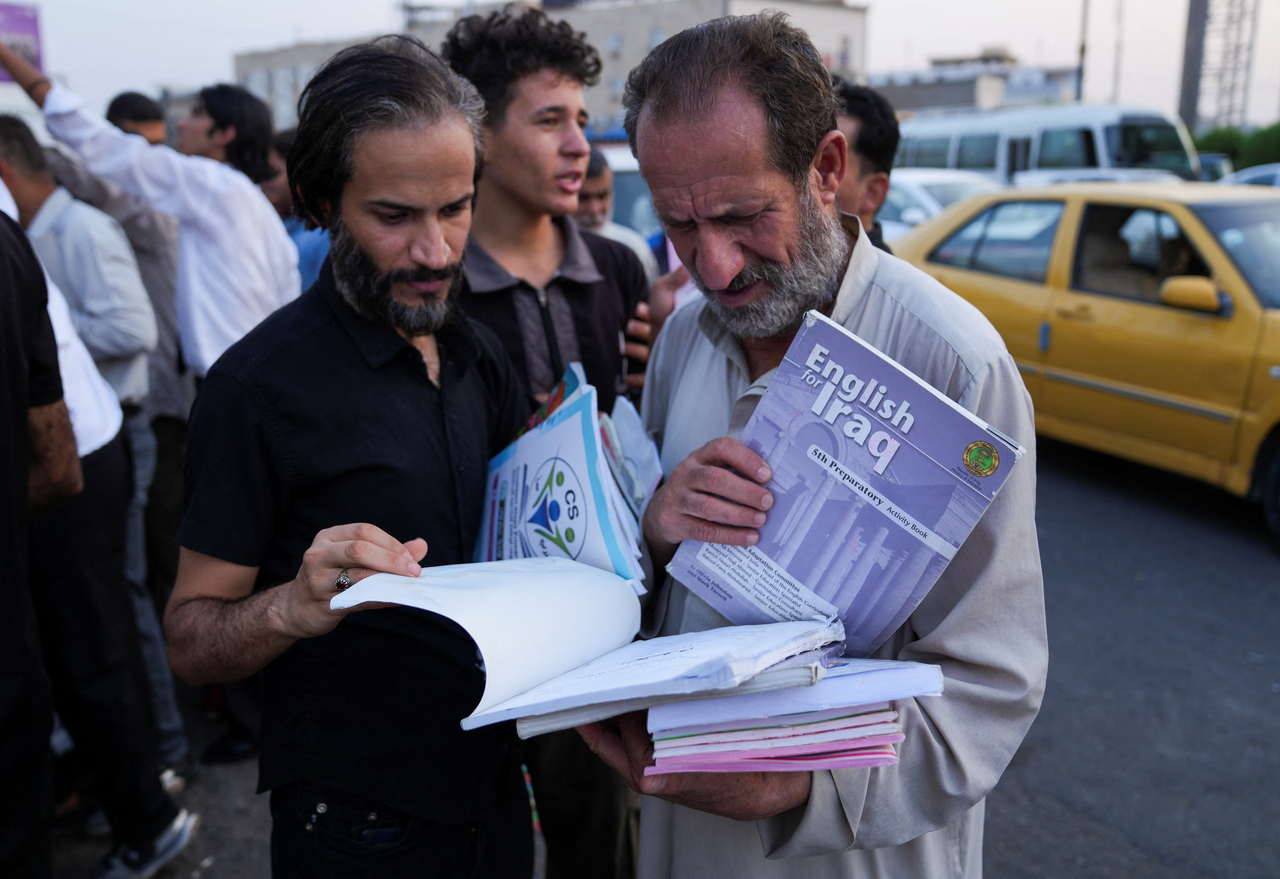
Farhad Alaaldin, chairman of the Iraq Advisory Council and foreign affairs adviser to Iraq's prime minister, said South Korea's experience in industrial development, technological infrastructure and education aligns closely with the economic transformation ambitions of Middle Eastern countries.
"Traditionally, our relationships have been built around energy, construction and trade," Alaaldin said.
"These remain important foundations, but the transformation taking place in the Middle East creates opportunities for a much broader partnership."
He also highlighted the growing convergence of interests between South Korea, which has a direct stake in Middle Eastern stability, and countries in the region increasingly looking to Asia for investment, technology and economic cooperation.
"This creates a natural convergence of interests," Alaaldin said.
Ma Young-sam, South Korea's first representative to Palestine and a former secretary-general of the Korea-Arab Society, argued that Seoul should move beyond its traditional diplomatic comfort zone and take a more active role in promoting regional peace and security.
"South Korea's diplomacy toward the Middle East has traditionally focused on economic areas such as crude oil imports, construction and trade," Ma said.
"However, there are growing calls from the international community for us to contribute to peacebuilding efforts in the Middle East."
Ma said South Korea's growing international standing should be accompanied by a greater willingness to contribute to regional peace and prosperity, pointing to diplomatic initiatives by former Japanese leaders, including the late Shinzo Abe, who engaged with both Israel and Palestine.
He suggested that Seoul could play a more constructive role in supporting regional peace, security and freedom of navigation, in line with President Lee Jae Myung's emphasis on "pragmatic diplomacy."
Such engagement, he argued, would mark a shift from a relationship largely centered on economic benefits toward one based on broader strategic contributions and shared responsibilities.
"Until now, our focus in our relationship with the Middle East has been on what we can gain," Ma said.
"Moving forward, we should shift our focus toward what we can contribute."
consnow@heraldcorp.com