If you’re sending part of your paycheck home or mailing a package to family abroad, a few details can save you a trip back to the bank or post office.
For a money transfer, find out what documents you’ll need and how much the recipient will get. For a parcel, check what the carrier accepts and what the destination country allows in.
Sending money overseas
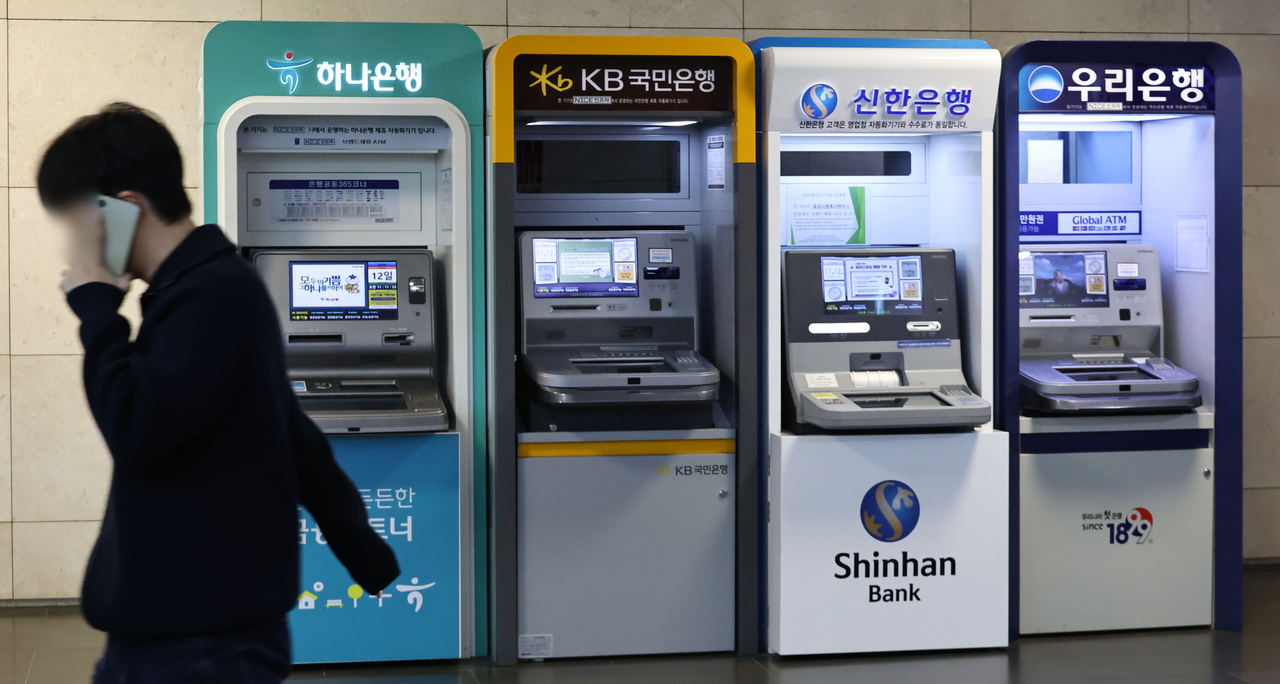
You can send money abroad through a bank branch, a bank’s mobile app or a registered remittance provider. Before choosing a service, check whether it is available to foreign nationals and whether it sends money to your destination. Compare the exchange rate, fees and the amount the recipient will receive.
For smaller transfers, registered remittance providers are an option. The Financial Supervisory Service lists providers on its Financial Consumer Information Portal, known as FINE, which is available in Korean.
If you’re sending wages earned in Korea, ask your bank whether you need to designate it as your foreign exchange transaction bank and what documents are required. Keep your passport handy. A payslip or other evidence showing where the money came from may also be required.
Woori Bank, for example, says foreign residents and nonresidents who do not have documents showing how they acquired the funds can remit up to $50,000 a year after designating a foreign exchange transaction bank and presenting a passport. Those who provide supporting documents can remit an amount they can substantiate.
A separate limit may apply to each transaction. Woori Bank’s online limit table lists a $10,000 per-transfer cap for foreign nationals and nonresidents sending income earned in Korea. Check with your provider to see which limits apply to your transfer.
Mailing a package overseas
Before packing a parcel, check both the carrier’s rules and the destination country’s import restrictions.
An item may be restricted because it poses a risk in transit or because the destination country limits what can be brought in.
Korea Post lists lithium cells and batteries, flammable cosmetics such as perfume, and aerosols such as spray cans among the items restricted in air mail.
If you’re sending a device with a built-in battery, ask the carrier whether it accepts the device on your chosen service.
Korea Post’s international Express Mail Service does not accept perishable food. For other food items, check the destination country’s import and quarantine rules.
If you’re mailing medicine, check whether it can be sent by post and whether there are quantity limits or prescription requirements.
When filling out the customs declaration, list what is inside, how many of each item you’re sending and what they are worth.
A description such as “two cotton shirts” gives customs officials more information than “gift.” If you’re sending goods for commercial purposes, check whether a commercial invoice or other paperwork is required.
Depending on the destination and the contents of the parcel, the recipient may have to pay duties or taxes. Declare the actual value of the items to avoid customs delays.