3-term lawmaker set to propose coverage for babies born out of wedlock as they await Korean citizenship
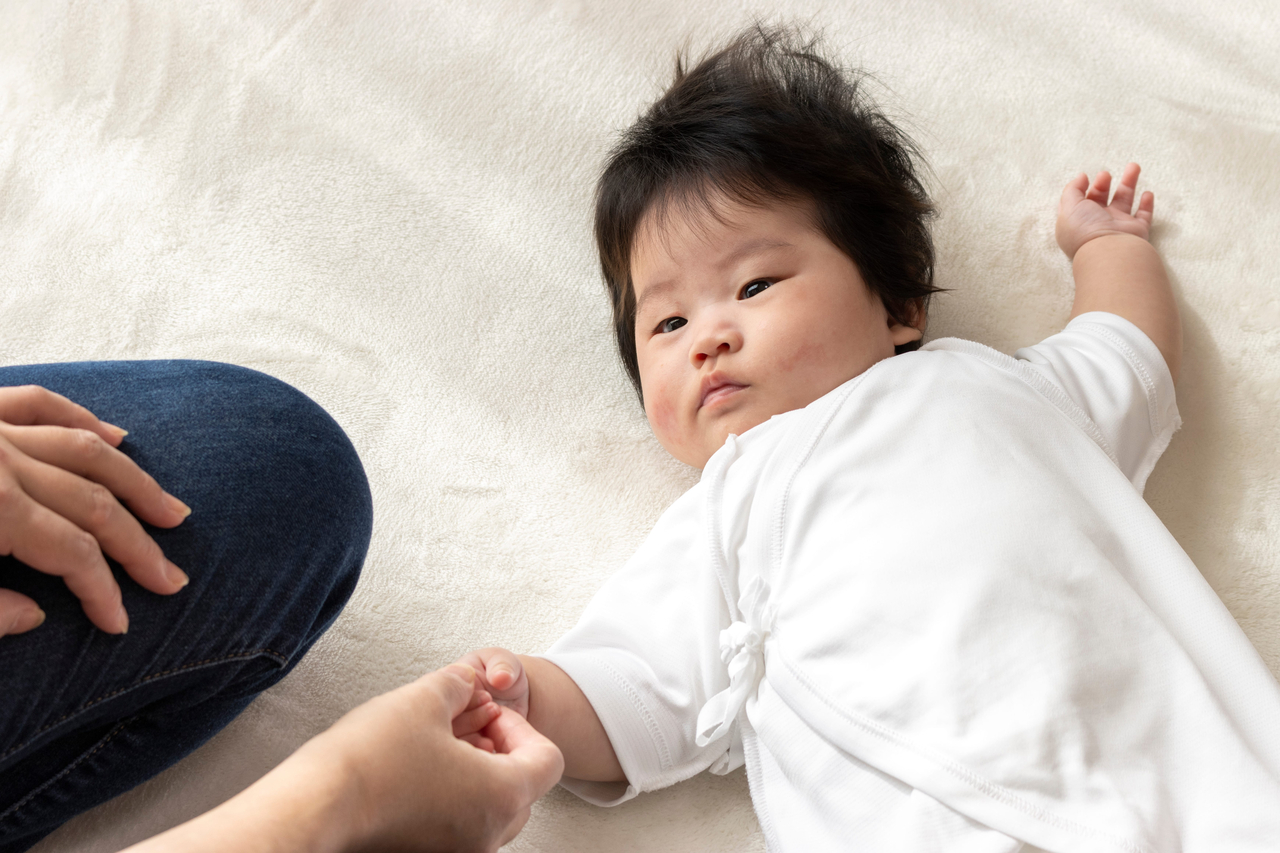
A child is born in South Korea out of wedlock to a foreign mother and an estranged Korean father. The child's carer and provider is his mother, who bears 1.5 million won ($1,120) in child-rearing costs each month, which would typically be at least partially subsidized with government support.
This is the story of a single mother from Thailand, who gave birth to a son earlier this year with the help of the Seoul-based Aeranwon shelter for single mothers.
The anonymous Thai mother is one among many parents of foreign nationality here on the difficult and time-consuming path to prove to a court that their child has a blood relationship with a South Korean parent and qualifies for citizenship here.
"As children wait for their nationality status to be confirmed, they continue to grow, require daily care and sometimes experience illness," Jegal Eun-seo, who leads the Daegu Migrant Women Center, said during a parliamentary forum on Thursday.
Various welfare safety nets are provided universally for South Korean children, such as subsidized daycare centers, state-backed preventive injections, health checkups and universal health insurance coverage.
These benefits, however, are often out of reach for a child until citizenship is granted through court and administrative procedures that can stretch for even years longer after Korean parentage has finally been established, adding to the financial burdens on foreign mothers.
"Medical care for children must be made available the moment it is needed," Jegal said, "not only after their nationality was officially granted."
Children born out of wedlock to a non-Korean mother here are often marginalized despite their blood relationship with a Korean father, particularly if the father fails to immediately acknowledge that the child is his to avoid providing support.

Under the Act on Private International Law, a child born out of wedlock to a foreign mother follows the mother's nationality and is considered a foreign national.
Even registering the baby as a foreign national to be eligible for state provisions for foreigners could be a more daunting task if the mother's visa status has been complicated or invalidated by the cessation of the relationship with the Korean father.
In order for the child of a foreign mother to obtain South Korean citizenship belatedly after birth, an acknowledgement of parentage is needed from a Korean parent under the Nationality Act, which often involves court hearings and DNA tests, followed by the parent's registration of Korean nationality with the Justice Ministry. The mother may also be able to begin receiving child support from the father after parentage acknowledgement, including retroactive payments.
South Korea implemented its birth notification system to ensure no child is left unregistered in July 2024, but the rule does not apply to foreigners. In August, this double standard was found to be unconstitutional, but a legislative solution has yet to materialize.
Thursday's forum presented a case of a Mongolian mother who ended up shouldering daycare costs of roughly 700,000 won per month for her child until that child was finally granted citizenship, while the Korean father was behind bars and court procedures were delayed.
A Filipina mother, on the other hand, learned that the Korean biological father of her child died after the child's birth, forcing her to bear the full costs of the child's pneumonia treatment without national health insurance coverage while waiting for that child to get South Korean citizenship following a DNA test with a half sibling.
Similarly, another baby was deemed not to qualify for medical checkups that are mandatory for Korean babies while the Vietnamese mother was stuck navigating court procedures to prove Korean parentage as a G-1-3 special-purpose visa holder.
"Essential childcare and support should never be delayed or restricted simply because a child lacks formal nationality or a resident registration number," Jegal said.
According to lawyer Jeon Min-kyeong of Onyul, a company dedicated to social activities under the law firm Yulchon, foreign mothers in such a situation often struggle to make ends meet while raising their child alone, due to restrictions on visa status and employment opportunities.
"These challenges, in turn, restrict resources available (for the mother) to cover the expenses for her child's daycare and medical services," Jeon said.
Children cannot choose parents
From 2021 to 2025, an average 567 children per year were recognized as South Korean nationals upon the acknowledgement of a Korean biological parent.
According to Justice Ministry data obtained by Rep. Kwon Chil-seung, policy chief of the ruling Democratic Party of Korea, in 2025 there were 611 children who were awarded South Korean citizenship via such parental acknowledgement, among whom some 75 percent were 9 years old or younger.
Data showed that last year the process for parental acknowledgement could take as long as 357 days. According to the Justice Ministry, such court procedures take slightly more than a month on average. After parentage is acknowledged, further court and administrative procedures to establish the child's South Korean citizenship and eligibility for benefits could take years longer.
"Children cannot choose their parents and what their parents are going through. If the children's citizenship processing is delayed, it's not their fault. But it is the children who bear the brunt of the disadvantages," Kwon told The Korea Herald in a written interview.
In this vein, the three-term lawmaker who hosted Thursday's forum said he was planning to introduce a revision to the National Health Insurance Act later this week aimed at reducing the wait time for insurance coverage of children born to a foreign mother.
Once the child's biological Korean parent completes parentage acknowledgement, the bill will allow the child to be eligible for universal national health insurance coverage while the administrative process for the children's nationality remains in the works.
His bill proposal "will certainly be a step toward a more inclusive society," Kwon said. The lawmaker added he is also reviewing revisions to the Immigration Act and the Child Care Act to address remaining blind spots, such as the gap in coverage between the child's birth and parentage acknowledgement.
"These children will grow up to be our fellow citizens," said Kwon, who represents the Hwaseong-C constituency in Gyeonggi Province. "The idea of ensuring their health will be beneficial to our entire society."
consnow@heraldcorp.com