A lawmaker on Tuesday called for continued oversight of all countries that send workers to Korea to ensure foreign nationals are not unfairly penalized by their native countries while working in Korea.
The move follows Uzbekistan and Bangladesh pledging to end practices that financially penalized their nationals for changing jobs without home-country approval.
During a parliamentary audit of the Ministry of Employment and Labor, Rep. Shin Jeong-hoon of the Democratic Party of Korea urged the government to conduct a comprehensive review and establish a permanent monitoring system. He said financial penalties that restrict workers’ ability to change jobs could constitute a means of human trafficking.
According to Shin, Uzbekistan had imposed a monthly penalty of $2,000 on E-9 visa holders who changed jobs without approval from their home country. The penalty also applied to workers who overstayed their visas or left their workplaces without authorization.
Bangladesh, meanwhile, required E-9 workers to pay a deposit before coming to Korea and withheld some or all of it in certain cases, including when they changed workplaces.
In August, the Ministry of Gender Equality and Family asked the labor ministry to help examine whether such practices could constitute human trafficking, noting that penalties and deposits could severely restrict workers’ ability to change jobs.
Under Korea’s Employment Permit System, E-9 visa holders may change workplaces up to three times during their initial three-year employment period and twice more during a possible one-year-and-10-month extension.
At the labor ministry’s request, Uzbekistan removed provisions requiring workers to obtain prior approval before changing workplaces and imposing penalties for violations in September. Bangladesh has also begun returning workers’ deposits. Shin said, however, that the government must verify whether the changes have been implemented in practice and will be sustained.
“Efforts should not end with these two countries,” Shin said. “We need to check whether other labor-sending countries impose similar financial penalties on workers who change jobs.”
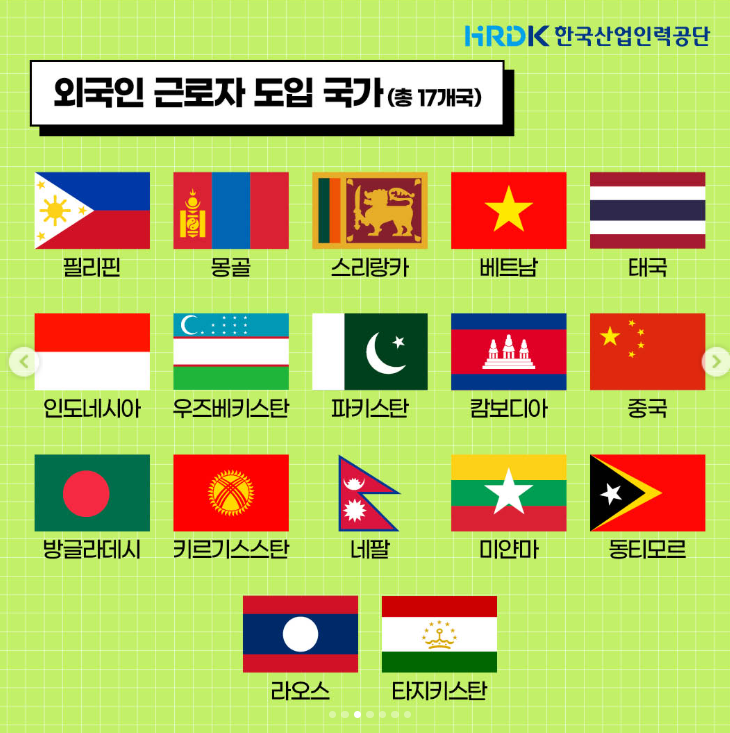
Korea’s Employment Permit System recruits nonprofessional foreign workers from 17 countries, including Uzbekistan and Bangladesh, to address labor shortages in manufacturing, agriculture, construction and other eligible sectors.
Shin also criticized the Human Resources Development Service of Korea, the agency responsible for bringing foreign workers to Korea. The agency had issued employment history certificates requested by the Bangladeshi government to reimburse deposits paid by its nationals working in Korea.
The agency told Shin it had not recognized the potential connection between the practice and human trafficking. It said it stopped issuing certificates for deposit refunds in April.
Citing the agency’s revenue of more than 100 billion won ($75,000) over five years from its foreign employment management programs, Shin called for stronger government oversight to protect foreign workers’ rights.
forestjs@heraldcorp.com