New projects back rookie brands, scale leaders, expand into haircare and open Europe
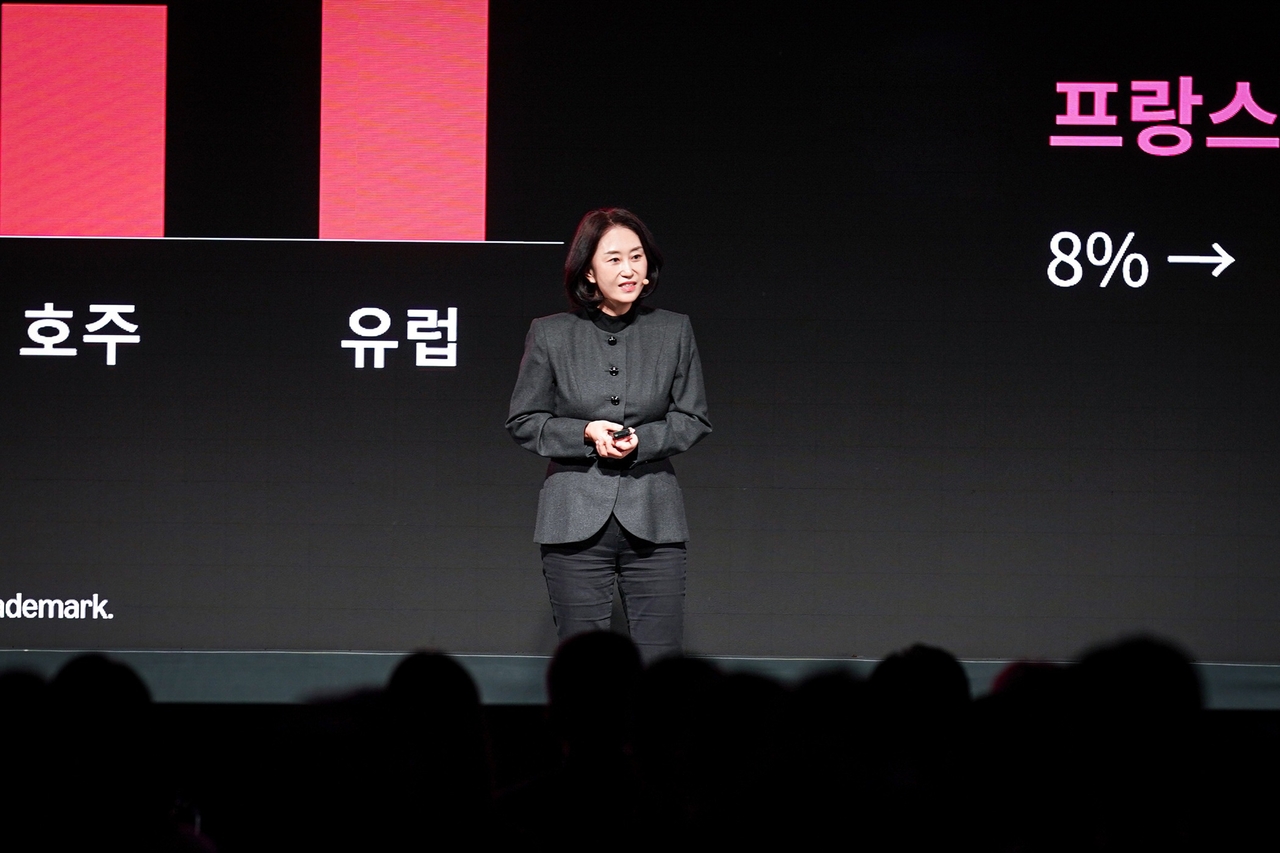
Amazon has become the front door for Korean beauty companies in the US, and the e-commerce giant now plans to welcome more and open new rooms for those already inside.
Amazon Global Selling Korea, the local arm of Amazon’s cross-border selling business, unveiled new initiatives Tuesday at Amazon Beauty in Seoul 2026 to build on Korean beauty’s presence in the US.
"Amazon Global Selling Korea will carry out four core projects in 2027 with K-beauty sellers to secure leadership in the global market and strengthen the industry’s sustainability," Hannah Shin, the unit’s chief executive, announced in her keynote.
The four-pillar plan — Project Million, Project Titan, Project Silk Road and Project Autobahn — covers each stage of a Korean brand’s growth.
Project Million will guide new sellers through their first year, with a goal of 50 brands each clearing $1 million in US sales in 2027. Project Titan pairs Amazon with seven leading brands to build an end-to-end operating model that other Korean sellers can later adopt.
Project Silk Road carries skincare’s winning formula into haircare and wellness, with 50 new sellers and 200 new products slated for 2027. Project Autobahn eases entry into Europe, where tax and certification hurdles have long slowed Korean brands.
The plan arrives with K-beauty at a high-water mark in the US, where Amazon handles roughly 44 percent of all Korean beauty products sold. On Amazon’s US store, the category grows more than three times faster than beauty overall.
At this year’s Prime Day, APR’s Medicube became the top search term across Amazon’s US store, while newcomers including Eqqualberry and Celimax cracked the beauty top 20.
"Medicube opened the road, and countless K-beauty brands climbed alongside it," Shin said. Amazon’s edge lies in sustainability, she added, since it helps brands build full portfolios and win repeat customers.
To sustain the momentum, Amazon is retooling its fulfillment network. Sellers will soon track inventory from factory to warehouse in a single view, and an AI assistant already drafts shipping plans for US sellers and flags low stock before it costs a sale.
With all of Korean beauty’s gains, Amazon believes the category has far to run.
About a third of beauty customers on Amazon’s US store browse Korean products, yet only a fifth buy them, according to Amazon. Haircare holds the most promise, with Korean beauty claiming a mere 1 percent of the segment.
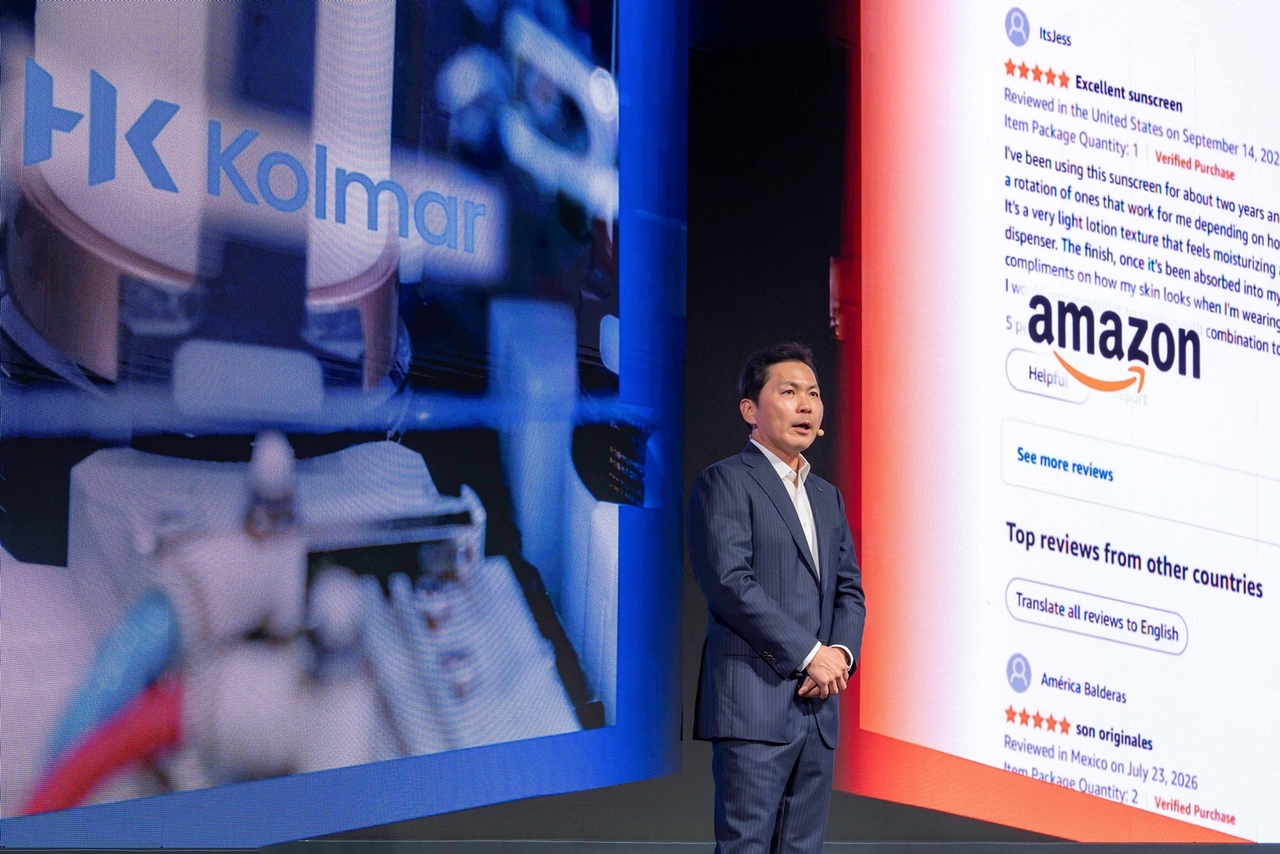
Kolmar Korea Vice Chairman Yoon Sang-hyun also expects the boom to last.
"The driving force of K-beauty’s growth is the constant birth of new brands," he explained in his opening remarks. "We need concentrated investment in the convergence of AI technology and healthcare."
Shin shares that confidence: "It is time to decide how to grow this market even bigger and expand our own share."
minmin@heraldcorp.com