Gyeonggi Province’s plan to abolish its dedicated Immigrant Society Bureau has alarmed experts and civic groups, who warn the move could set back migrant integration efforts as the number of residents with migrant backgrounds in the province approaches 1 million.
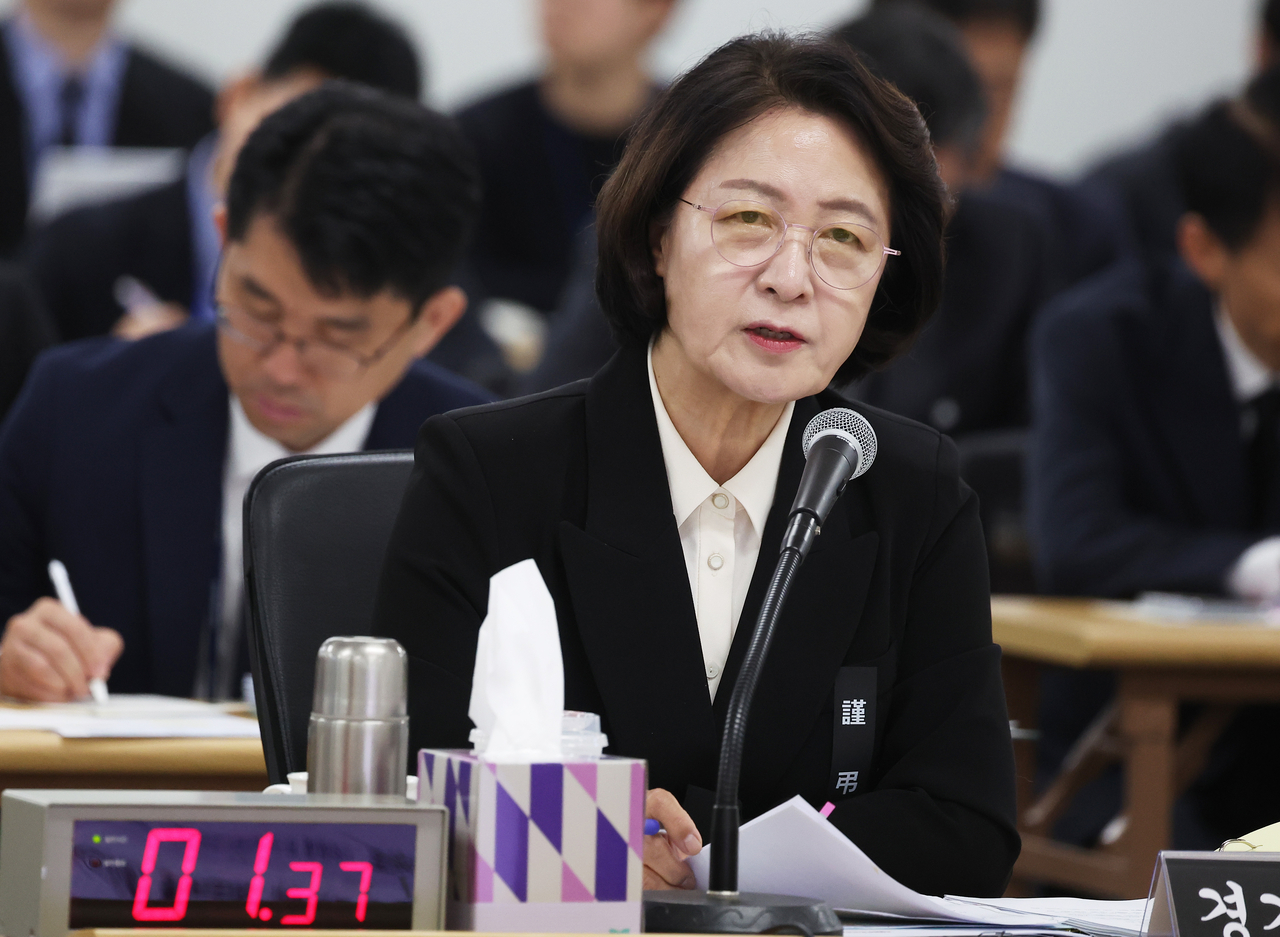
Under a restructuring plan announced Wednesday, Gyeonggi Province would eliminate five bureaus, including its Immigrant Society Bureau, amid Gov. Choo Mi-ae’s drive to cut spending.
Established in July 2024, the bureau was South Korea’s first local government bureau dedicated to supporting foreign residents and integrating immigrants. It has overseen policies for marriage migrants, foreign workers, international students and naturalized Korean citizens.
The bureau’s functions would be absorbed into a larger bureau overseeing gender equality and family policies, ending its status as a standalone body with a dedicated senior-level post for immigrant affairs. The changes would take effect Jan. 1, subject to approval by the Gyeonggi Provincial Council.
The plan would mark a sharp shift for Gyeonggi, which has South Korea’s largest foreign-resident population and has led efforts to promote migrant integration.
According to 2024 foreign-resident data from the Ministry of the Interior and Safety, Gyeonggi had 845,000 foreign residents, nearly twice Seoul’s 451,000. The category includes foreign nationals, naturalized Korean citizens and children born in Korea to foreign residents.
Foreign residents accounted for 6.1 percent of Gyeonggi’s population, the second-highest share after South Chungcheong Province.
Civic groups criticized the move as running counter to Korea’s efforts to attract migrants amid its prolonged demographic crisis.
“The Immigrant Society Bureau has recognized migrants as members of local communities and pioneered efforts to reform discriminatory administrative practices and build support infrastructure,” an official from Gyeonggi Migrant Equality Solidarity said.
“Such efforts should be expanded nationwide, but abolishing the bureau would be a step backward.”
Pioneering, but bumpy road
The bureau has pursued comprehensive migrant integration policies covering social inclusion, human rights, immigration affairs and administrative reform.
Its initiatives include improving migrant workers’ housing and working conditions, attracting skilled foreign talent and supporting international students. It has also expanded school enrollment assistance for foreign children, sought greater residency stability for them through the Ministry of Justice, and supported migrant women experiencing violence.
The bureau has faced challenges in evaluating policy outcomes and securing funding.
In the second supplementary budget submitted to the provincial council in September, its spending allocation was cut by 577 million won ($436,000), from 17.98 billion won to 17.4 billion won. The figure compares with approximately 18.5 billion won in the previous year’s final budget.
The abolition plan comes amid Choo’s spending cuts since she took office July 1. She has criticized the previous administration’s spending as excessive and declared a fiscal emergency on Aug. 5.
“The province is hiding behind excuses of financial difficulties, declining tax revenue and administrative efficiency,” the Gyeonggi branch of the Korean Confederation of Trade Unions said.
“Abolishing the dedicated migrant administration would once again leave the lives and rights of migrant workers in an administrative blind spot.”
Lingering concerns
Experts warned that the move could undermine the province’s longstanding efforts to integrate migrants into local communities.
Oh Kyung-seok, head of the Gyeonggi Immigrant Social Integration Support Center, said efforts to establish a dedicated body for immigration policy had continued for more than a decade under both conservative and liberal governors, including President Lee Jae Myung, who served as governor from 2018 to 2021.
“The move is an organizational restructuring that would undo years of achievements built through cooperation among the administration, provincial council, civic groups and academia,” Oh told The Korea Herald.
“It would inevitably lead to disruptions in immigration and multicultural administration, weakened cooperation with the central government and other local authorities, and the scaling back or elimination of existing programs.”
Kim Kyung-hwan, a public administration professor at Ajou University, also expressed concern, while noting that it remains to be seen whether the province can effectively meet the diverse needs of its foreign residents.
“If immigration policy operates within the framework of gender equality and family affairs, the needs of migrant groups outside those categories could be given lower priority,” Kim said.
“Considering Gyeonggi’s role in setting an example for other local governments, the restructuring could send a signal that the independence and importance of immigration administration are weakening.”
forestjs@heraldcorp.com