Franklin Templeton sees SK hynix gaining edge from stronger shareholder returns
South Korea's two biggest chipmakers are losing a major source of buying support as their share repurchases wind down, putting the focus on whether strong earnings can bring other investors back into the stocks.
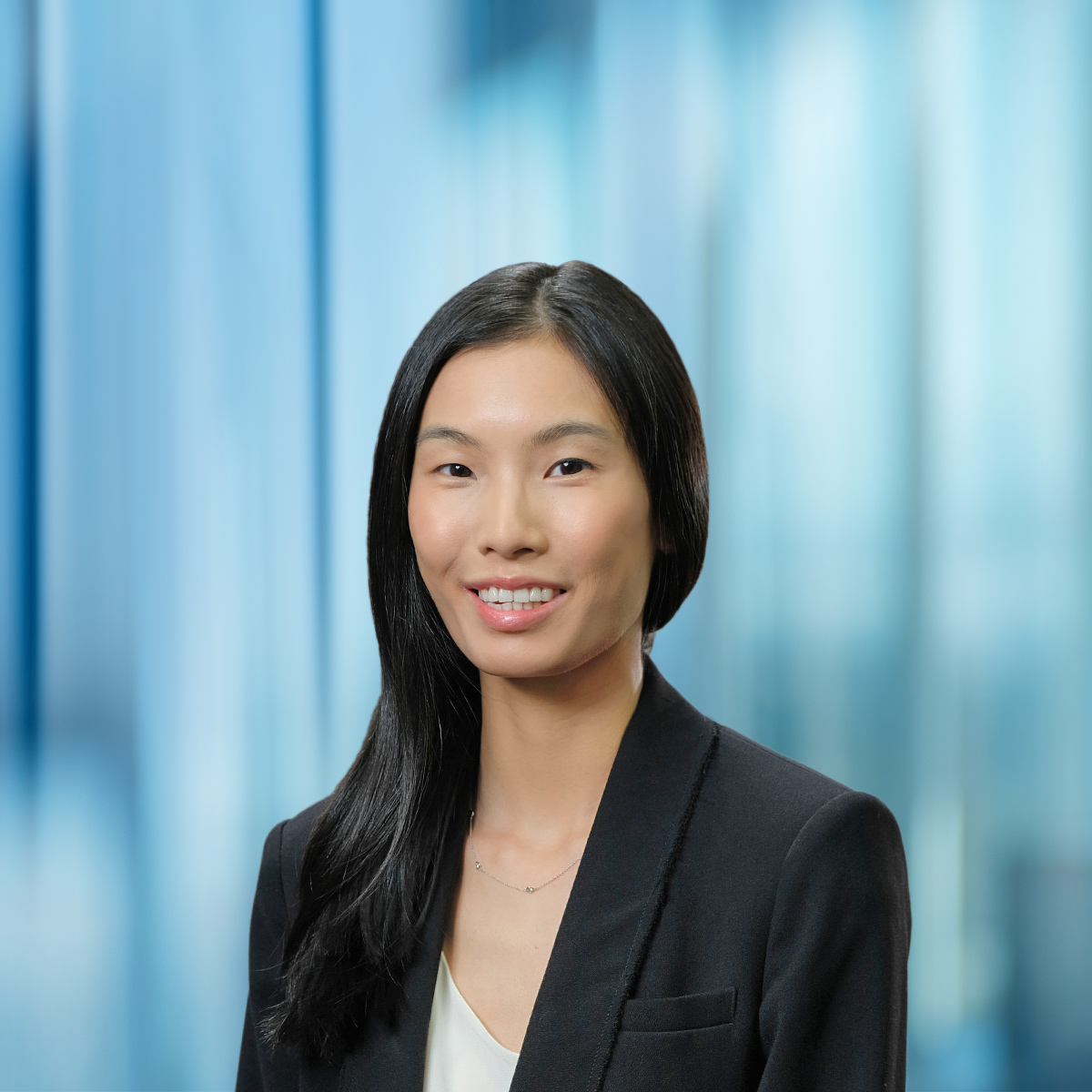
Franklin Templeton portfolio manager Yi Ping Liao said SK hynix's stronger commitment to returning cash gives it an edge as corporate buying fades.
"That does not mean the stocks have to fall, but from that point the market needs other investors to step in," said Liao, a vice president at Templeton Global Investments, in a written interview with The Korea Herald.
Samsung Electronics announced a 15 trillion won ($11.2 billion) repurchase in August for employee share compensation, while SK hynix launched a 40 trillion won program with plans to cancel all acquired shares. Cancellation permanently reduces shares outstanding, making SK hynix's commitment more meaningful to shareholders, Liao said.
Samsung's purchases ended Tuesday, according to local reports, while SK hynix's program is nearing completion.
The buybacks have provided significant market support. In September, foreigners sold a net 21.5 trillion won of Kospi shares and individuals 14.2 trillion won, while other corporations, a category that includes corporate buybacks, bought a net 31.4 trillion won, according to Korea Exchange figures.
As that buying fades, Samsung reported record preliminary third-quarter operating profit of 107.4 trillion won Thursday, up 782.5 percent on-year, on revenue of 195 trillion won. The surge puts the focus on whether earnings can attract fresh investors as buyback support disappears.
"The buybacks have clearly helped since they were announced in late August. Both stocks have outperformed the Kospi, and the buying has also helped absorb some of the unwinding in the two-times leveraged single-stock ETFs," Liao said.
Foreign institutions have more room to return after reducing exposure earlier this year as their chip holdings grew and portfolio risk increased, she said. But lighter positioning does not guarantee fresh purchases.
"Having room to buy is different from wanting to buy."
What matters now, Liao said, is whether earnings can be sustained, AI memory demand remains strong and valuations are attractive based on normalized rather than peak-cycle profits.
For SK hynix, that means defending its lead in high-bandwidth memory and maintaining investment discipline. Its shareholder policy has already strengthened Liao's view of the stock.
"In particular, the Hynix buyback and cancellation has made us more positive," she said.
SK hynix plans to return more than 50 percent of cumulative free cash flow for 2025-27, replacing its previous commitment to return within 50 percent. The change gives investors greater confidence that surplus cash will reach shareholders, Liao said.
Samsung's direction has also improved, but it still needs to demonstrate returns on investments such as its foundry business and clarify its next shareholder commitments. Thursday's record earnings guidance strengthens its profit story but does not resolve those longer-term capital allocation questions.
That distinction also matters when comparing the Korean chipmakers with Taiwan Semiconductor Manufacturing Co. Investors accept TSMC's heavy capital spending because of its record of generating attractive returns and its more predictable business, Liao said. Capital allocation carries greater weight for cyclical memory producers.
SK hynix is narrowing that confidence gap, while Samsung has more to prove as it allocates capital across businesses with different returns.
For both companies, however, the bigger test will come when the memory cycle weakens. Liao cautioned against assuming SK hynix could repeat a 40 trillion won buyback every cycle.
"It is relatively easy to return cash when memory earnings are exceptionally strong, but the real test is what management does after the cycle peaks."
jwc@heraldcorp.com