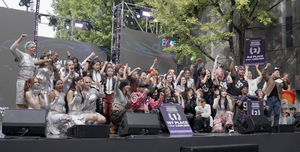
Once a simple expression of fandom, K-pop cover dance has grown into global scene where dancers study, reinterpret, make choreography their own
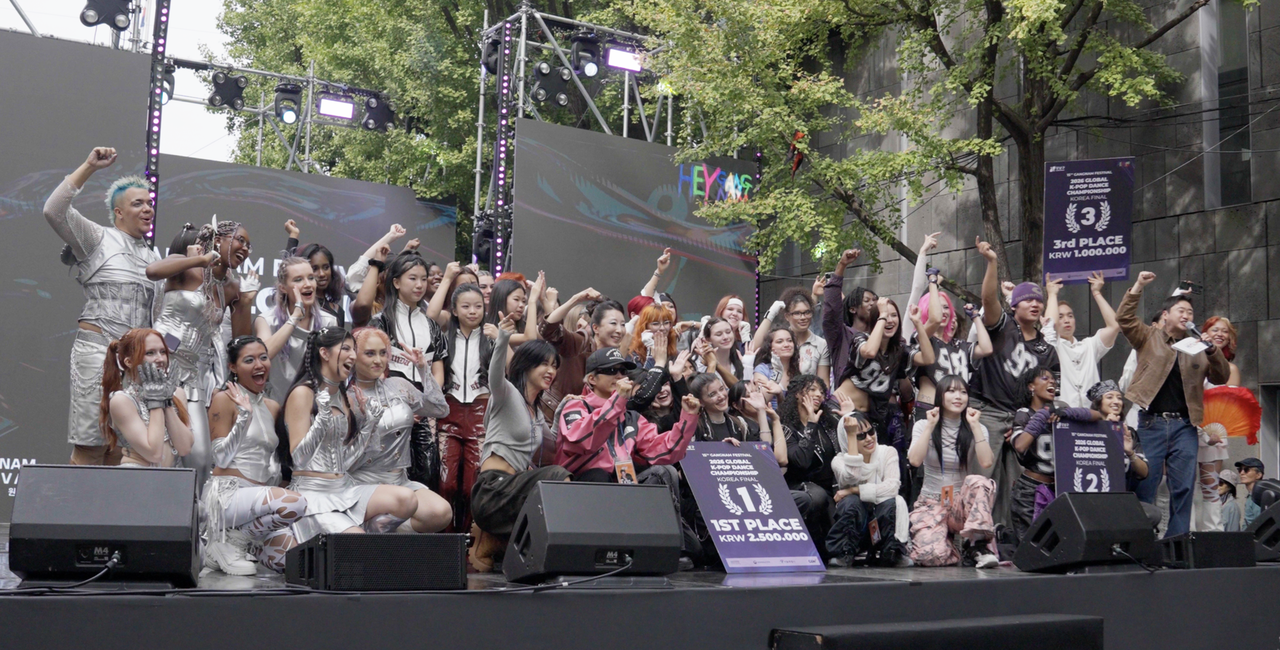
Nine K-pop cover dance teams from across the United States gathered in Gangnam, southern Seoul, on Oct. 3, competing for prize money and a chance to perform alongside the K-pop artists they had spent years watching from afar.
The competition was part of the Gangnam Festival's Global K-Pop Cover Dance Championship.
The dancers came from varied backgrounds. Some had years of dance experience before finding K-pop; for others, K-pop was how they got introduced to dance. Several had been performing covers for more than a decade.
That mix is familiar to Katie Brizuela of Chicago-based Prism Kru.
"We each have our own journey, and why we dance, and why we do what we do," she said, adding that despite their varied backgrounds, "we all come together as one."
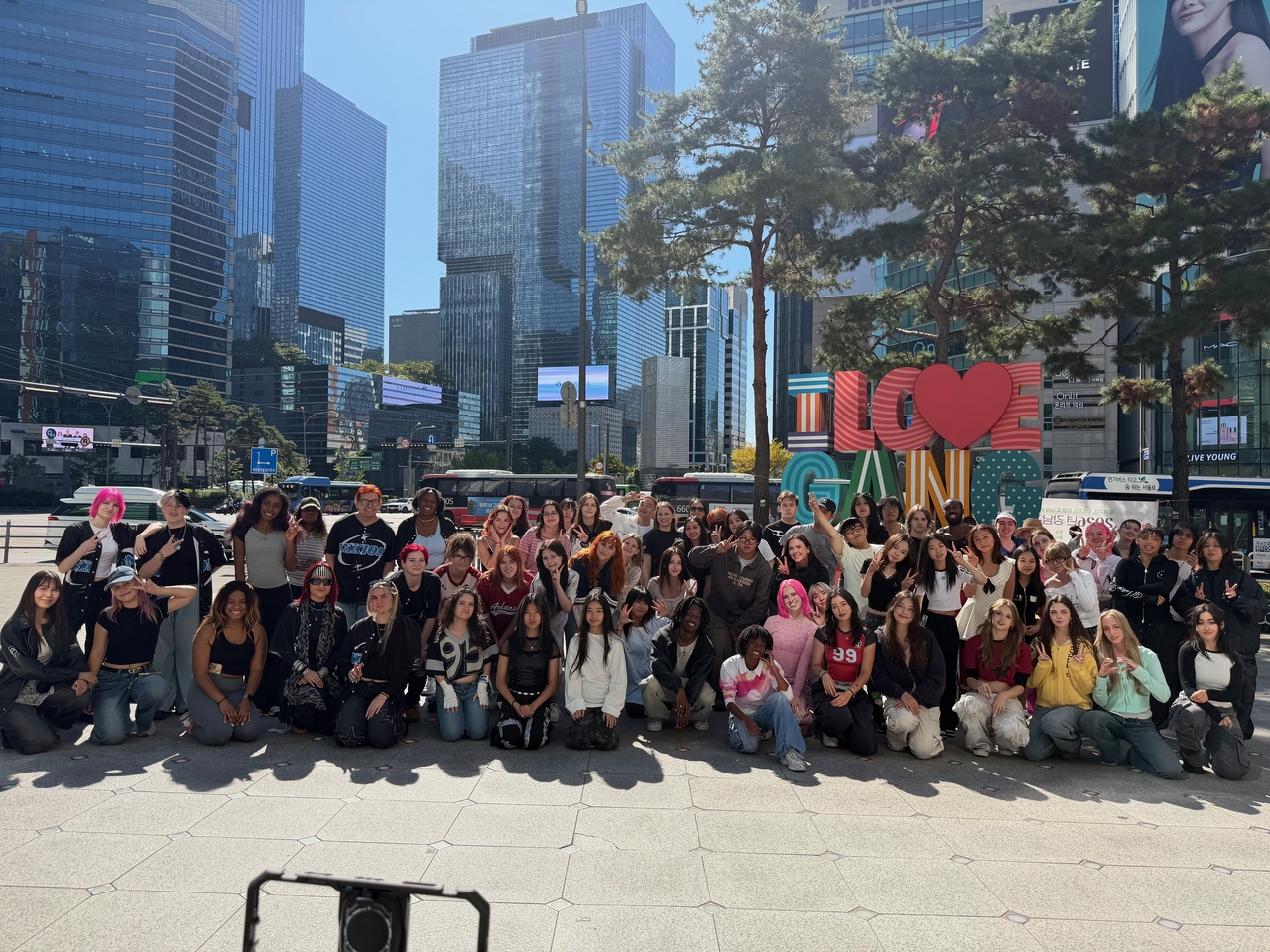
What makes a good K-pop cover?
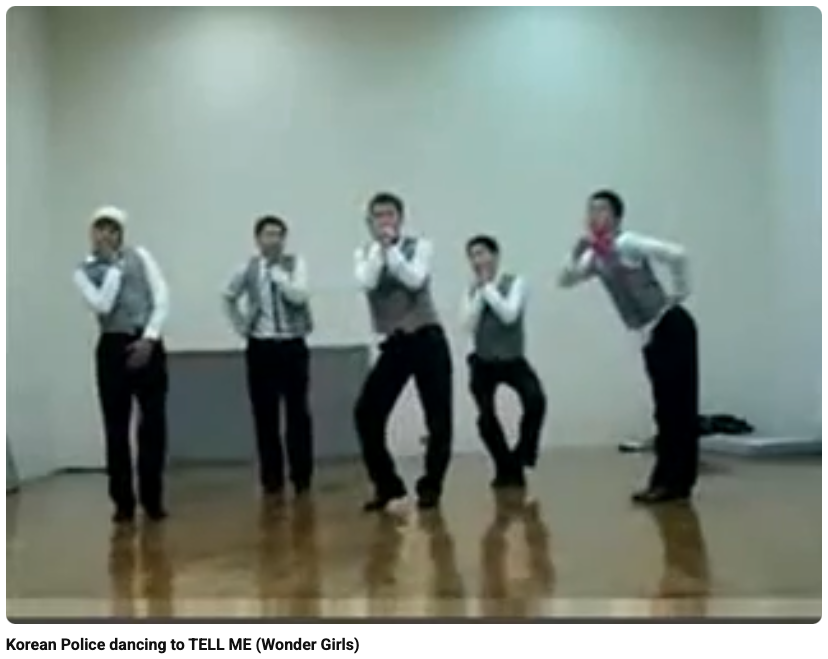
K-pop cover dance has come a long way since the early days, when viral hits like Wonder Girls’ “Tell Me” in 2007 sparked a wave of fans mimicking the choreography in a playful, memetic phenomenon.
Today, cover dancers form dedicated crews, teach classes, build online followings and travel internationally for competitions. The covers themselves have also become increasingly elaborate, with some videos re-creating not only the choreography, styling and formations of the original performance, but even the camera movements of the music video or live performances.
Yet the goal is not necessarily to become a carbon copy of the original.
K-pop choreography can draw from hip-hop, contemporary dance, waacking, vogue and other genres. But at the same time, idol performances have their own distinctive language: constantly changing formations, moving in and out of center positions and an emphasis on facial expressions and character.
For Regina Stieber of Milwaukee-based Mkeme Crew, those details stood out. She grew up dancing hip-hop and spent about five years performing for an NBA dance team before finding K-pop during the COVID-19 pandemic. What stood out to her about K-pop was how its choreography could connect with people across languages, cultures, ages and even levels of dance experience.
"I think it's a special talent to create a dance that people connect with, whether they're dancers or nondancers, and have something go viral around the world," she said.
The balance between respecting the original and bringing something of your own to it is central to how Stieber approaches cover dancing.
"It's not necessarily about copying what the idol does, but understanding the actual moves and the foundation of the dances they're doing," she said.
For Mkeme Crew, that meant drawing on their different dance backgrounds for a cover performance while staying true to the original. Their dance set in the competition incorporated contemporary dance, Jersey club, hip-hop footwork and vogue, as well as hand fans inspired by traditional Korean dance forms.
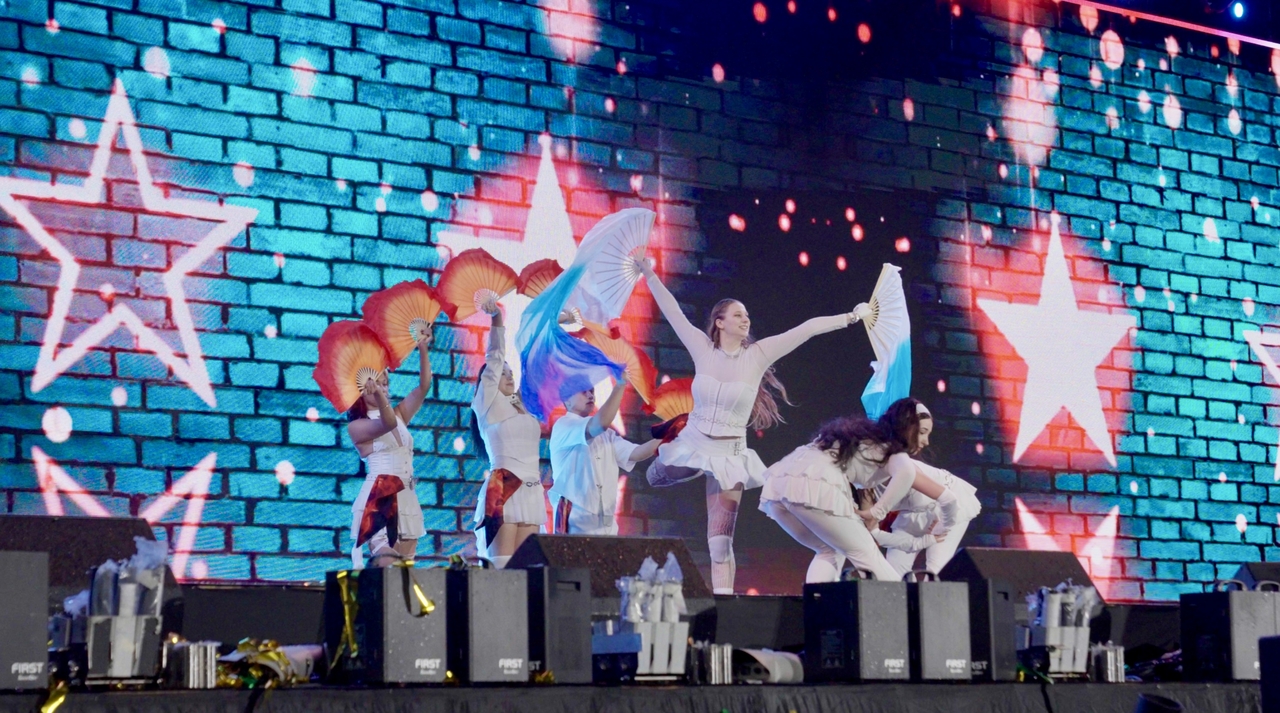
Alexander Vanissaveth, another crew member, said cover dancing had become another way for fans to connect with K-pop artists.
"I think what makes a good K-pop cover is when the dancers work hard together to put forward the intent of the piece," he said.
For Brizuela, there’s another appeal: getting to play the part of the idols themselves.
"One of the things that we love is to be able to step into the idol's shoes," she said. "If we have a favorite group, like you have a bias or something, getting to kind of cosplay as them for a day is really fun."
That means capturing not just the choreography as a whole, but the individual moments and point choreography that set each of them apart.
Living the K-pop dream
For Stieber, the competition provided a more personal moment.
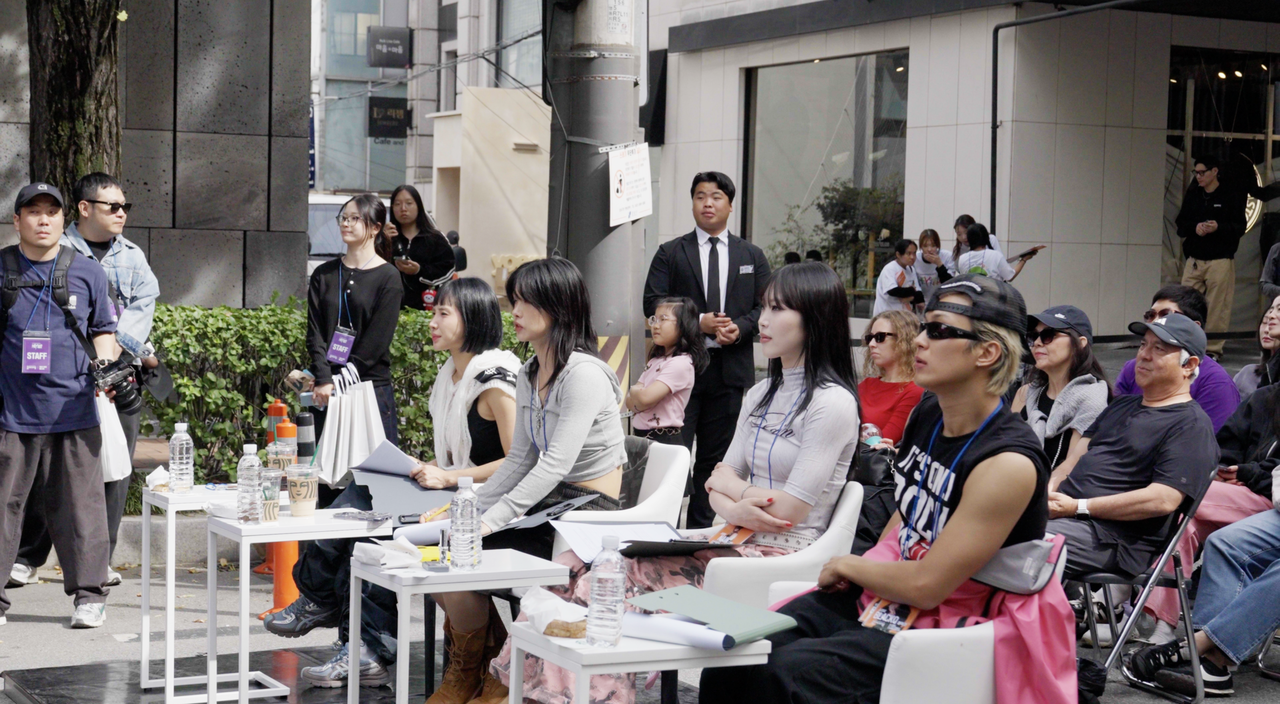
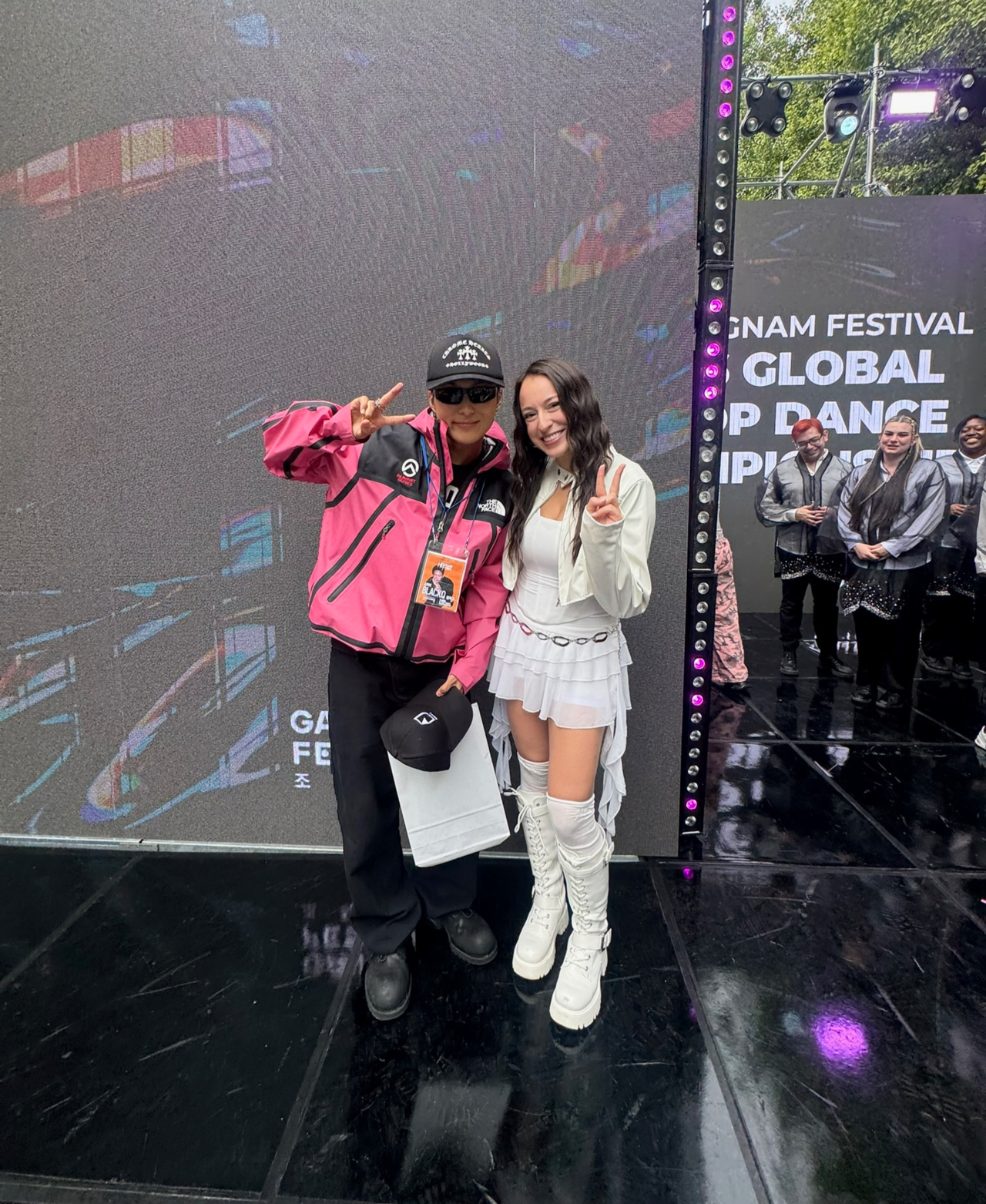
She was particularly drawn to Black Q's work with girl group NewJeans, whose choreography inspired her to learn K-pop dances. When she found out he would be judging the competition, performing in front of him took on added meaning.
"Getting to dance and showcase my own choreography in front of him was super cool," she said, referring to sections where she had put her own spin on Black Q's original choreography.
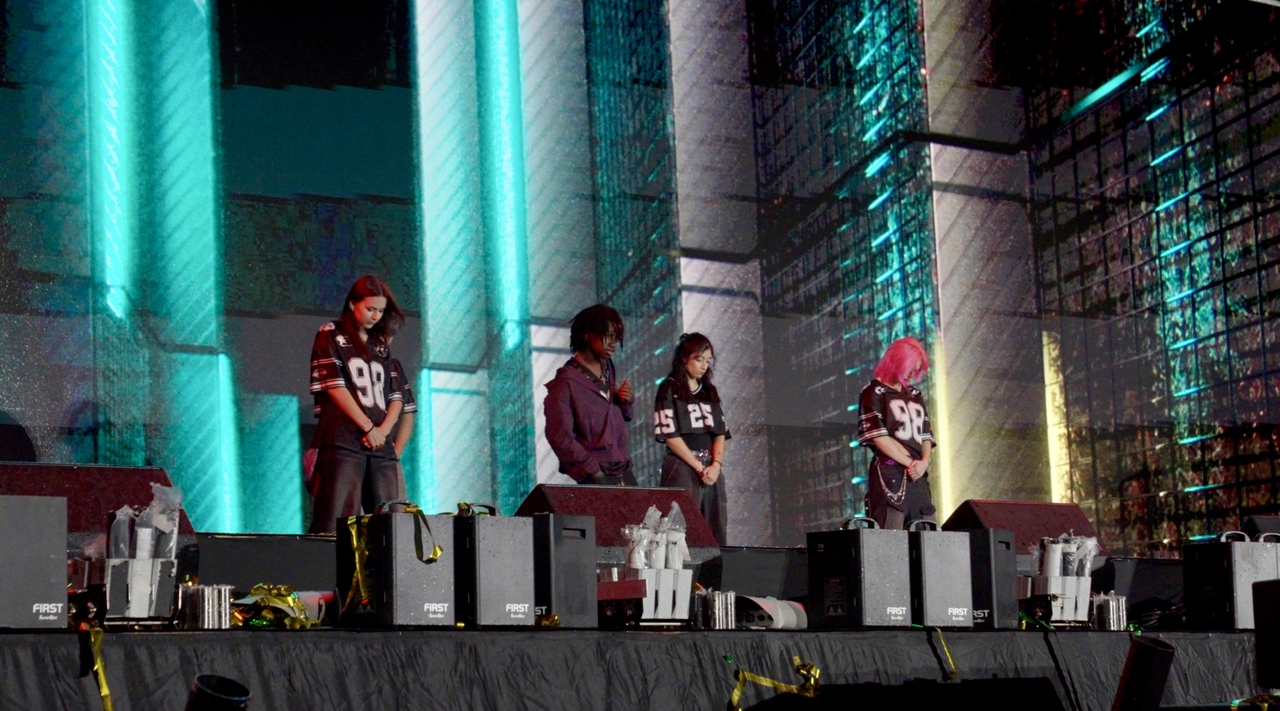
After the competition wrapped up Saturday with Prism Kru in first place, Unit21 in second and Mkeme Crew in third, the three teams returned the next day to share the stage with K-pop artists.
The performance came on the festival's biggest day, with some 81,000 people in attendance, according to the Gangnam-gu Office. The evening's K-pop concert featured acts including ZeroBaseOne, KiiiKiii and P1Harmony, with Psy headlining.
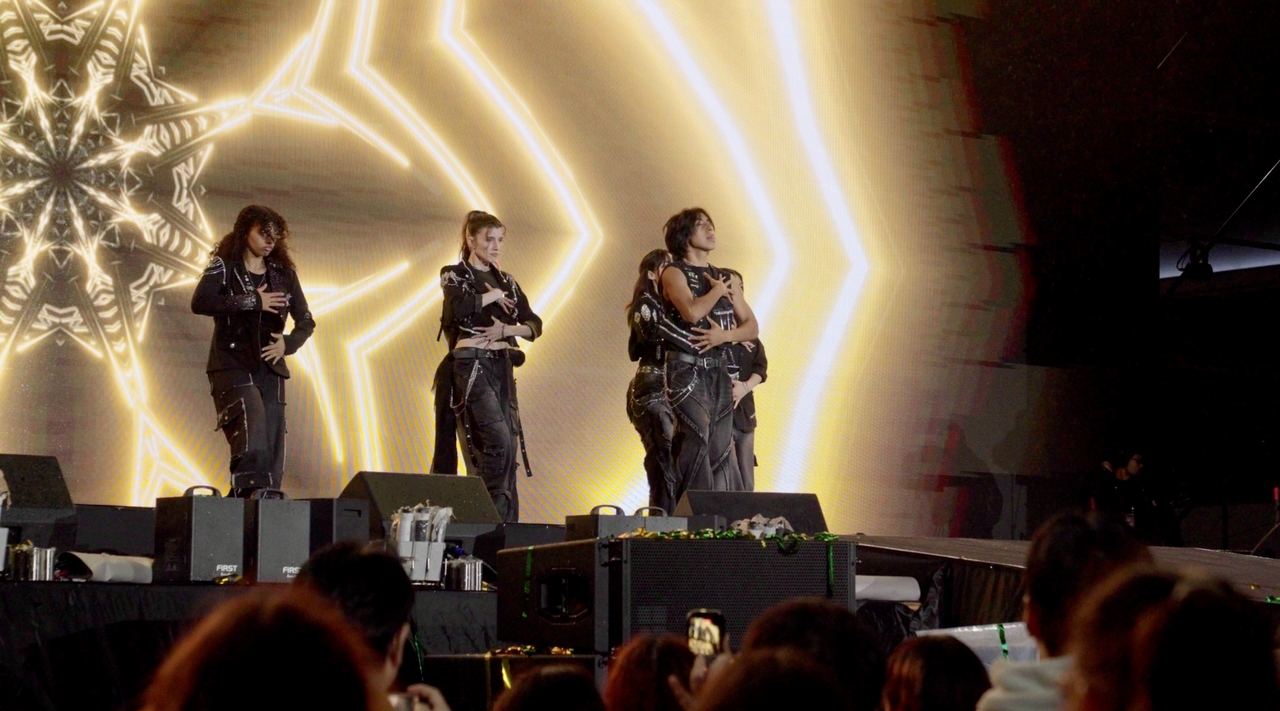
Before knowing whether Unit21 would make the top three, the team's Jersey Ousley had described what the opportunity would mean to him.
"I've always looked up to idols ever since I started dancing, so the fact that we get to share the same stage is amazing to me," he said. "The fact that we get to feel how they feel when they perform is really inspiring. I want to keep doing it."
For Aiki, the competition’s judge and choreographer, the event offered another glimpse into K-pop’s growing reach — something she said she has increasingly witnessed while traveling abroad.
"I've seen firsthand how much K-pop is loved outside Korea. But seeing them come here and perform in Gangnam felt different. More than anything, it made me really proud," she told The Korea Herald.
Aiki was particularly struck by how fully the dancers immersed themselves in the performances, not only making choreography created by Korean choreographers their own, but also singing along to the Korean lyrics as they danced.
"The sincerity they brought to their performances also made us feel that we should work even harder, just like them."
tammy@heraldcorp.com