Icheon, Gwangju, Yeoju — 3 cities at the heart of Korea's ceramic culture in Gyeonggi Province — offer distinctly different views of ceramics
ICHEON, Gyeonggi Province — From ancient crafts to radical contemporary practice, ceramics take center stage across Gyeonggi Province this fall. The 2026 Gyeonggi Ceramics Biennale brings artists and ideas together across the cities of Icheon, Gwangju and Yeoju through Nov. 1.
Organized by Gyeonggi Province and the Korea Ceramic Foundation, the biennale is Korea's only international ceramics art festival. Now in its 13th edition, it explores clay and earth not simply as raw materials, but as active forces that shape, transform and participate in the creative process, under the theme "Earth Makes."
Widely regarded as the heart of Korea's ceramic culture, Icheon, Gwangju and Yeoju lie within an hour's drive of one another. Each offers a distinct entry point into ceramics, spanning centuries-old traditions and craftsmanship to experimental forms and contemporary artistic practice.
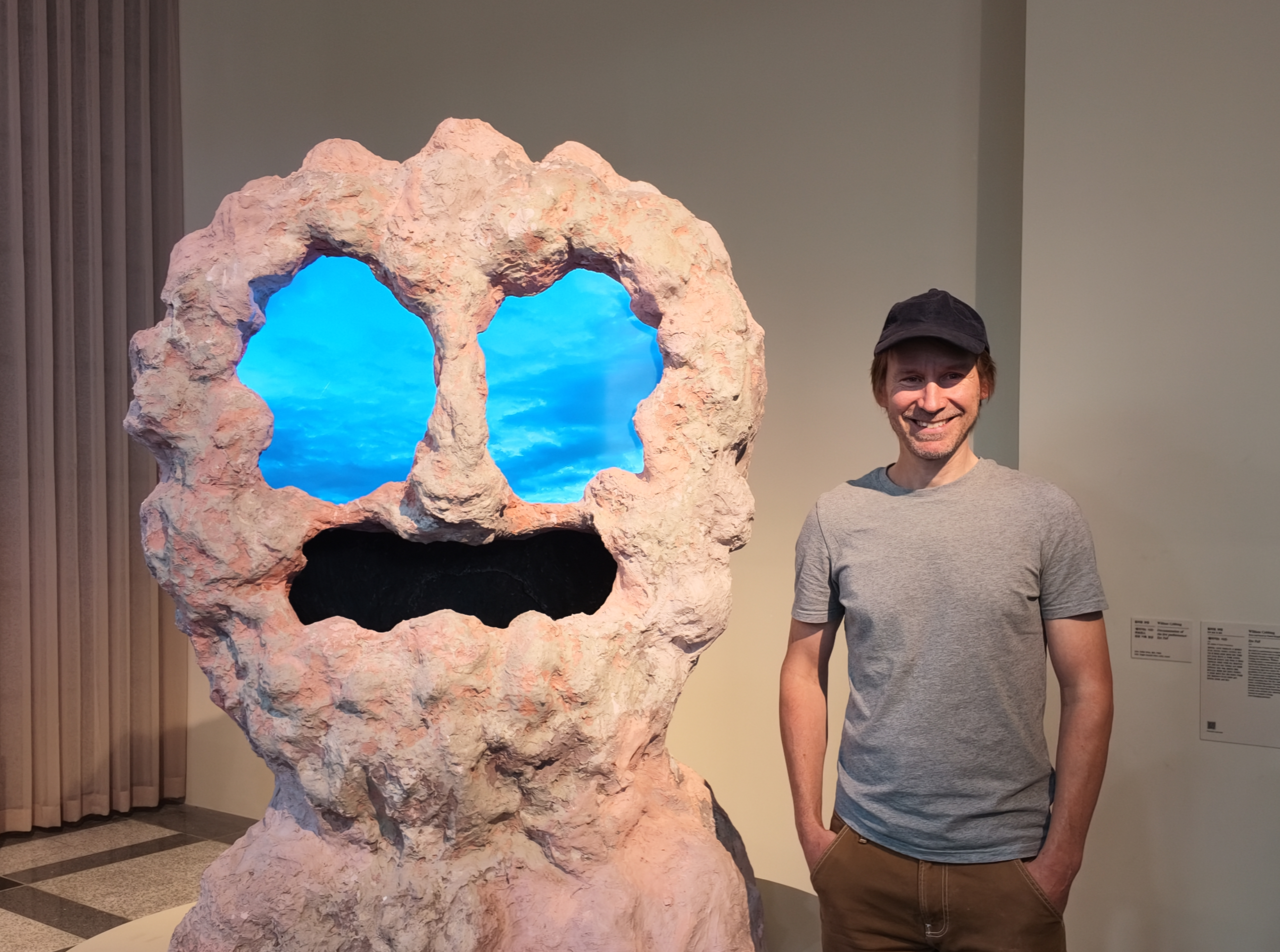
"Clay has its own personality. Rather than imposing an idea onto it, clay and earth have life beyond us, and we should have dialogue with clay," participating artist William Cobbing said while introducing his works to the press on Sept. 16.
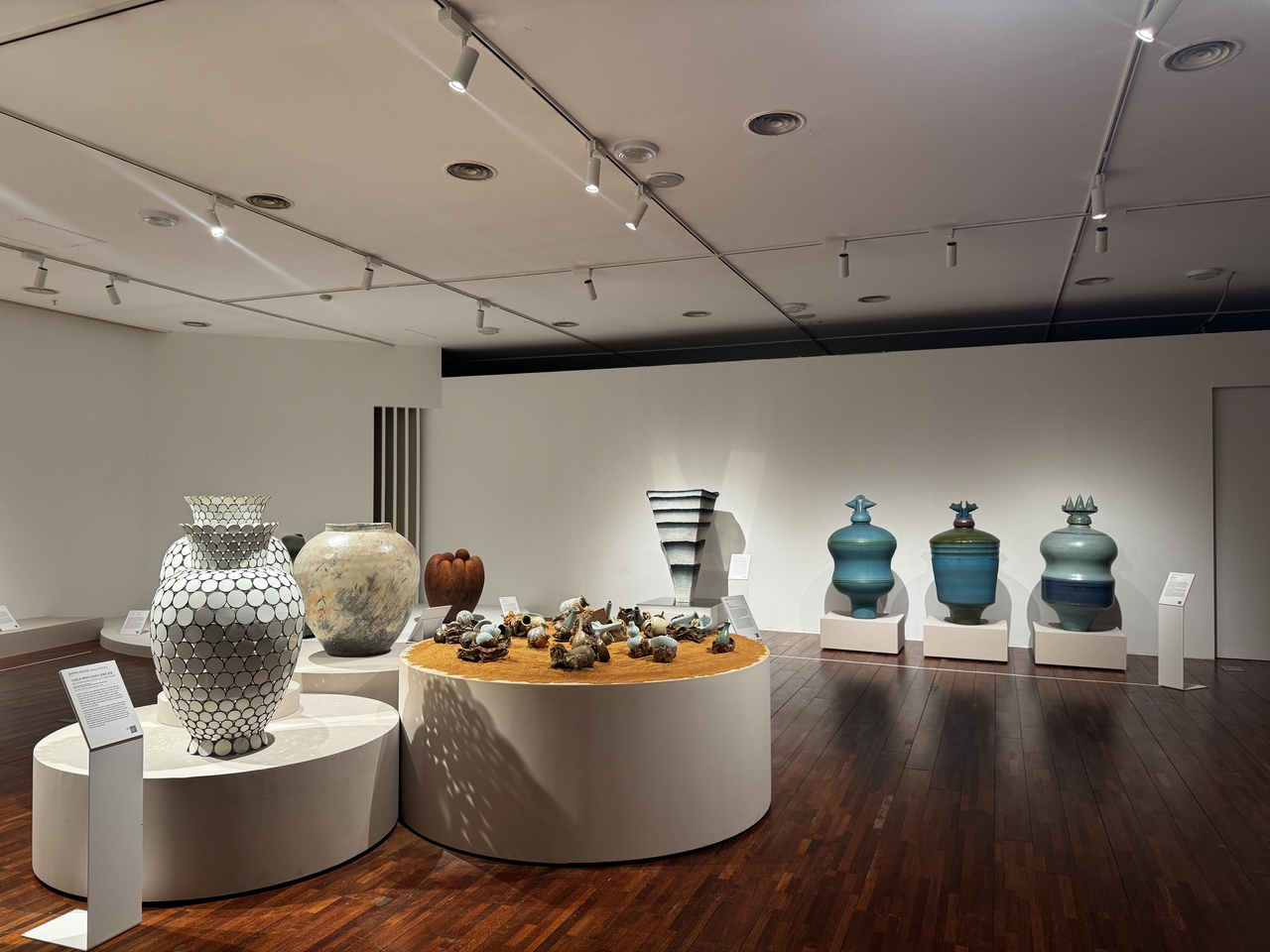
His work is part of the main exhibition, "Earth Makes," which features 67 artists from 14 countries. The exhibition, taking place at the Gyeonggi Museum of Contemporary Ceramic Art in Icheon, examines how natural materials, human intervention and time shape ceramic works.
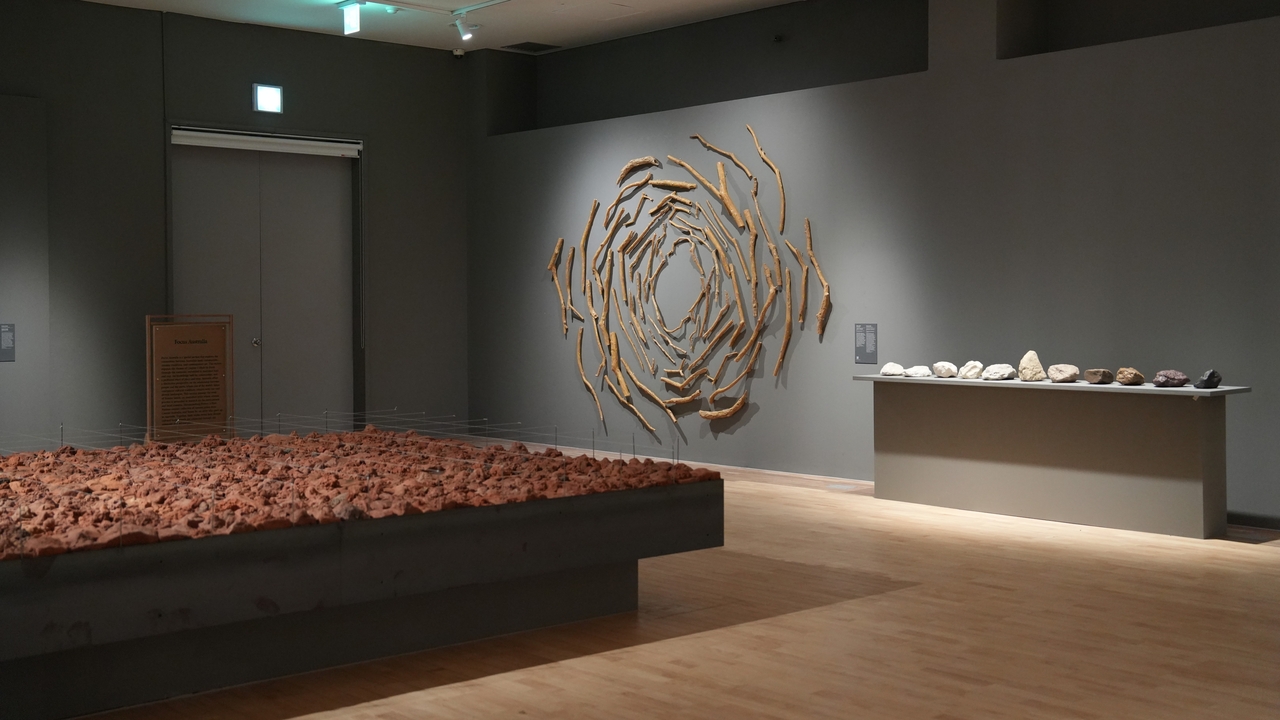
From Australia, Yasmin Smith takes the relationship between land and ceramics further, exploring how ceramics can articulate the chemical aesthetics of glazes.
She uses molds and castings of plants and coal from sites affected by human activity, turning their chemical traces into different shades of glaze. Her work captures how materials transform over time, reflecting time, memory, ecosystems and the cycles of the land.
"The younger the coal, the (fresher) memory it has of plant minerals and mineral life, whereas the older, the more of that life is bleached out," she said.
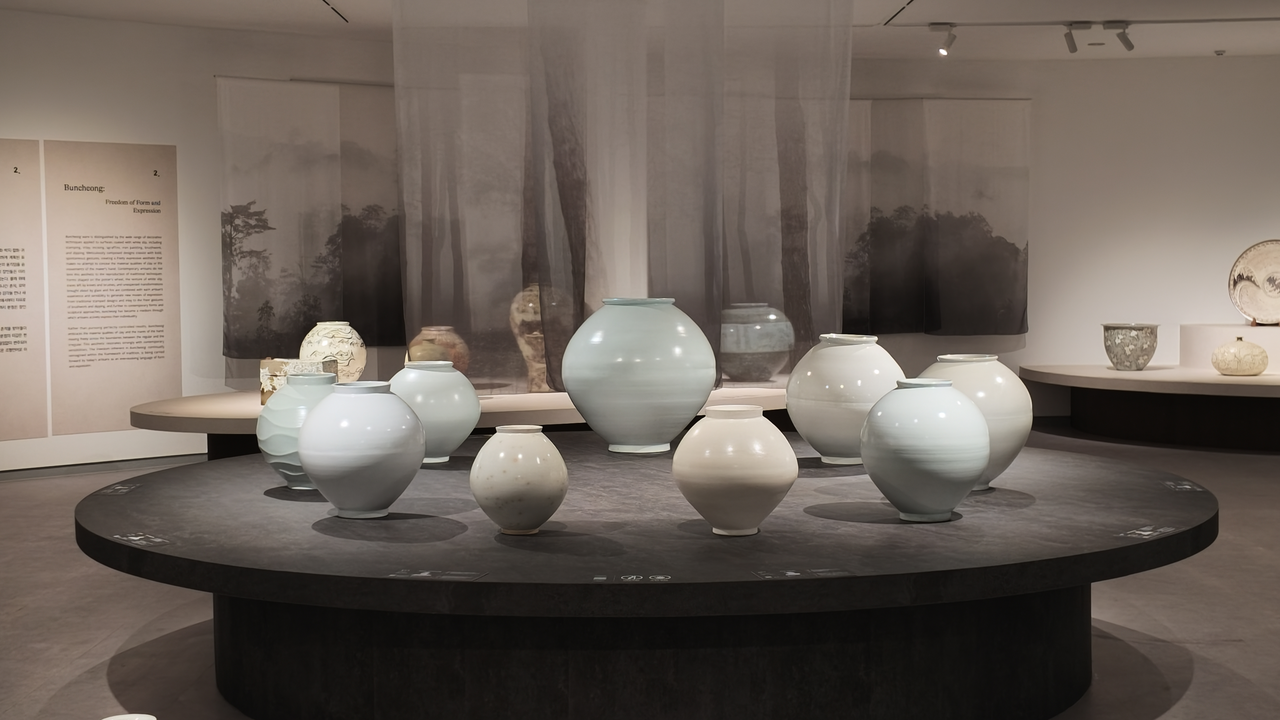
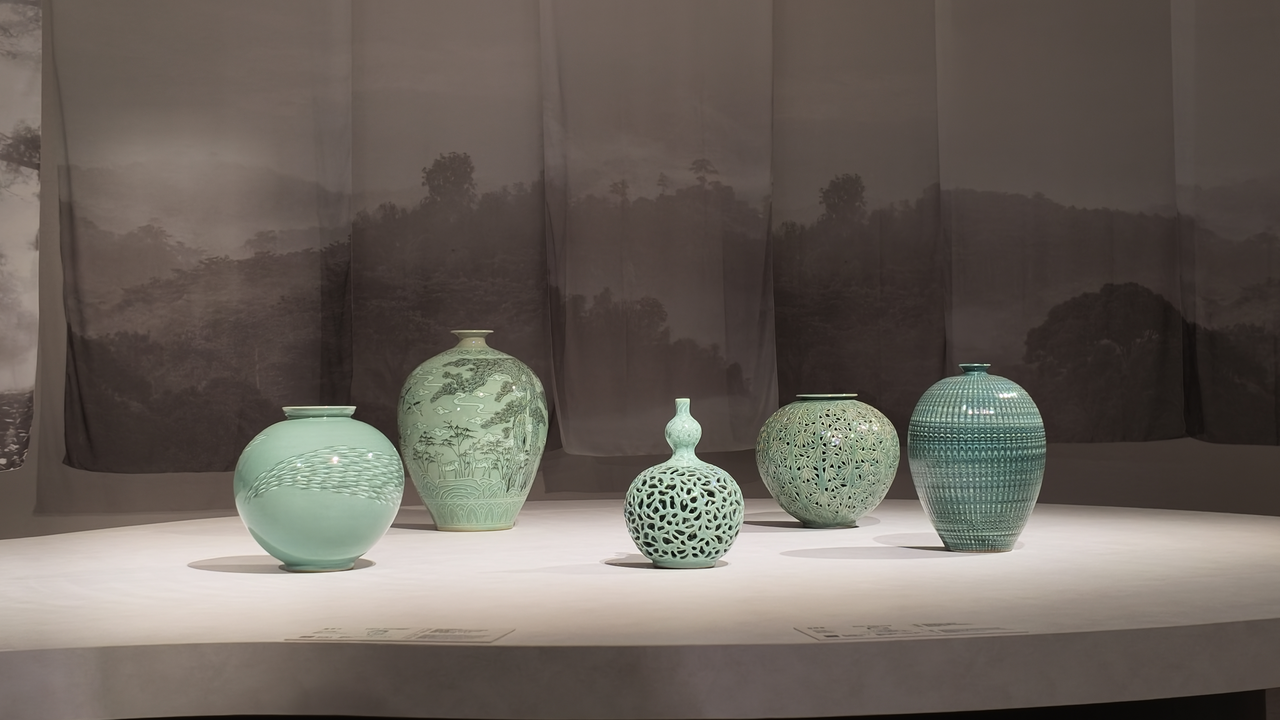
For visitors interested in Korea's ceramic heritage, the Gyeonggi Ceramic Museum in Gwangju presents "Living Legacy: Masters of Korean Ceramics Today."
It traces the development of Korean ceramics from the Goryeo Kingdom to the Joseon era, showcasing different forms and colors of celadon, white porcelain and Buncheong.
The collection brings together works by 64 master craftspeople, including Korean Master Hand Lee Kye-an and National Intangible Cultural Heritage Master Kim Il-man. The masters, having devoted three to five decades to working with traditional ceramics, represent different approaches to preserving and developing Korean ceramic techniques.
Images of forests and trees cover the walls, creating a visual connection between the works and the natural world.
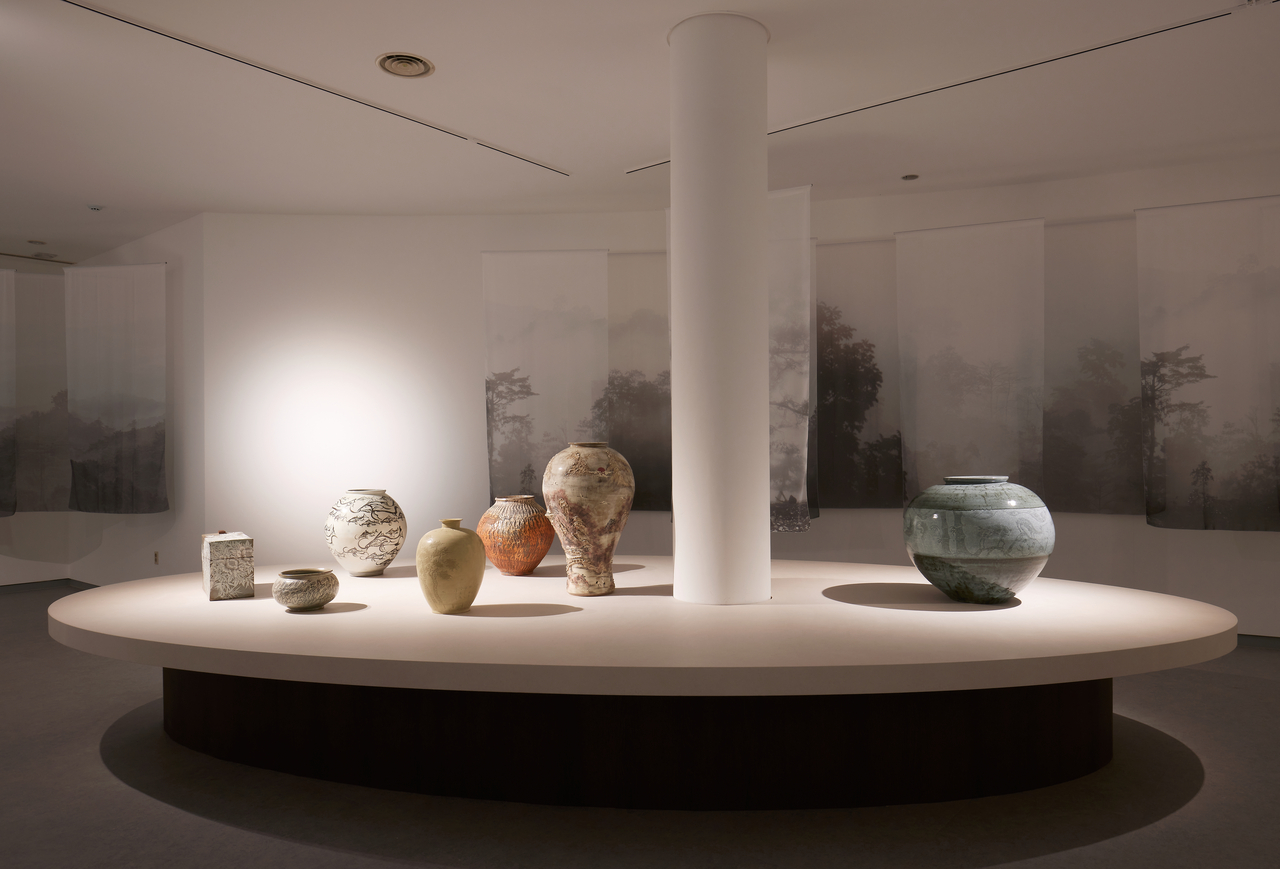
The exhibition is not simply a display of traditional forms. It also traces how Korean ceramic traditions were carried into the modern era.
The modern revival of Goryeo celadon can be traced back to the Japanese colonial period (1910-1945), when Japanese researchers excavated Goryeo kiln sites and began making celadon using Korean clay. Japanese artisans initially kept the techniques to themselves, but some Korean potters learned by watching them work and later began reproducing celadon themselves.
After liberation and the Korean War, Icheon was one of the few places where kilns remained in operation. Potters moved to the area, forming an early generation of modern ceramic masters, whose works helped establish Gyeonggi Province as the center of Korean ceramics.
The biennale turns to another question: How can traditional techniques be reshaped for contemporary practice?
"Tradition, Revisited," taking place at the Gyeonggi Museum of Ceramic Design in Yeoju, focuses on materials and techniques that have a distinct place in the history of Korean ceramics but remain relatively unfamiliar: earthenware, black-glazed ceramics and iron glaze decorations.
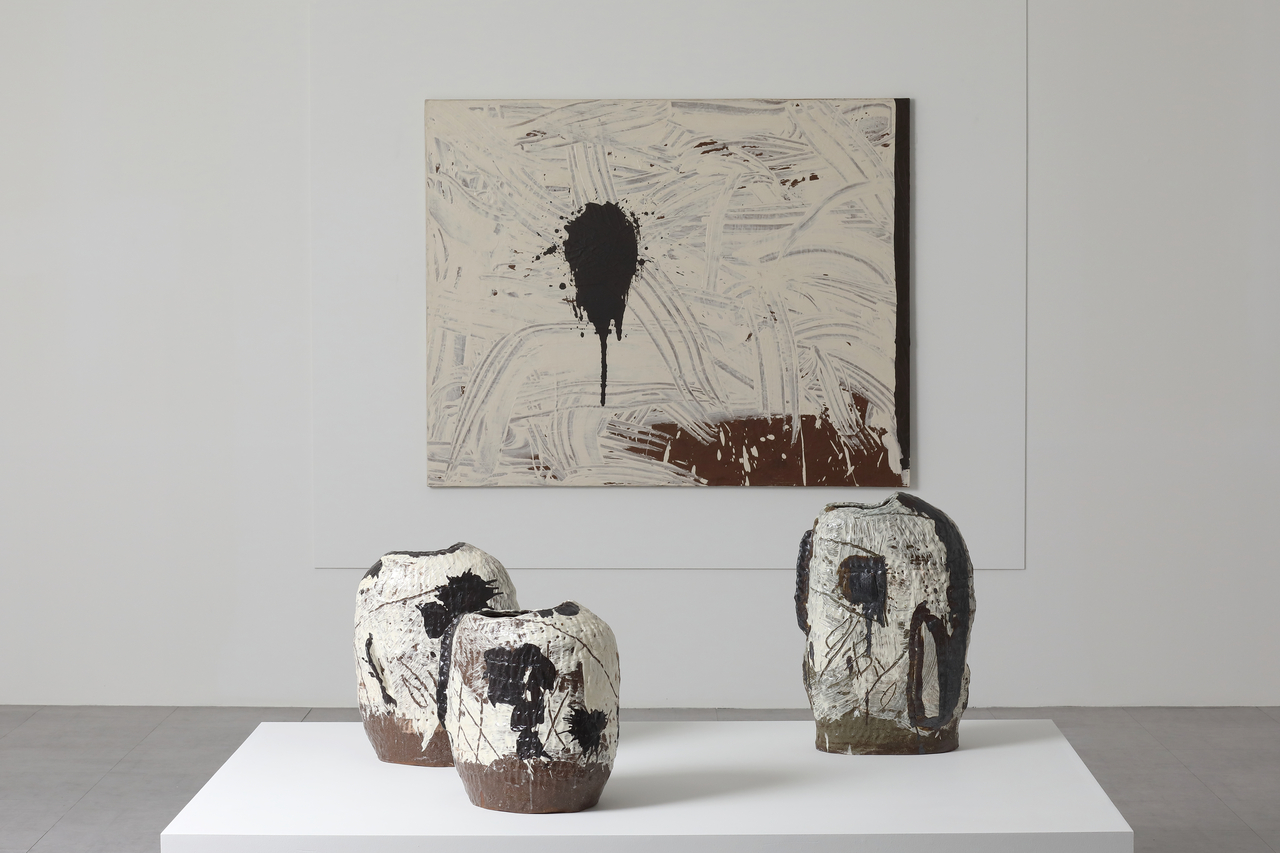
Ree Soo-jong, who has worked with clay for more than five decades, presents a new series of Buncheong works at the biennale.
Viewing clay as a foundation of life and part of nature, Ree uses coiling techniques to emphasize the material's inherent qualities. He leaves traces of the hand-coiling process visible and applies white slip with brown iron brushstrokes, emphasizing the texture of natural clay.
mjcha@heraldcorp.com