Near-identical US pricing pits eight generations of Galaxy refinement against power of Apple’s premium ecosystem
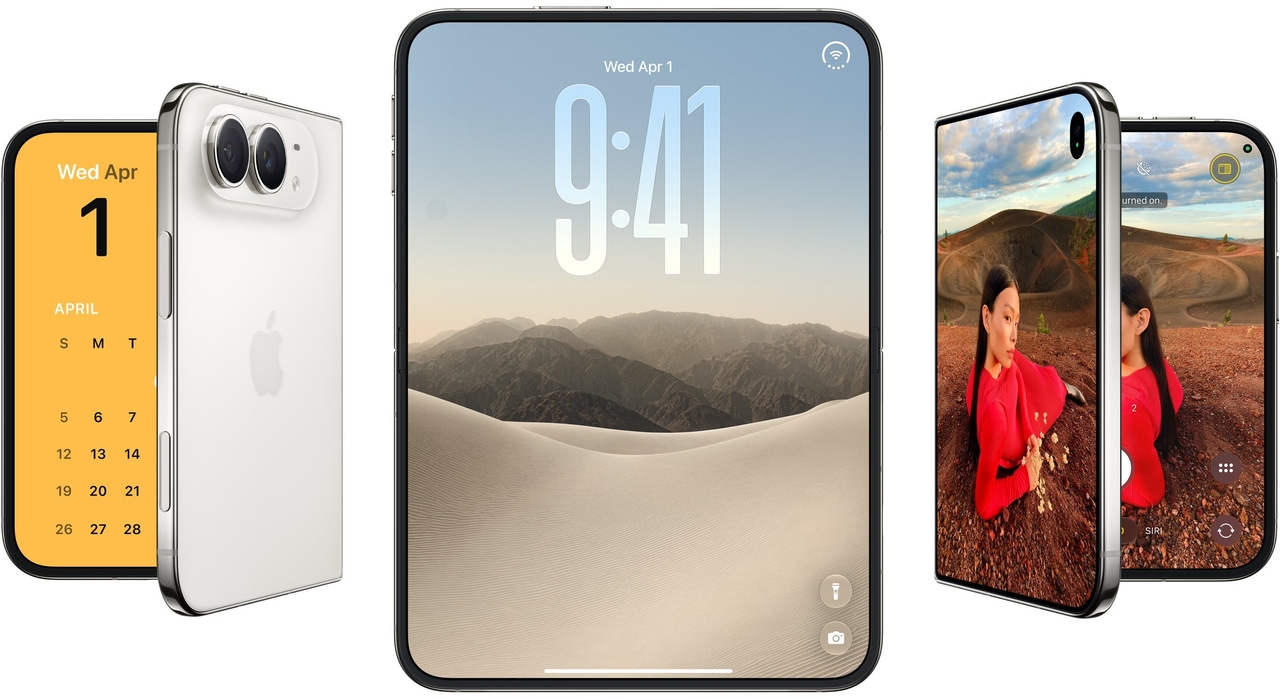
Samsung Electronics has spent seven years developing the Galaxy Z Fold from an experimental device into one of the world’s best-known foldable smartphones. Next month, for the first time, it will face an iPhone built around the same book-style idea and priced almost directly against it in the US.
Apple surprised the market last week by setting the 256-gigabyte iPhone Duo at $1,999, well below prelaunch estimates of around $2,500. Samsung’s Galaxy Z Fold8 launched at $1,899.99.
That leaves only about $100 between them in the US. In Korea, the difference is much more pronounced: Duo starts at 3.29 million won ($2,380), more than 1 million won above the 2.28 million won Fold8.
"By pricing it so close to Samsung, only $100 more, Apple will make a very strong proposition for potential buyers in the US," Nabila Popal, senior research director at market tracker IDC, told The Korea Herald.
"For someone willing to drop $1,800, a $100 price gap is negligible."
The difference does not mean Samsung suddenly lost everything it built over eight Fold generations. It means those advantages now have to carry more of the load.
Samsung knows foldables. Apple knows premium buyers
Fold8 is already a mature product in ways Duo cannot yet claim to be.
At 201 grams, it is 53 grams lighter than Apple’s roughly 254-gram Duo. Samsung has also spent years refining its hinge design and large-screen multitasking.
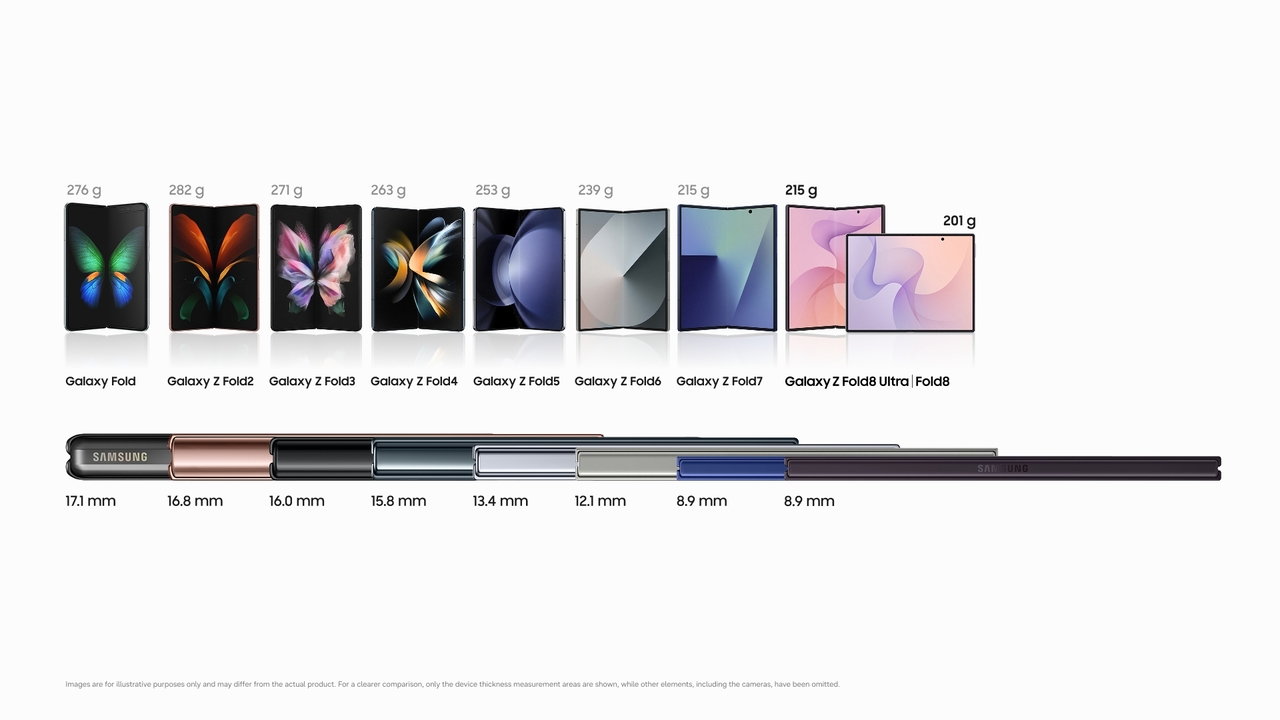
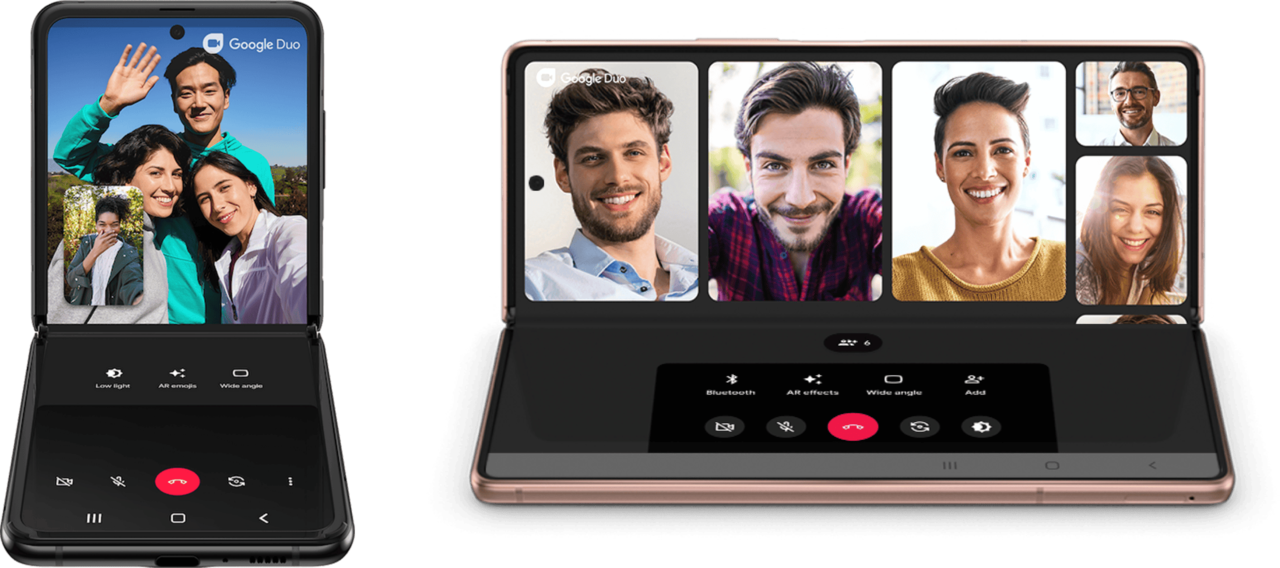
Some of the features Apple is introducing as new to iPhone are also familiar territory for Galaxy Fold users. Samsung has long used the outer display as a camera preview, built interfaces around folded positions with Flex mode and experimented in earlier generations with stylus support and underdisplay cameras.
iPhone Duo will not reach customers until Oct. 23, so its long-term durability and everyday software experience are still largely untested outside demonstrations and limited hands-on sessions.
Lee Jong-wook, a tech analyst at Samsung Securities, said Samsung's proven foldable experience and Apple's market advantage should not be confused.
"Samsung can understand the foldable product better. Apple understands the premium consumer better," Lee said. "Fold8's lighter weight and years of hardware refinement are real advantages. But what matters is whether consumers compare those things one by one, or simply choose the most premium iPhone inside the ecosystem they already use."
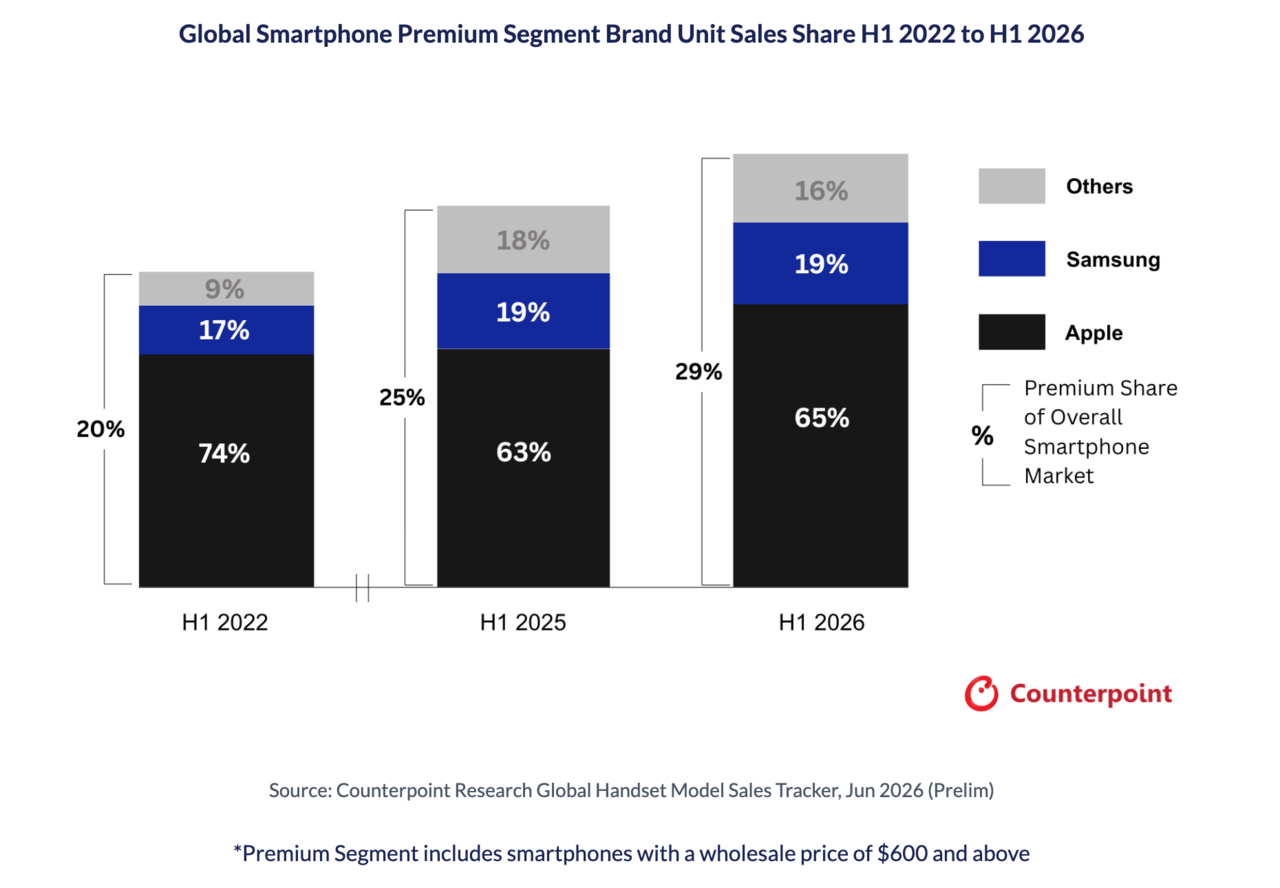
Apple’s advantage is especially visible among the buyers most likely to consider a $2,000 phone. Premium smartphones accounted for a record 29 percent of global sales in the first half, up from 20 percent four years prior, according to Counterpoint Research. Apple held 65 percent of that segment, compared to Samsung’s 19 percent.
Popal from IDC also said more than 32 percent of consumers in a global survey said they would "definitely" buy a foldable if Apple made one.
"Apple’s first goal might not even be to take high-income smartphone users in general," Lee said. "It’s to move its own customer from iPhone Pro Max to Duo."
Samsung still has room to fight on price. Fold8 is already selling below its launch price through some US channels, while trade-ins and carrier promotions can reduce the effective cost further. "But even these price advantages may not be enough to make an iPhone user switch everything else," Lee added.
Samsung’s home advantage is worth W1 million
In Korea, Samsung does not have that problem. It already has the larger installed base, years of Fold familiarity and a starting-price advantage of just over 1 million won.
Samsung Electronics chief Roh Tae-moon said at the Fold8 launch in July that the company aimed to "offer Korean customers its most competitive pricing globally." The standard Fold8 later took about 70 percent of a record 1.44 million Korean preorders for the Z8 series.
"Here (in Korea), Apple first has to convince its own Pro and Pro Max customers to spend more than 1 million won extra for the foldable form factor, which is a very hard case to make even for the most loyal Apple users," a Korean telecom industry official said.
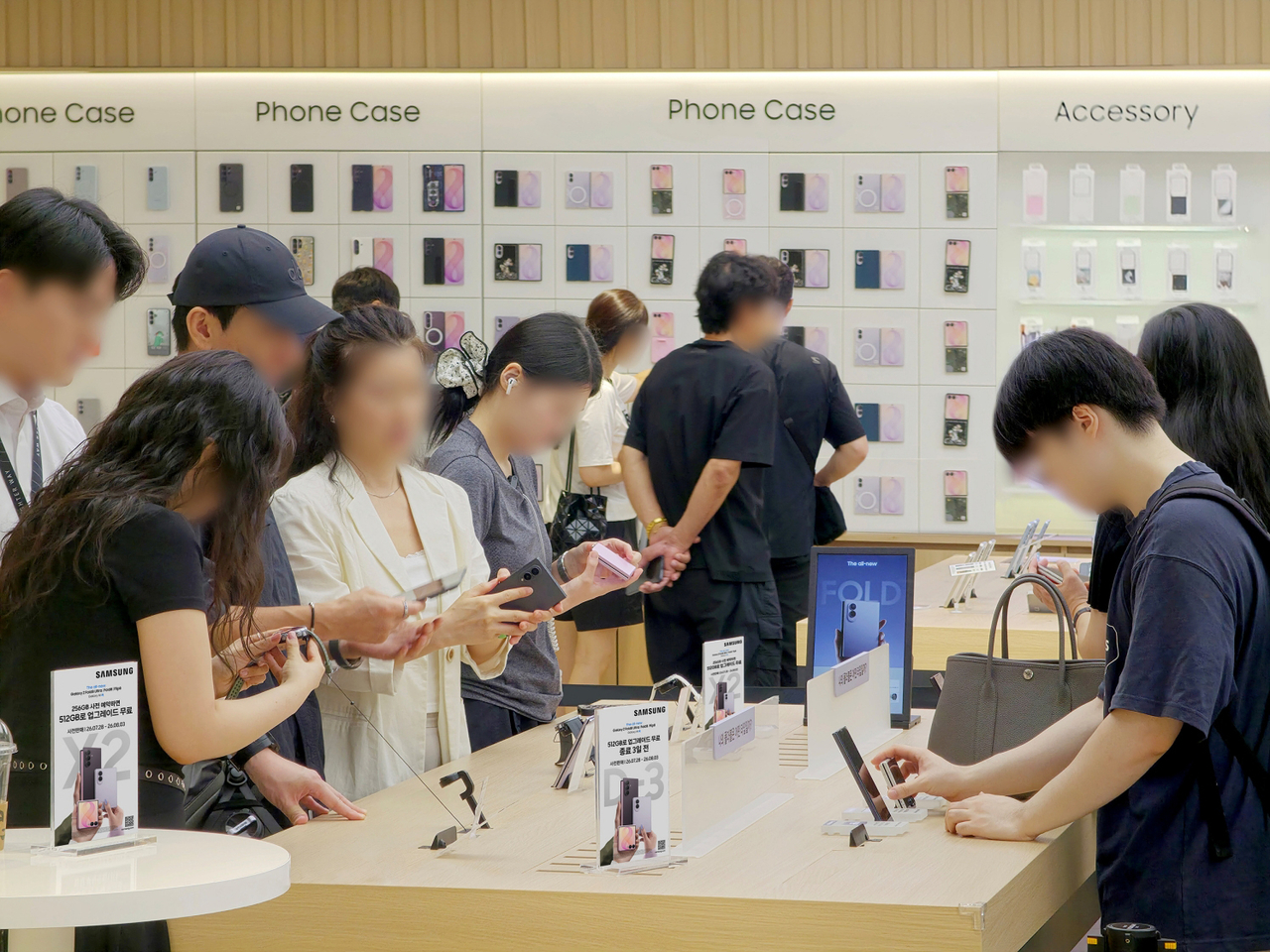
Popal said that gives Samsung a clear home-market advantage, but the US matters more to the global competition. Korea accounted for less than 2 percent of global foldable shipments in the first half, compared with roughly 10 percent for the US, according to IDC.
"Apple will give Samsung most competition in the US, while in Korea, Samsung will have home advantage and a large volume of native loyal consumers," she said.
That also partly helps explain why "who would pay $2,000 for a phone?" is not quite the right question.
Neither Apple nor Samsung needs these devices to become mass-market phones. Lee from Samsung Securities said the business case is a much smaller group of customers willing to pay at the very top of the market.
"Apple and Samsung aren’t expecting something like half of smartphone users to go out and buy a $2,000 phone," Lee said. "They just need enough high-income professionals and power users for it to become a meaningful business."
mjh@heraldcorp.com