Samsung Display’s exclusive panel enables the foldable form factor, while Korean memory suppliers add cost pressure to Apple’s $1,999 bet

Apple spent years waiting for foldable phones to become good enough for an iPhone. When it finally moved, however, it reportedly put the part that makes the phone fold in the hands of a single supplier: Samsung Display.
That gives iPhone Duo, unveiled Wednesday at a starting price of $1,999, an unusual supply-chain profile. Apple still sources major components from around the world. But the part most closely tied to its new form factor is also one of the hardest to replace outside Korea.
"With the iPhone X, Samsung's OLED was a component that made the iPhone look better," a Korean display industry official told The Korea Herald. "This time is different. Without the foldable panel from Samsung Display, the form factor itself simply cannot exist."
A display with no easy substitute
Samsung Display was also Apple's exclusive OLED supplier when the iPhone X debuted in 2017.
But the parallel only goes so far.
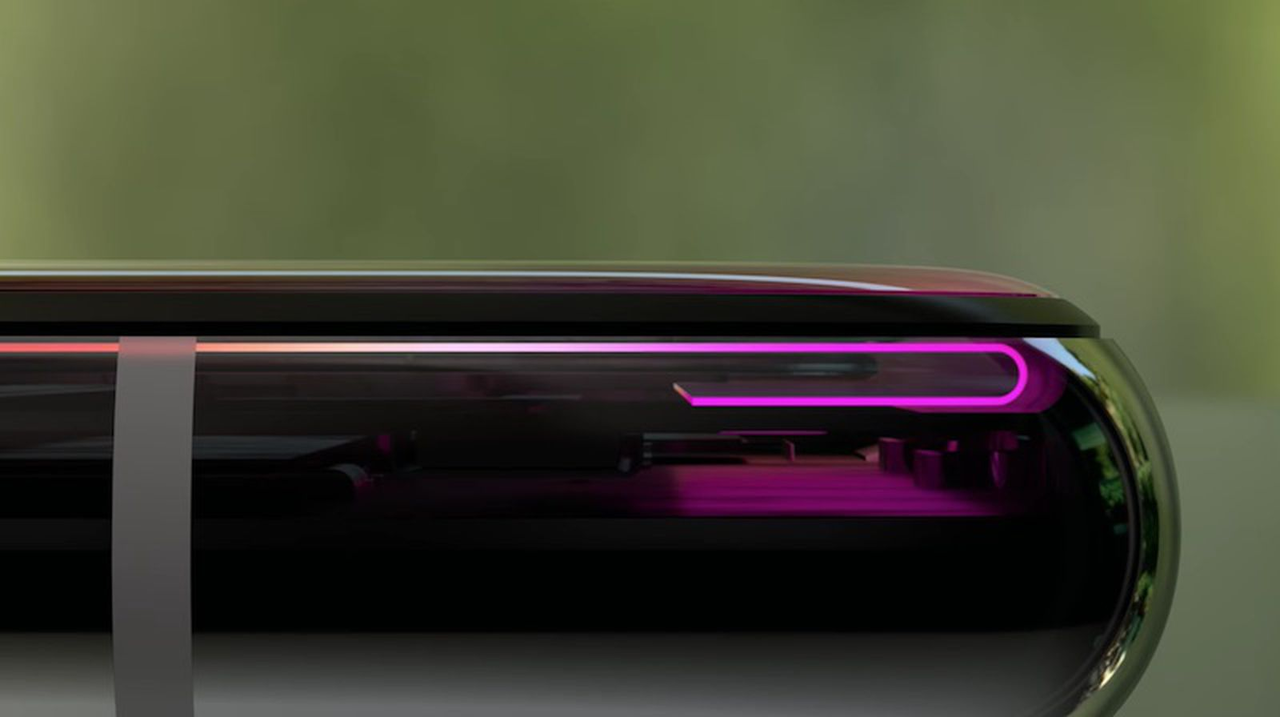
The iPhone X used Samsung's flexible OLED to help Apple achieve its near edge-to-edge design. It also arrived with Face ID, the TrueDepth camera system and a new interface built around the disappearance of the Home button.
The iPhone Duo is different in that its screen is not just one major upgrade among several. It is what makes the device a foldable in the first place.
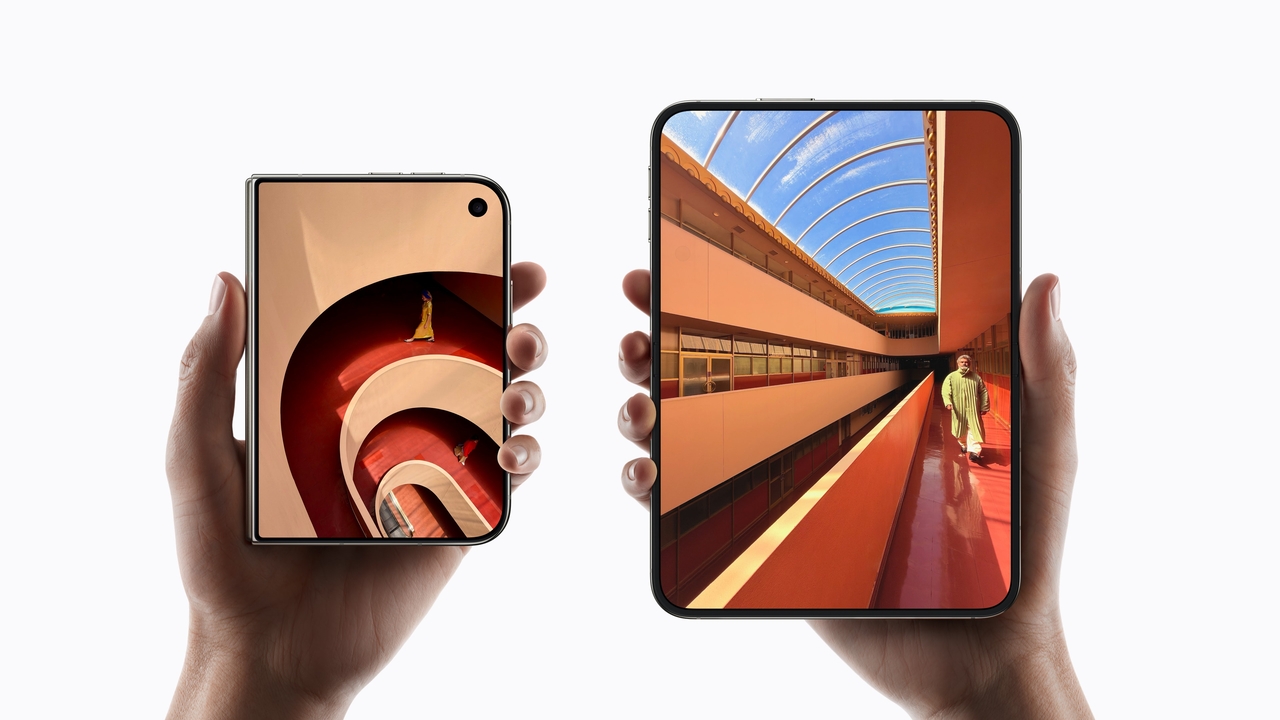
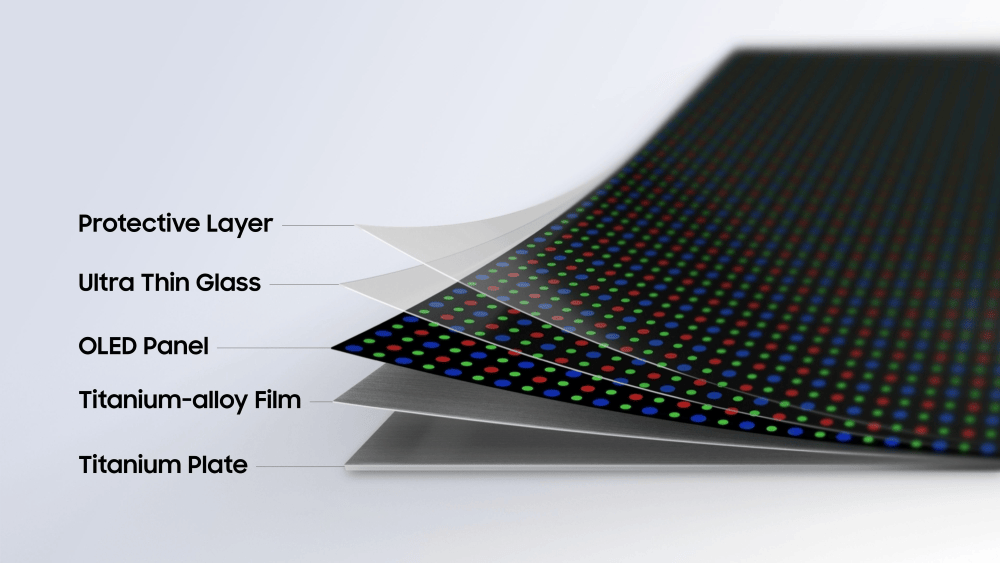
That does not mean Apple is buying a Galaxy panel off the shelf. The industry official said Samsung Display makes the screen to Apple's specifications. Apple then engineers the rest of the device around it.
At Wednesday's launch, Apple emphasized its own work on the hinge and the structure beneath the panel. It also highlighted software built specifically for the larger inner screen.
Samsung Display's advantage is that it has been making foldable OLEDs at scale for years. Samsung Electronics launched the first Galaxy Fold in 2019. Since then, Samsung Display has had several product generations to work on the problems that matter most in a foldable screen, from the crease to durability and yield.
The Elec reported earlier this year that Apple agreed to source foldable OLED panels exclusively from Samsung Display for as long as three years.
"Apple normally puts a lot of importance on diversifying suppliers," the official said. "If it still decided to leave the most important component of a first-generation product with one company, that tells you the alternative isn't easy right now."
Linda Sui, founder and principal analyst at Smart Analytics Global and former head of mobile device markets at TechInsights, made a similar point.
She said the phone remains globally sourced, but is unusually dependent on Korea in "several critical and difficult-to-replace technologies."
"The clearest example is the foldable OLED display," she said, citing Samsung Display's "technology maturity, manufacturing experience and ability to meet Apple's requirements for quality, yield and scale."
"Other display manufacturers can produce high-quality foldable OLED panels," Sui said. "But meeting Apple's requirements across all of these dimensions while supporting millions of devices consistently is a much higher bar."
Memory deepens Korea dependence
The screen is not Apple's only Korean exposure. Samsung Electronics and SK hynix are major suppliers in the global DRAM and NAND markets, alongside Micron in the US. Their importance comes as memory prices are sharply increasing the cost of smartphones.
Counterpoint Research estimates that memory was the largest driver of an almost $300 increase in the estimated bill of materials for a 1-terabyte iPhone 18 Pro Max compared with its predecessor.
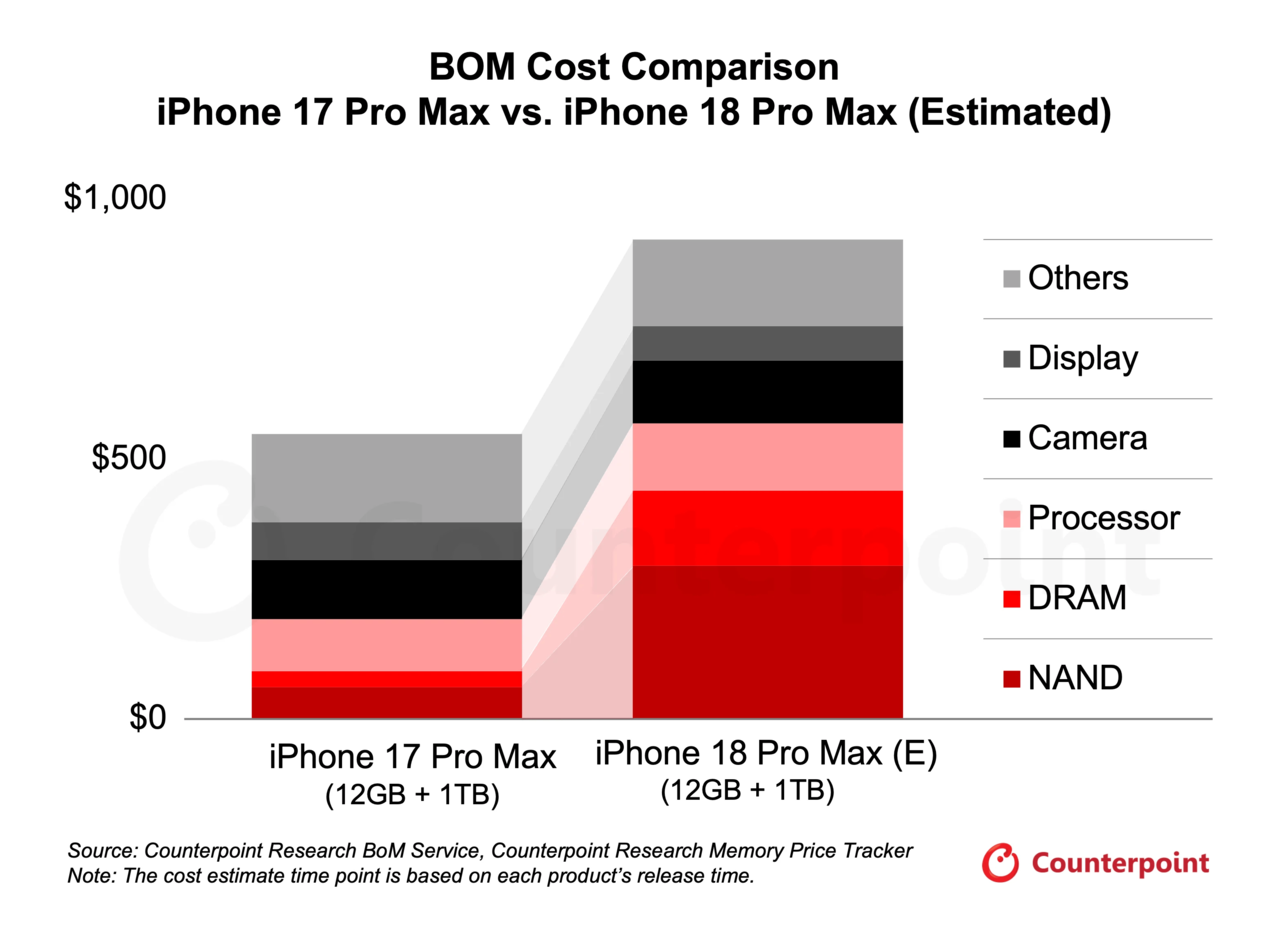
There is no teardown or analysis yet showing how much of iPhone Duo's cost comes from Korean suppliers. The pressure is nevertheless uncomfortable for Apple, according to a Korean telecom industry official.
"Apple usually uses its enormous purchasing power to push component prices down," the official said. "With this product, that formula may work less well for some key parts, especially memory. Other than Micron, there really aren't alternative suppliers outside Korea."
Apple's answer is that Duo combines its largest-ever iPhone display with a thin design, dual-screen camera features, Split View multitasking and all-day battery life. But it also drops Face ID for Touch ID and uses two rear cameras instead of the Pro line's three-camera setup.
"If you're paying around $2,000 and you lose things people associate with a flagship, consumers are going to ask, 'How is this better if it costs more and has lesser hardware?'" the official said.
Apple has repeatedly shown that customers will pay premiums for its ecosystem and highly polished software. Counterpoint said Apple's premium smartphone sales still grew 9 percent in the first half of this year.
"Apple doesn't have to prove that it can make a foldable. Samsung has already proved that for seven years," the official added. "Apple has to prove why this foldable is worth $1,999."
mjh@heraldcorp.com