Samsung's early investment in advanced OLED production leaves rivals struggling to catch up, but profitability remains uncertain
Apple has spent years diversifying its display supply chain to reduce reliance on individual suppliers.
Yet for two of its biggest hardware redesigns in years, its first foldable iPhone and now its first OLED touchscreen MacBook Pro, Samsung Display has emerged as the sole supplier.
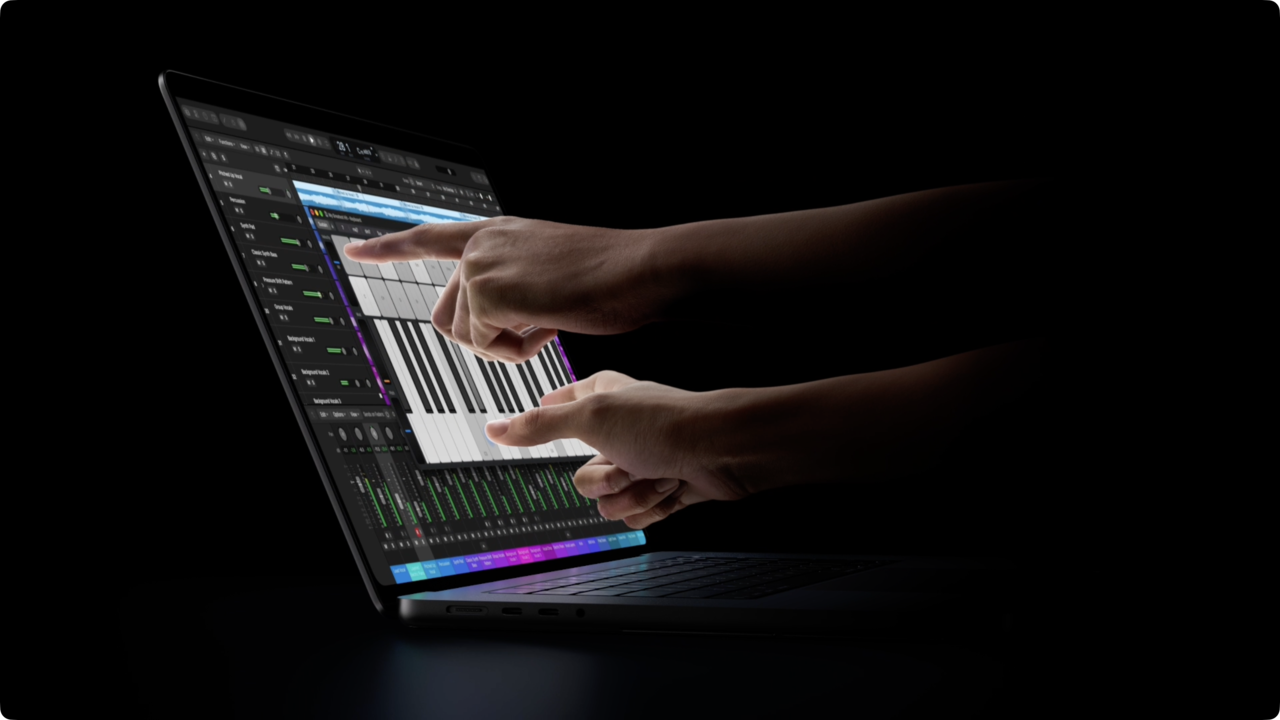
Apple unveiled the redesigned 14-inch and 16-inch MacBook Pros on Wednesday, introducing touch controls to the Mac for the first time in its 20-year history.
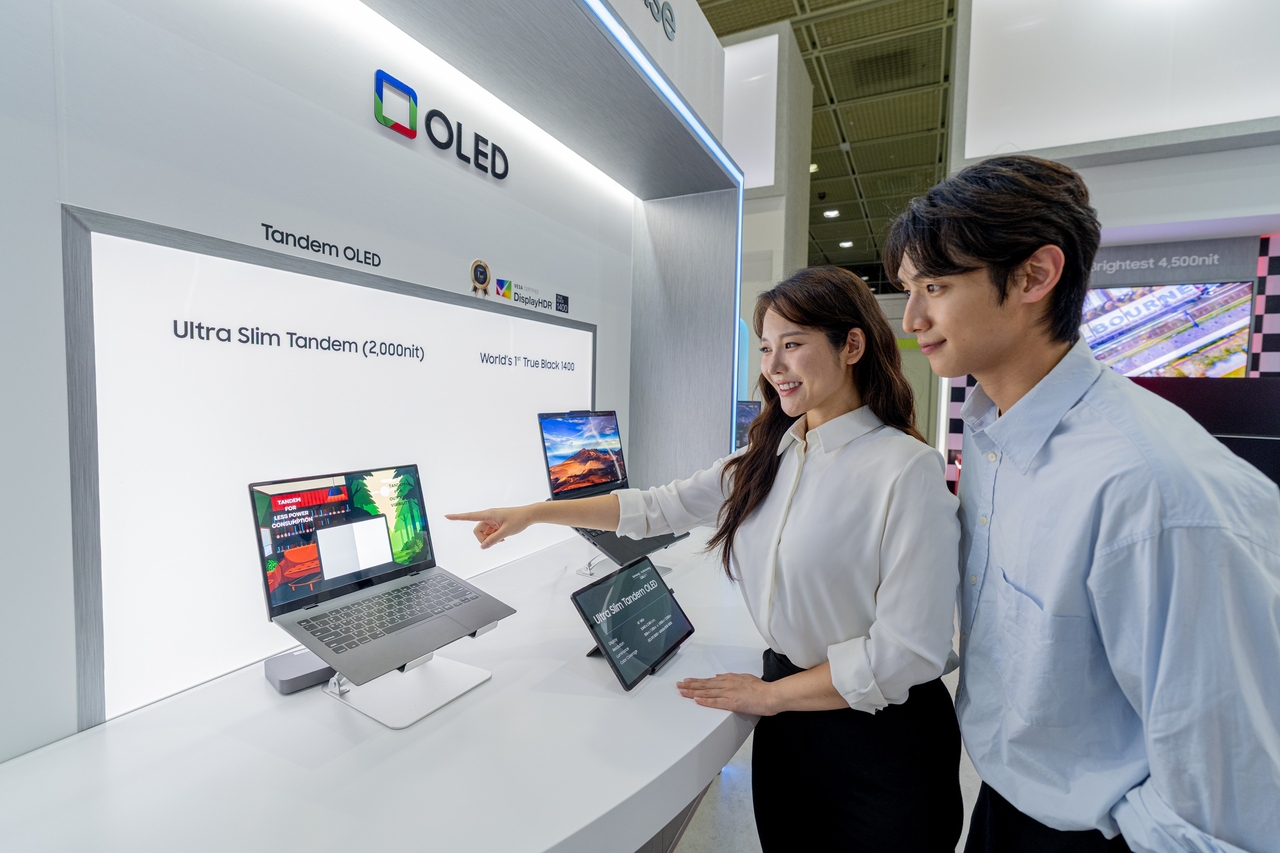
The new MacBook Pros feature Apple's PROLED XDR display, which delivers up to 2,000 nits of brightness and helps make the laptops roughly 15 percent lighter than their predecessors. The redesign also brings an iPhone-style Dynamic Island to the Mac, along with a sturdier hinge that keeps the screen steady when touched.
Samsung Display already exclusively supplies the foldable screen for Apple's iPhone Duo, launched in September. . Industry sources said in July that Samsung was also the only company involved in developing OLED panels for the new MacBook Pros, with estimated orders of 2.5 million units through 2027.
"Apple generally really dislikes depending on a single supplier because it loses bargaining power," said Kim Jun-ho, an analyst at Korean display research firm UBI Research. "But Samsung Display was the only company ready with both the technology and the financial resources to make these new MacBook Pro panels."
Why Samsung won the OLED race
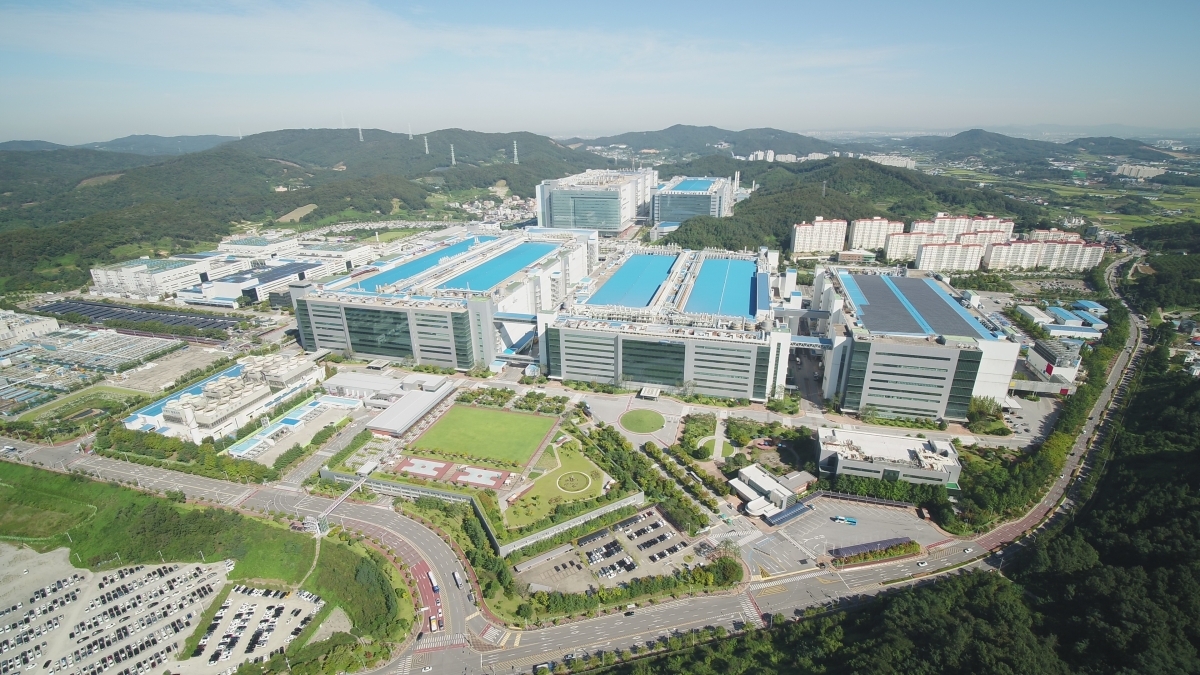
Samsung began preparing for the MacBook order in 2023, when it committed 4.1 trillion won ($3.1 billion) to a new OLED factory in Asan, South Chungcheong Province.
The investment addressed a costly problem: OLED production lines built for smartphones are poorly suited to making larger screens. Samsung's new 8.6-generation factory can cut more panels from each sheet of glass, wasting less material and lowering potential costs.
"This isn't simply a matter of making a smartphone OLED screen bigger," Kim said.
"Apple needs a display that's bright enough for professional work, durable enough for years of use and thin enough for a lighter MacBook, with touch controls built in. The real difficulty is producing all of that consistently, at scale and at a competitive cost."
Apple confirmed Wednesday that the touch sensors are built directly into its new OLED panels, eliminating the need for a separate layer. Its tandem OLED technology uses two light-emitting layers to improve brightness and longevity, with Apple claiming up to 24 hours of battery life for the redesigned laptops.
According to industry sources, Samsung reportedly began mass production in July, having worked with Apple from the panel's initial development stage.
LG Display already supplies OLED screens for Apple's iPad Pro, but reportedly considered making the larger MacBook panels on its existing sixth-generation production lines rather than building a new factory like Samsung's. Those lines use smaller glass sheets, making laptop panels more expensive to produce, and much of their capacity is already occupied.
"LG Display's existing sixth-generation lines are already producing OLED panels for smartphones and tablets, leaving little room for larger MacBook panels," an industry source told The Elec in July. The source said LG was unlikely to join Apple's OLED MacBook Pro supply chain before 2029.
China's BOE has also invested in its own 8.6-generation OLED factory in Chengdu, but has struggled to bring production up to Apple's requirements. The Elec reported in October that recurring cracks in glass substrates had remained unresolved for about six months, complicating efforts to achieve stable production yields.
Will Samsung's OLED bet pay off?
Apple confirmed a $2,899 starting price for the 14-inch touchscreen MacBook Pro, $400 above the comparable non-touch model. The 16-inch version starts at $3,399. Both are available for preorder, with sales beginning Nov. 6.
The premium would bring a thinner, lighter design and touchscreen controls, a first for Macs. But whether consumers would pay substantially more for OLED's superior picture quality remains uncertain. Existing MacBook Pros already use mini-LED displays, which offer strong contrast, though OLED can produce deeper blacks by switching off individual pixels.
"Consumers may recognize an improvement in display quality without necessarily being willing to pay more for it," Kim said.
Apple faced a similar challenge with its first OLED iPad Pro in 2024. According to UBI Research, Samsung Display and LG Display shipped a combined 6.3 million panels that year, about 30 percent below initial forecasts, with Samsung accounting for 2.8 million.
Weaker-than-expected MacBook demand could complicate Samsung Display's efforts to recover its investment in OLED production. Its new Asan factory has a monthly capacity of 15,000 glass sheets, although reportedly only half was operating earlier this year.
"The increase in fixed costs during the initial ramp-up period of the new line is expected to have some short-term impacts on our earnings," Samsung Display Executive Vice President Charles Hur said during Samsung Electronics' July earnings call.
"If the first shipments are substantial but repeat orders are weak, suppliers could face the same inventory adjustments they experienced with the OLED iPad Pro," Kim said.
mjh@heraldcorp.com