Tiny turtles smaller than a fingernail are becoming popular among young South Koreans, who are turning to the colorful charms for a little extra luck in love, school, work and even investments.
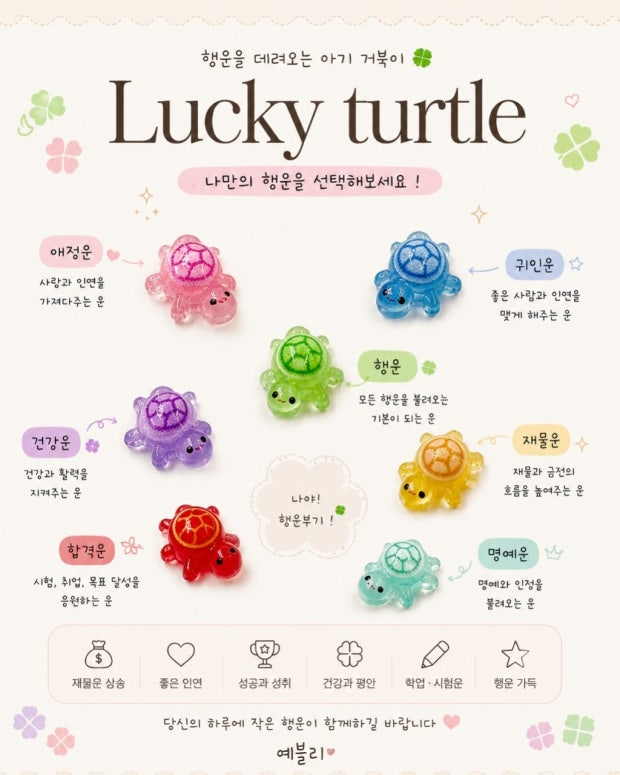
Measuring less than a centimeter, these so-called "lucky turtles" are sold as miniature charms with different colors and designs associated with different types of luck.
Buyers can choose a turtle based on the fortune they seek, or leave it to chance by purchasing a blind box. Each turtle costs between 3,280 won and 22,000 won ($2.40 and $16).
Some of the most popular types of luck include luck of love, friends, health, wealth, investment, fame, and popularity. Other turtles are believed to help the holder meet people of great help, pass exams, or get a dream job.
There is no standardized link between the color of the turtle and the type of luck it brings. Different stores provide a wide range of colors, each associated with a certain luck that individual sellers assign. For example, a red turtle could bring you the luck of happiness.
These tiny charms are often glued to smartphones or carried as bag charms. Many purchase a handful, making a unique combination of lucky turtles based on what their wish.

The hype began when Hwang Se-rin, a pottery artist who owns the brand Animini, showcased porcelain turtles at her graduation exhibition in 2023.
Inspired by the life of a sea turtle that travels into the ocean after facing so many challenges since birth, Hwang thought a turtle's existence is pure luck.
"Usually, turtles mean a long life. However, I thought its existence is luck itself," Hwang told a local media outlet, News Free Zone, adding that every stage of a turtle's life, from hatching from an egg, arriving at sea, and living on, is a continuum of luck.
The idea gives new meaning to a traditional Korean symbol. Turtles have long been associated with longevity in Korea, but now among younger consumers, the animal is increasingly being embraced as a symbol of luck itself.
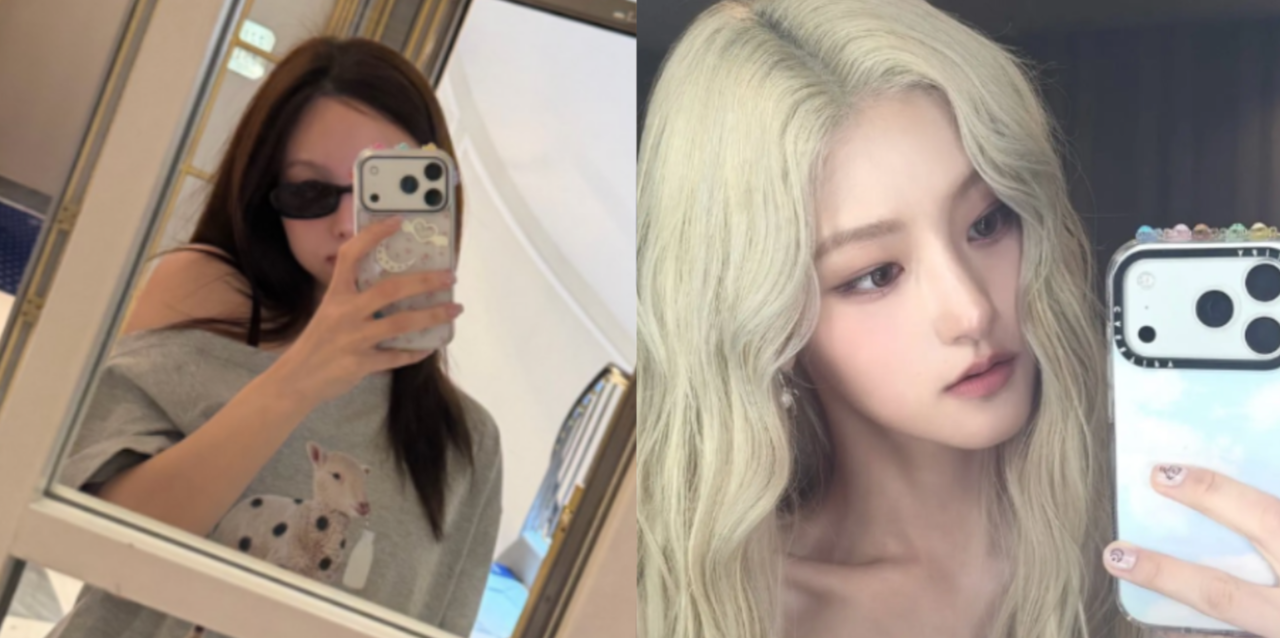
The popularity grew when K-pop stars such as Seventeen's Dino, Twice's Nayeon, Kiss of Life's Haneul, and Ateez's San glued their own lucky turtles to their phones.
Now, a "lucky turtle" has become a catchphrase for younger generations who need a push of luck to make it through a competitive and harsh life in Korea, hoping that the little plastic turtles will provide exactly what one needs.
The trend comes amid another recent Korean trend known as "lucky maxing." It refers to Gen Z maximizing their own luck through daily routines and symbolic actions, instead of waiting for something fortunate to happen. Other examples include carrying four-leaf clovers and charms.