68 sharks were caught in fishing nets off the east coast as of Aug. 11, more than double the 27 recorded in the same period last year
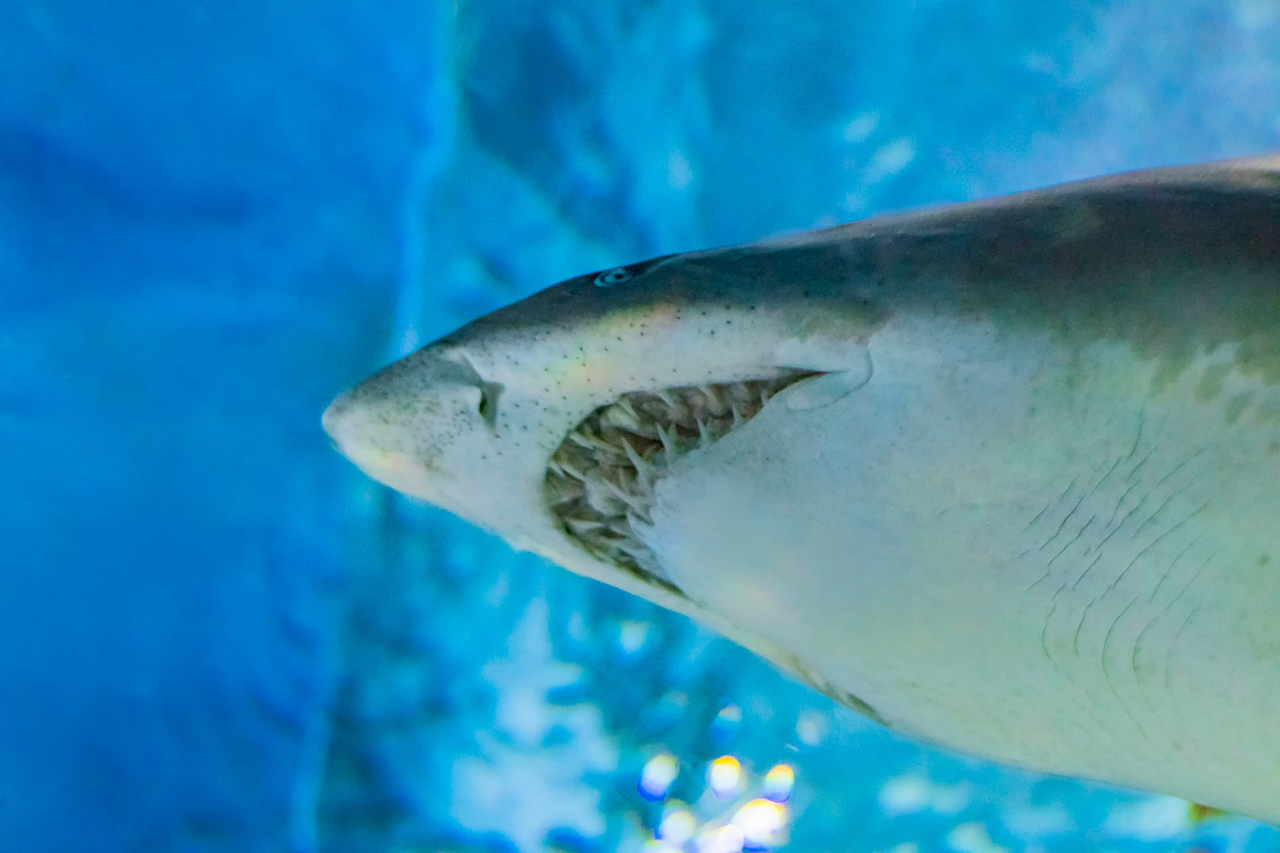
A growing number of sharks, including species known to attack humans, are being spotted in the East Sea as rising water temperatures draw more warm-water fish to the region.
This year, 68 sharks were caught in fishing nets off the east coast as of Aug. 11, more than double the 27 recorded during the same period last year, according to data released by the National Institute of Fisheries Science on Tuesday.
Shortfin makos — large, highly migratory sharks found in temperate and tropical waters worldwide — were the most commonly caught species, accounting for 35 of the total. They were followed by 10 blue sharks, distinguished by their deep-blue upper bodies and white undersides; eight salmon sharks, stout predators known for their speed; five hammerheads, recognizable by their wide heads; five bull sharks, known for their aggressive behavior and two great white sharks.
A shortfin mako was caught off Chuksan Port in Yeongdeok, North Gyeongsang Province, on July 20, according to local reports. Earlier that month, a 2.03-meter great white shark was also found entangled in fishing gear in waters off the county.
Shark fishing is generally permitted in South Korea, although certain species are protected. With little demand for shark meat, however, fishers off the east coast rarely target sharks, and most are caught as bycatch.
Observers point to rising shark catches and warming waters as reshaping the East Sea's marine ecosystem.
“The East Sea’s average water temperature has risen 1.9 degrees Celsius over the past year, bringing more mackerel and bluefin tuna into its waters — and large sharks along with them,” said Kim Maeng-jin, a researcher at the NIFS’ East Sea Fisheries Research Institute.
With an average depth of about 1,600 meters, the East Sea has traditionally supported cold-water species such as pollock, sandfish, herring and squid. But as water temperatures rise, warm-water species — and the large predators that feed on them, including sharks — are becoming increasingly common.
junheee@heraldcorp.com