진행자: 박준희, Chelsea Proctor
Why Korea keeps returning to soccer every four years
기사 요약: 한국인들에게 월드컵은 단순한 스포츠 이벤트를 넘어, 2002년 4강 신화의 기억을 되새기며 온 국민이 함께 응원하는 축제다.
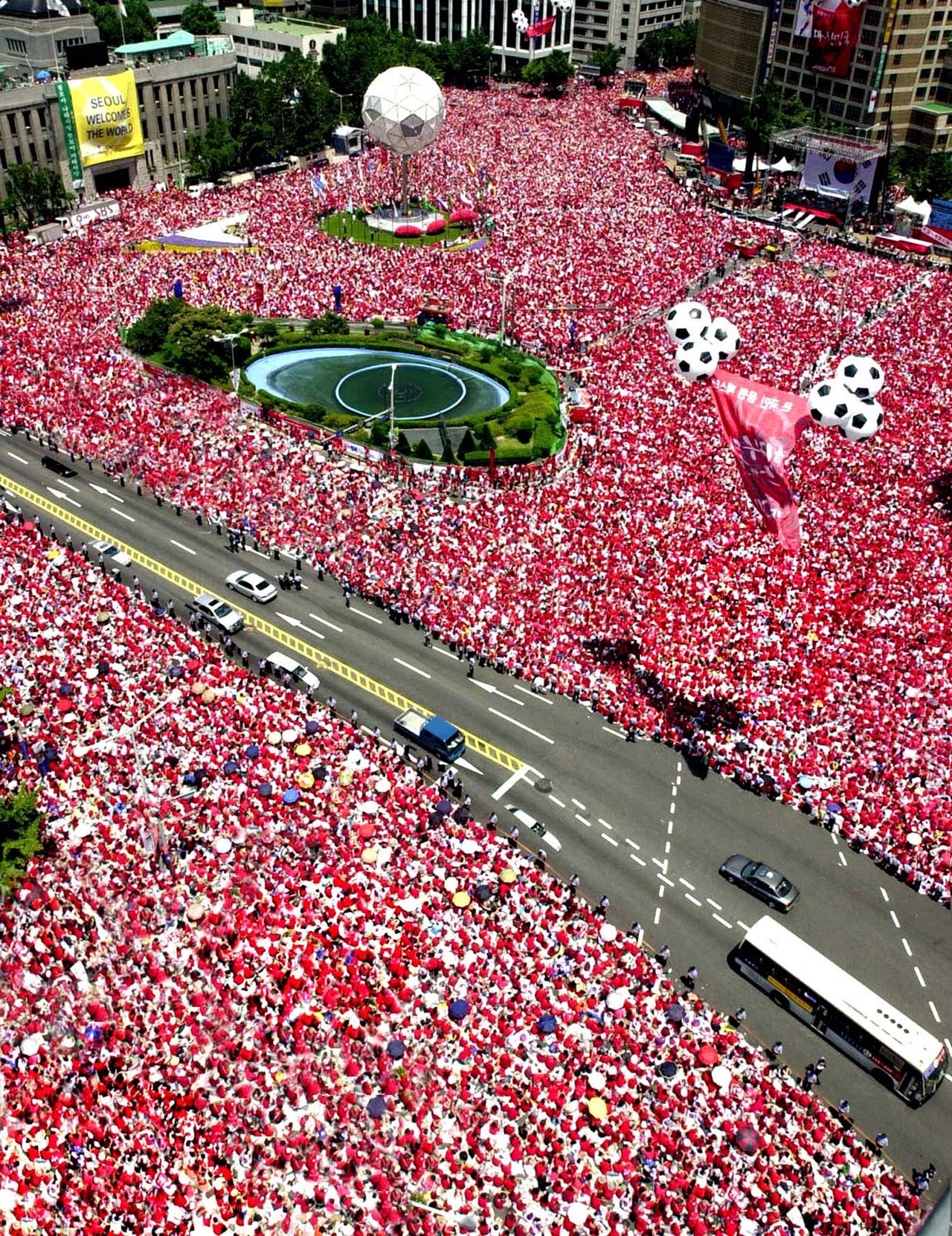
[1] Every four years, something shifts — almost overnight. People who rarely follow soccer start checking kickoff times. Office chatter turns from deadlines to defensive lines. Group chats fill with lineup predictions, referee complaints and late-night watch plans.
shift: 바뀌다
rarely: 드물게
chatter: 수다
late-night: 심야의
[2] Streets grow louder, emotions run higher and a shared sense of national pride takes over. The feeling may be temporary, but few events — not even the Olympics or the World Baseball Classic — stir the same level of collective passion.
take over: 장악하다
temporary: 일시적인
stir: (감정·행동을) 불러일으키다
passion: 열정
[3] Experts point to Korea’s strong sense of collective identity, rooted in shared history and a culture that values social unity, as one reason the World Cup resonates so deeply with the public, even among people who pay little attention to the sport outside the tournament.
collective identity: 집단 정체성
rooted in: ~에 뿌리를 두고 있다
social unity: 사회적 통합
resonate: ~을 상기시키다[떠올리게 하다]
[4] Even before South Korea established itself as a regional soccer powerhouse, the sport had already become a major source of public passion. In the 1960s and 1970s, matches against regional rivals often sparked nationwide emotional reactions, while stars such as Cha Bum-kun — one of the greatest soccer players South Korea has ever produced — became symbols of national pride.
powerhouse: 특정 분야에서 압도적인 영향력과 경쟁력을 가진 강자(강국, 선도 기업, 실력자)
regional: 지역의
nationwide: 전국적으로
symbol: 상징
기사 원문: https://www.koreaherald.com/article/10782862
[코리아헤럴드 팟캐스트 구독]
아이튠즈(아이폰): https://itunes.apple.com/kr/podcast/koliaheleoldeu-paskaeseuteu/id686406253?mt=2
네이버 오디오 클립 (아이폰, 안드로이드 겸용): https://audioclip.naver.com/channels/5404
팟빵 (안드로이드): http://www.podbbang.com/ch/6638
junheee@heraldcorp.com