Neukgu's escape exposes lack of consideration for animal welfare as S. Korea plans to mandate licensing for all 121 zoos
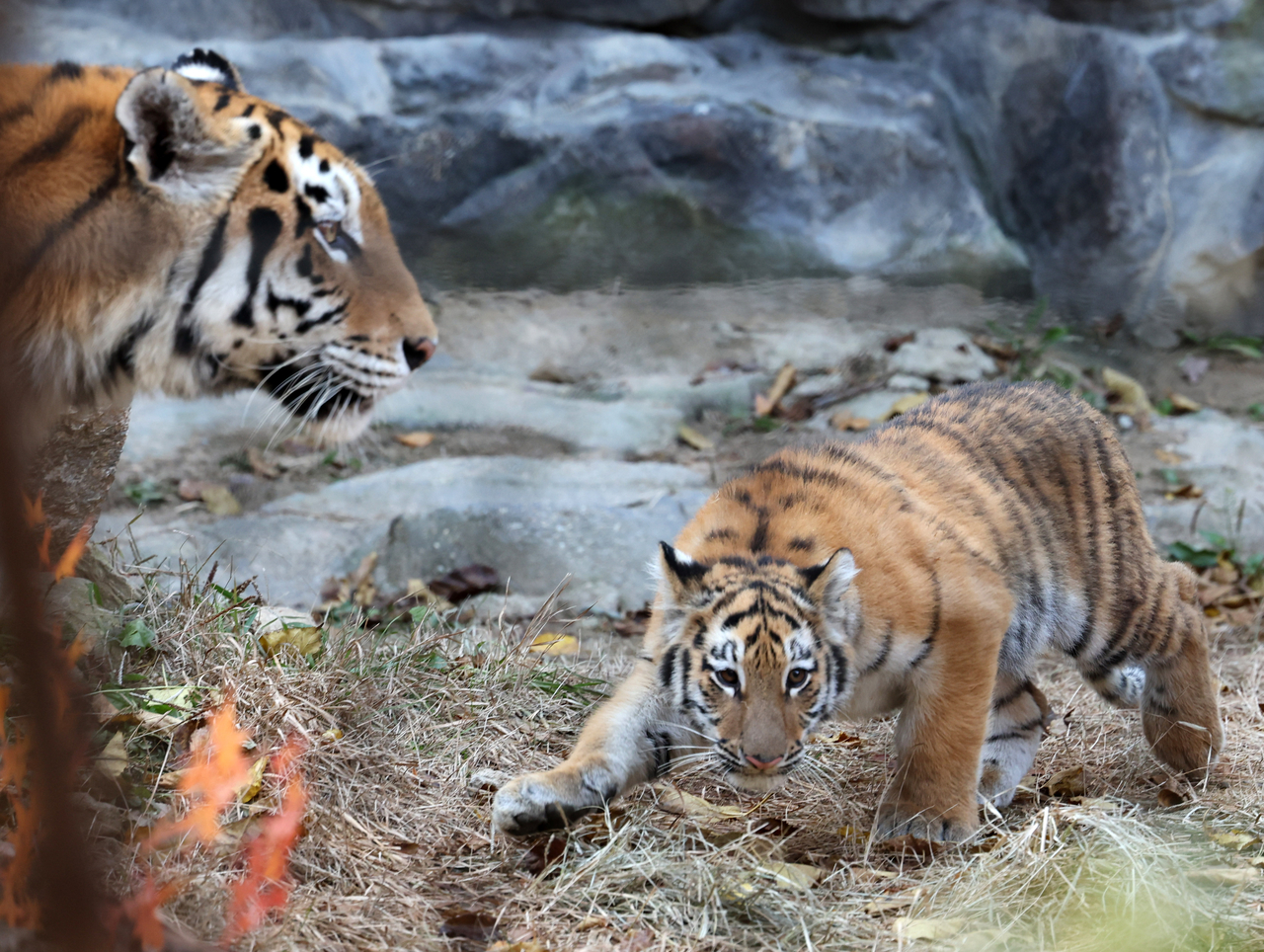
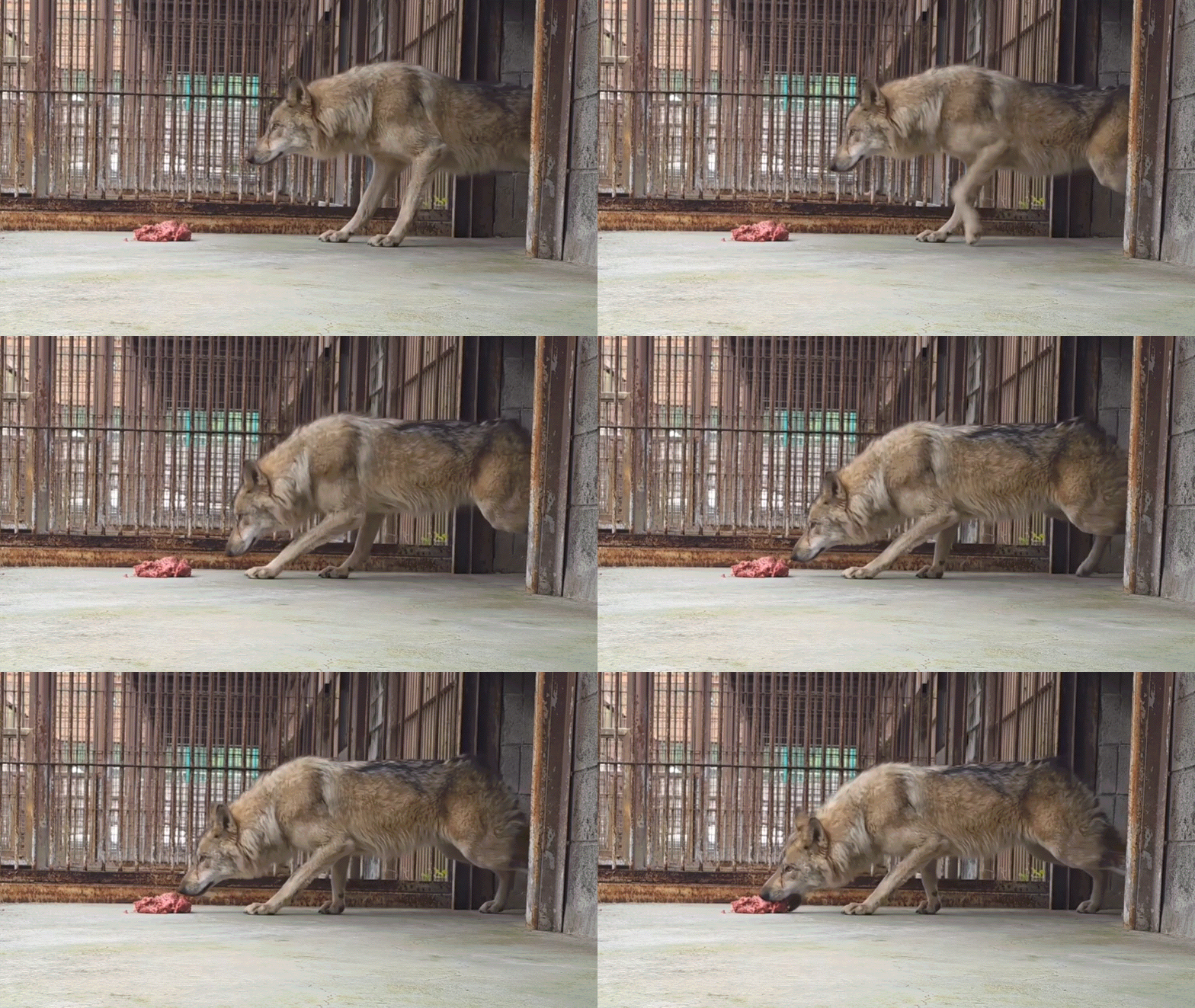
South Korea is moving to toughen zoo regulations by mandating licensing for all of its 121 zoos nationwide following the escape and recapture of Neukgu the wolf from Daejeon O-World theme park.
However, some experts say that measures safeguarding the welfare of animals held in zoos remain insufficient.
Kim Kyeong-seok, director of the Nature Conservation Bureau's biological diversity division at the Ministry of Climate, Energy and Environment, said in a parliamentary debate held at the National Assembly on Wednesday that the government was working to apply stricter standards for zoo management by December 2027, a year earlier than the proposed deadline through a new law in 2022.
"Applying licensing rules for zoos could raise the bar for animal welfare," Kim said.
He added the government was in talks with relevant authorities to secure additional state funds to help some financially strained zoo operators modernize, claiming the animals there might otherwise lose shelter.
South Korea is not new to wildlife escaping zoos. A puma that escaped Daejeon O-World was shot and killed in 2018, while a zebra was returned after it damaged its enclosure and escaped from Seoul Children's Grand Park in 2023.
According to the Ministry of Climate, Energy and Environment, over 57,000 wild animals are kept in South Korea's 121 zoos. Among them, 27 zoos are owned by the public, while 95 are privately held.
A revision to the Act on the Management of Zoos and Aquariums, effective December 2023, mandates that all 121 zoos obtain a license by the end of 2028 and meet a set of criteria to operate. These outline appropriate habitats for captive animals, disease and safety control, and requirements for zookeepers and veterinarians.
By the end of 2025, only 10 of the zoos had obtained such a license.
The government's latest plan, however, prompted criticism.
Choi Tae-gyu, who leads the Project Moon Bear initiative dedicated to rescuing bears in captivity, said now is the time to ditch the structure that allows a private entity to run a zoo, given their often poor understanding of wildlife.
Sero, the zebra that drew media attention after his 2023 escape from the zoo, is still kept alone in its enclosure despite zebras being highly social animals. From an animal welfare perspective, Neukgu's life in the zoo after his capture deserves more media attention than the fact that Neukgu was rescued, Choi added.
An expert said now is the time for public zoos to transition from a place where animals are exhibited for human entertainment to a place where they are protected.
"Public zoos must serve a public purpose," said Kim Jeong-ho, a senior veterinarian of Cheongju Zoo who also appeared in a Netflix documentary, "Weird Veterinarian at Weird Zoo."
"I believe (public zoos) should function as a refuge for homeless wildlife or a venue for high-quality education. I wish zoos would ultimately play the role of animal shelters, starting with public zoos."
Rep. Han Jeoung-ae, lawmaker of the ruling Democratic Party of Korea, also suggested that additional legislation is crucial to tackling loopholes in current animal welfare laws.
Han notes that animals owned by a zoo are regarded as "property" under the current law, meaning that if a zoo goes bankrupt, its animals must be purchased in order to be relocated. He cited the example of a 2016 zoo bankruptcy, in which only one animal in captivity survived.
A zoo operator at the debate session said toughened regulations for zoos could run many South Korean zoos out of business.
"I assume some (zoo operators) are preparing to shut down before the licensing deadline," said Yeo Yong-gu, director of Seoul Zoo, adding that he believed Seoul Zoo would also disappear in 10 years.
"While laws for zoo operation are turning stricter, imports of wildlife species are becoming increasingly harder due to stricter quarantine measures," Yeo said. "Unless animals breed indefinitely, few animals would survive in 10 years as they die out naturally."
consnow@heraldcorp.com