North Korean leader Kim Jong-un has publicly praised both soldiers who took their own lives in combat and those who survived, in remarks believed to be an attempt at managing psychological fallout from North Korean troops captured in the Russia-Ukraine war.
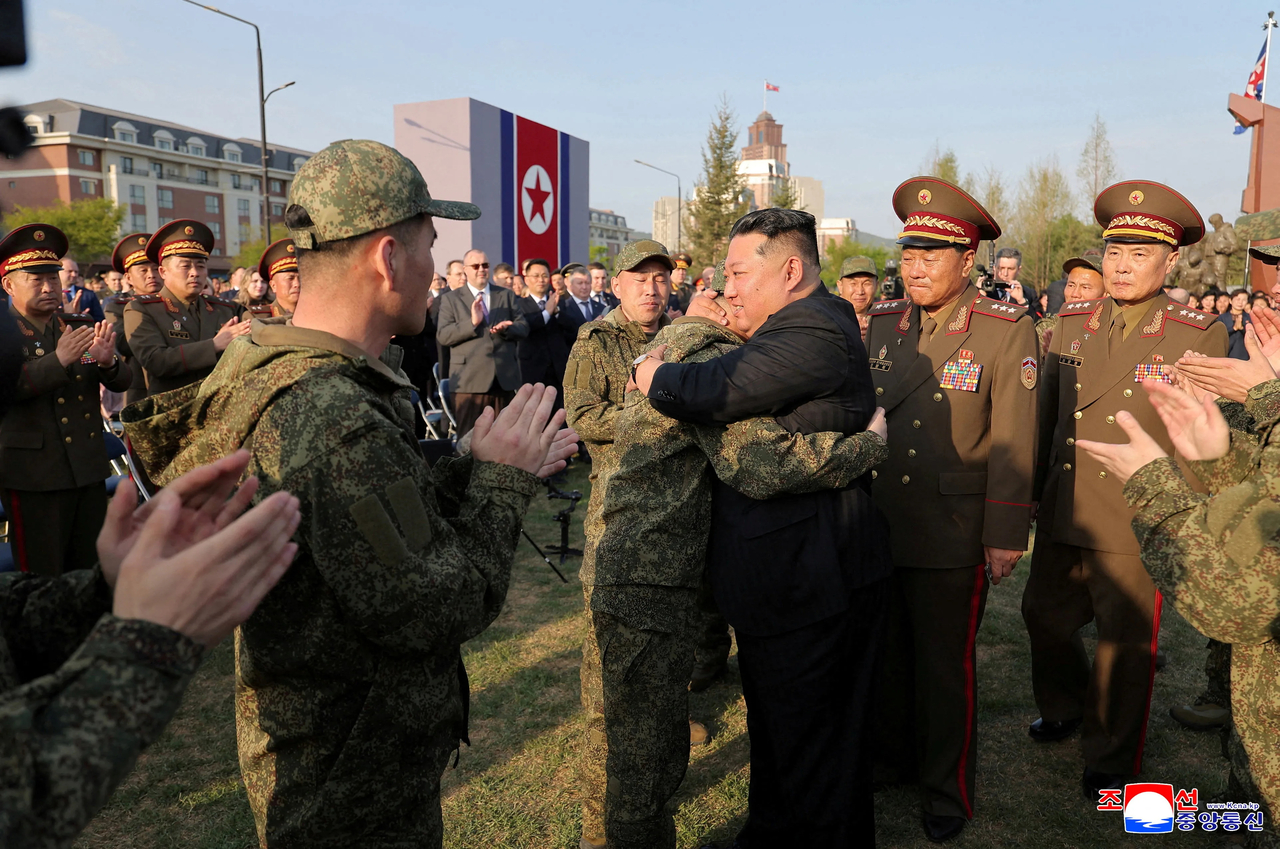
Speaking at a ceremony on Sunday marking what Pyongyang described as operations in Russia’s Kursk region, Kim said, “Those who, in order to defend great honor, unhesitatingly chose the path of self-destruction and self-sacrifice are heroes.”
He also referred to wounded soldiers who did not take their own lives as “loyal fighters” and “patriots.”
The dual message marks the first time the North’s top leader has publicly addressed battlefield suicide, while simultaneously signaling that survival does not necessarily equate to disloyalty. The remarks are seen as reflecting Pyongyang’s effort to maintain internal cohesion among troops deployed abroad.
The comments came after two North Korean soldiers captured by Ukrainian forces during fighting in the Kursk region gave media interviews expressing regret that they had failed to kill themselves before being taken prisoner.
Both have reportedly indicated a desire to defect to South Korea, drawing attention to the risks of morale erosion and potential defections.
Analysts say Kim’s remarks appear calibrated to serve multiple purposes: reinforcing discipline among frontline troops while easing concerns among wounded soldiers and their families, who may fear punishment or stigma. By praising both groups, the leadership may be seeking to prevent divisions within the ranks and sustain overall morale.
At the same time, the message could be directed at captured personnel, suggesting that return remains possible if they demonstrate loyalty, potentially discouraging them from pursuing defection.
The issue is further complicated by Ukraine’s position that prisoners it holds should, in principle, be used in exchanges with Russia to secure the return of Ukrainian captives, raising the possibility that any effort to transfer North Korean prisoners to South Korea could be affected by Pyongyang’s stance.
There are legal and diplomatic implications, too. South Korea considers North Korean soldiers its citizens under the Constitution and has said it would accept them if they express a clear desire to resettle in the South, while opposing any forced repatriation against their will.
Observers say the remarks underscore the North’s continued emphasis on ideological control over its military, even in overseas deployments, and its sensitivity to the political impact of captured troops.
flylikekite@heraldcorp.com