Omnichannel strategy blends styling, e-commerce, city formats to boost access
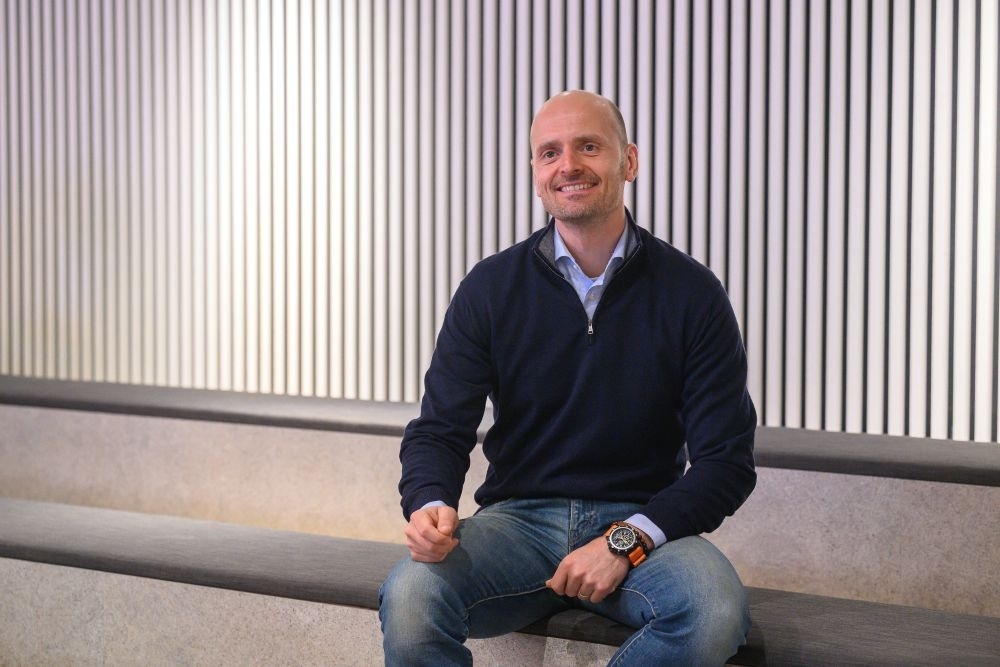
South Koreans are more likely than the global average to view home as a place to unwind, yet less likely to feel satisfied with their own living spaces. So goes the recent finding of internal research by Ikea Korea, and that is the gap it aims to fill, according to Folkert van Keulen, the country commercial manager.
"People want to improve their homes, but they are not always sure how to do it," said van Keulen in an interview with The Korea Herald on Wednesday. "For us, it's about making that knowledge accessible and helping them take that first step."
The insights were not arrived at from a distance. Van Keulen said the company conducted home visits across Korea to understand, firsthand, how people live and what problems they face. That hard-earned knowledge has since filtered into everything from product development to store design.
One response has been a move into tailored styling services, where Ikea helps customers rethink layouts and make small, practical changes.
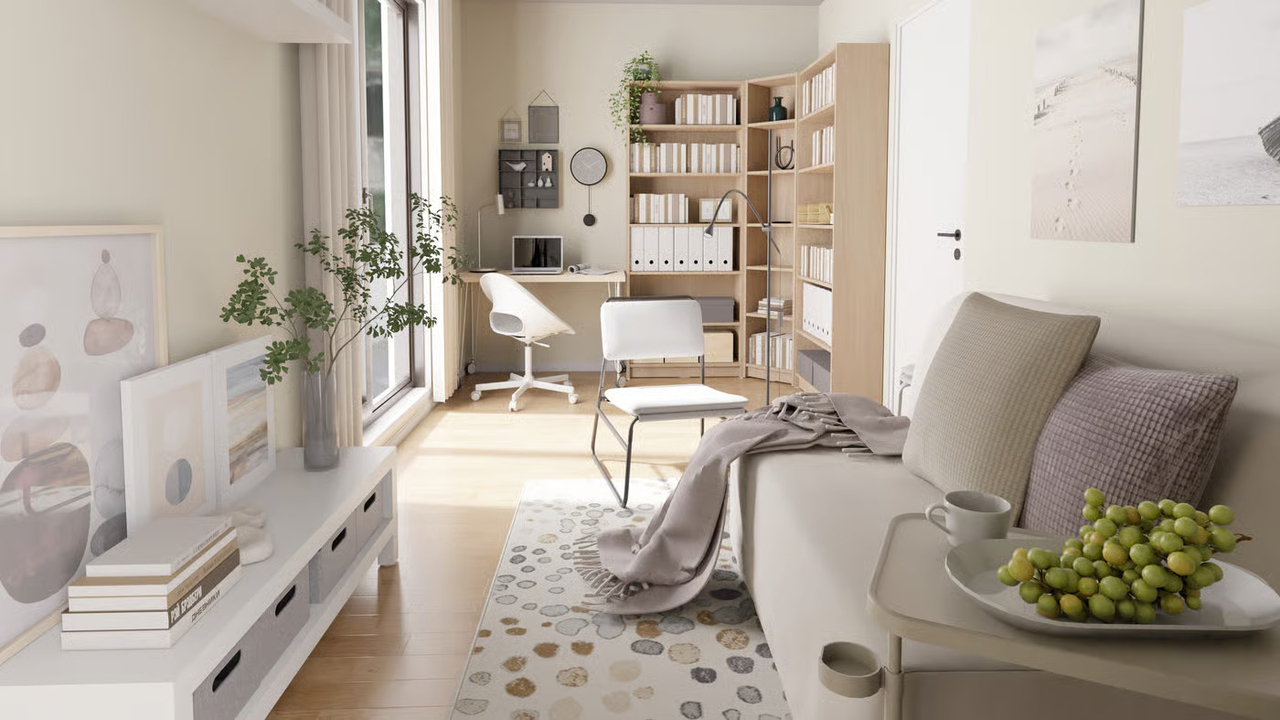
"It doesn't need to be a full remodeling," van Keulen said. "In many cases, it's about small adjustments. It can be one or two pieces of furniture, a different way of organizing a space, or adding textiles that change the atmosphere."
Starting at around 80,000 won ($54), the company's styling service is priced well below competitors, who often charge “hundreds of thousands,” according to van Keulen.
Alongside that sits a more comprehensive kitchen planning and remodeling service covering design, delivery and installation through local partners, with the company signaling that the offering could soon extend to dressing rooms.
That mindset is also finding its way into the product range. Ikea introduced firmer mattresses after finding existing ones too soft for Korean customers, and showroom layouts now reflect the spatial constraints of local apartments.
Stepping closer to consumers here also means reckoning with the online market, where more than half of home furnishing purchases in Korea already take place. Ikea Korea's own digital share sits at just 26 percent of total sales.
The nation's retail landscape has proven as instructive as it is competitive. “Instead of seeing that purely as competition, we see it as something we need to learn from and also participate in,” he said.
Even as the market tilts online, Ikea is not choosing sides, sticking instead to an omnichannel approach across apps, remote sales and platform integrations. To deepen localization, it has adopted Naver Pay and Kakao Pay and partnered with Hyundai Glovis to improve delivery, with more partnerships in the pipeline.
Only then does the question of space come into play.
The large-format "blue box" — Ikea's signature warehouse store located on the outskirts of cities — still matters. But the company has been testing closer urban formats, with a Gwangju location already settled into a mixed-use development.
"If you are planning a kitchen, the large store makes sense and can even be a fun experience," van Keulen said. "But if you just need a few everyday items, customers here expect us to be closer, more convenient and easier to access."
For all its local adjustments, Ikea hews to one constant: price. Its supply chain is built to find savings in the smallest places, such as a tweak in design or a change in packaging, and to feed them back to the shelf.
According to the company, Ikea Korea’s new lower price initiative cuts base prices through efficiency, reducing more than 1,500 items by about 15 percent between 2024 and 2025.
"The starting point for us is always the price," van Keulen said. “From there we design the product to meet function, quality, sustainability and form, so that as many people as possible can afford it.”
minmin@heraldcorp.com