From record heat to cold wave, back-to-back extremes hit S. Korea this spring
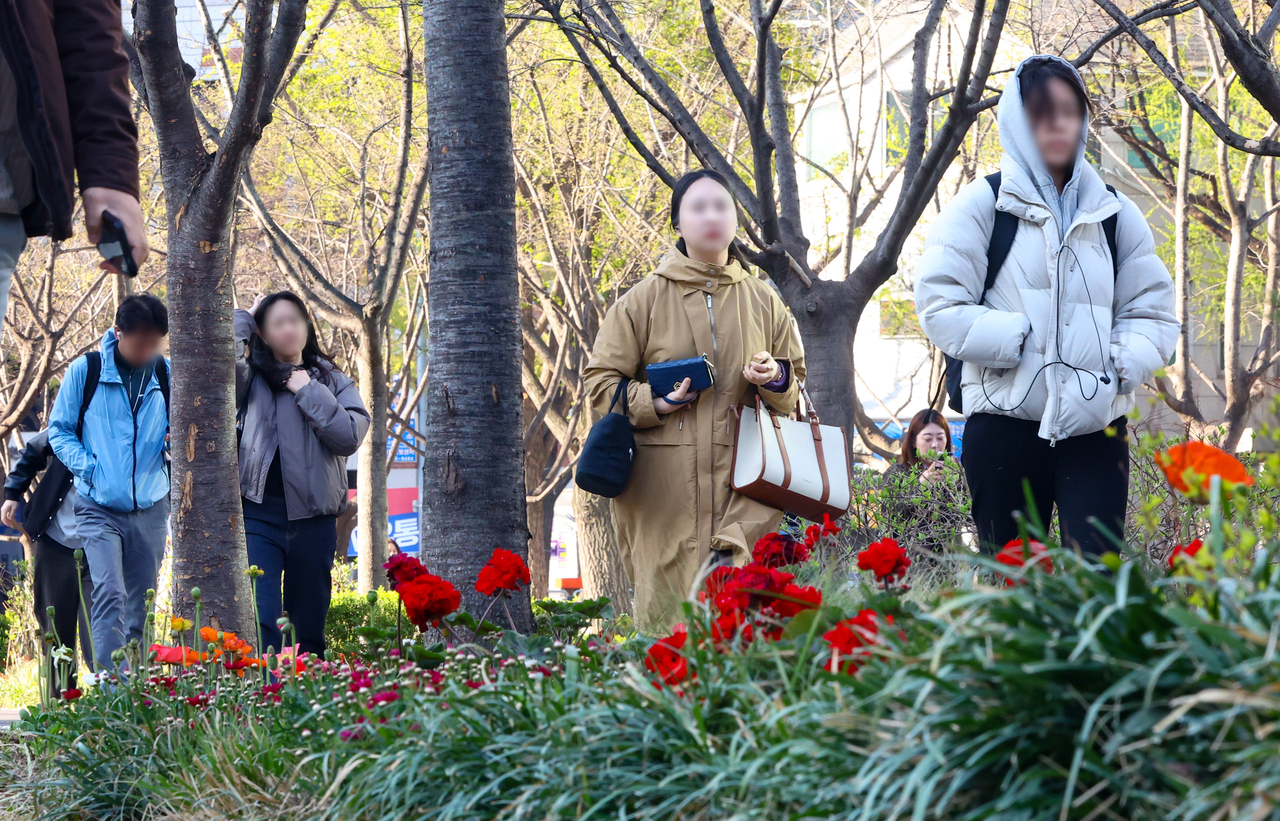
Cold wave advisories warning of a temperature drop of more than 10 degrees Celsius were issued Monday for parts of Gangwon Province as well as South Chungcheong and North Jeolla provinces, marking the latest such issuance since records began in 2005.
According to the Korea Meteorological Administration, morning lows on Tuesday in the southern mountainous areas of Gangwon, as well as Gongju and Geumsan in South Chungcheong Province and Muju in North Jeolla Province, are expected to range between 2 and 11 degrees Celsius, more than 10 degrees lower than a day earlier. Daytime highs are forecast to reach 16 to 22 degrees, with the gap between daytime and nighttime temperatures widening to around 15 degrees.
The sharp drop comes just a day after the capital and other inland areas recorded their highest temperatures ever for mid-April on Sunday, with the mercury reaching 29.4 degrees in Seoul.
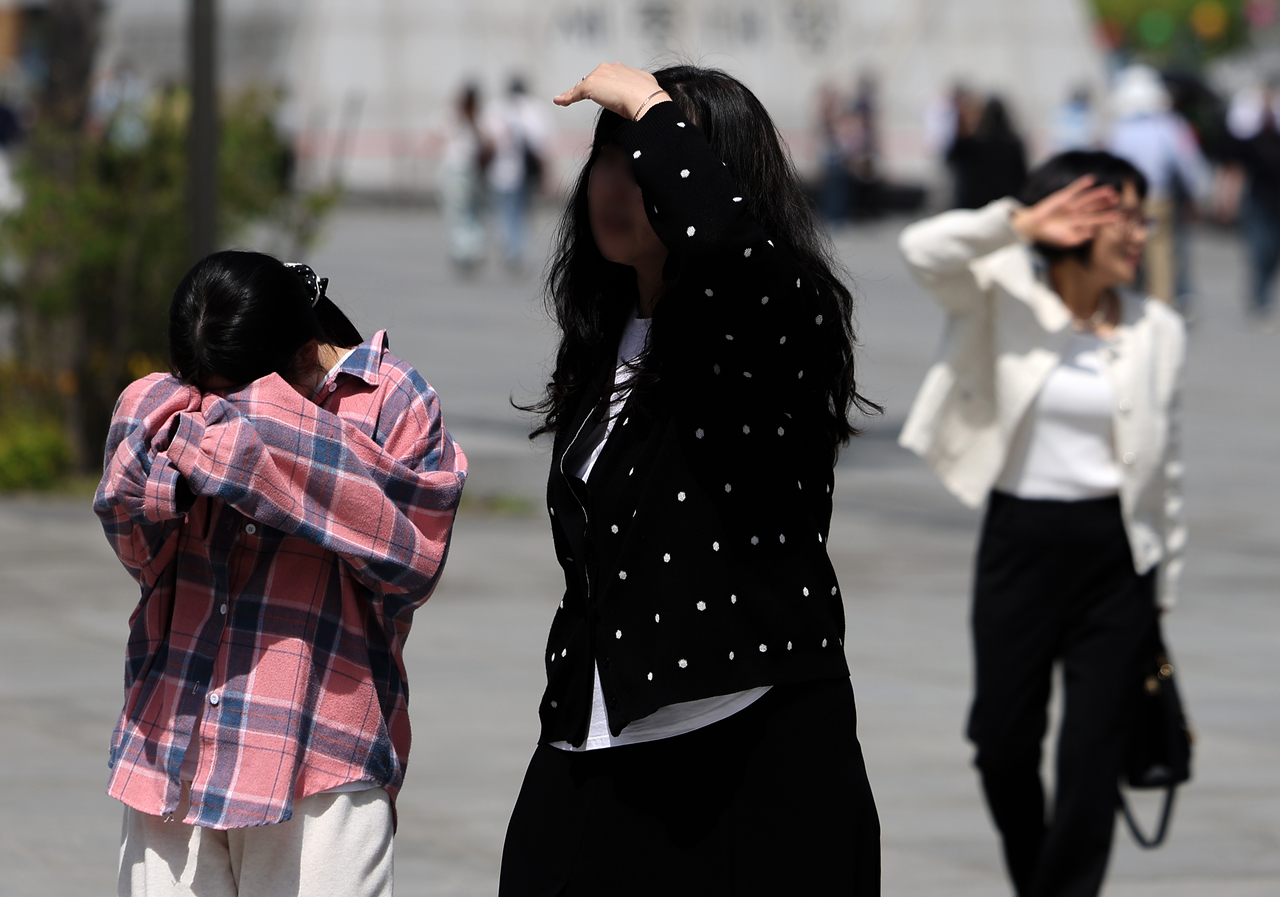
A cold wave advisory is issued when the morning low is forecast to fall by more than 10 degrees from the previous day and remain at least 3 degrees below seasonal norms.
The unusual back-to-back extremes were driven by shifting weather systems. Since April 13, inland regions have experienced unseasonably warm conditions, with daytime highs about 10 degrees above average under the influence of high pressure and warm southeasterly winds. The sudden arrival of cold northerly winds then sent temperatures plunging, triggering the advisories.
The officials urged caution over possible crop damage, frozen water facilities and health risks, warning that morning temperatures could drop sharply, especially in mountainous and inland areas.
ylee221@heraldcorp.com