3 Korean ballet dancers in ABT Studio Company head to gala at Mapo Arts Center
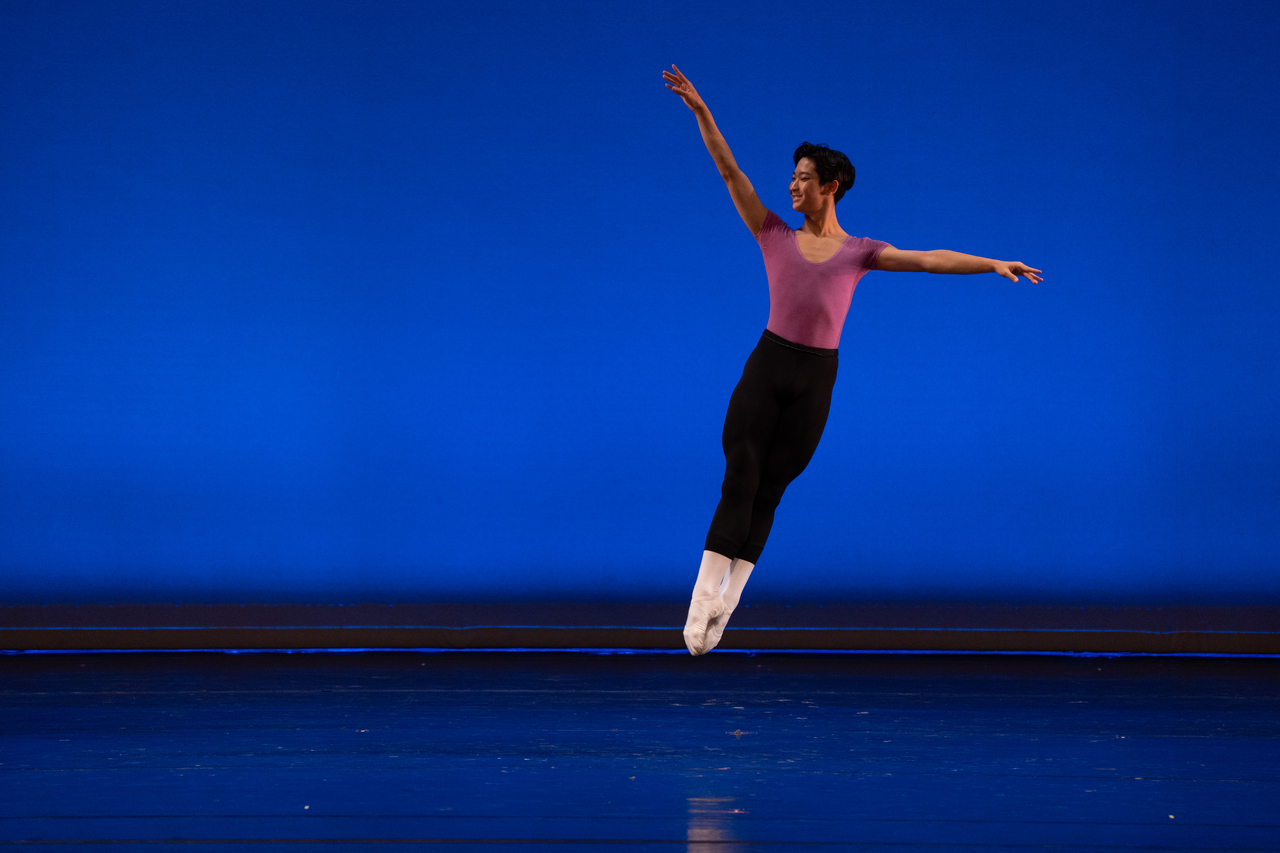
Three of Korea’s brightest young ballet dancers are returning home to show what they’ve learned in a gala homecoming performance.
Park Youn-jae, the first Korean male dancer to win the Prix de Lausanne last year; Park Geon-hee, who took the top prize at the Youth America Grand Prix in 2024; and Park Soo-ha, a 2023 Lausanne finalist, are now training with the preprofessional arm of American Ballet Theatre: ABT Studio Company. The trio will share the stage in Seoul this week for their first performance at home since joining the prestigious company.
ABT Studio Company’s first-ever performance in Korea takes place Friday and Saturday at the Mapo Arts Center, offering a glimpse at the three distinct artistic identities still in the making.
In a written interview with The Korea Herald, they spoke candidly about the contrast between Korea’s rigorous, technique-driven training and the more individual-centered approach encountered in the United States. All three described a shift not only in how they dance, but in how they think about themselves as artists. What struck them most upon joining ABT Studio Company was its emphasis on individuality.
For Park Yoon-jae, the transition has been more about internal recalibration. “What has changed the most is that I’ve started to question myself more, and think more deeply about whether those questions are the right ones.”
He points to a teaching from the company’s artistic director, Sascha Radetsky: “Be kind to yourself.” It is, Park said, both a challenge and a guiding principle.
“In Korea, I was learning as a student. In the US, I am closer to being a professional dancer, so there are naturally differences,” said Park Youn-jae. “In Korea, it was important to refine movements within a set framework. Here, instead of hiding weaknesses, there is more focus on maximizing your strengths.”

Park Geon-hee echoed that sentiment. “Korea places great importance on fundamentals. Here, you’re guided to discover your own color on top of that foundation.”
The breadth of training has also expanded. Alongside ballet, he has been exposed to jazz, choreography and a deeper study of music and ballet history.
Still, he is quick to credit Korea’s system. “The fundamentals we build from a young age in Korea are undeniably strong. In the global stage, you also need to add your own flavor.”
The shift in focus was meaningful for Park Soo-ha as well. “In Korea, I went through very intense training as a student. In the US, I feel like I’ve learned how to enjoy dancing.”
She, too, sees both strength and limitation in Korea’s technique-driven approach. Korean dancers consistently excel in major international competitions, she noted, thanks to their discipline and meticulous technique. “You can see how solid their foundations are,” she said.
“But sometimes, because of the intensity of the training system, ballet can lose its identity as an art form. Individuality can be suppressed, with dancers shaped into a certain mold.” Her hope is for younger dancers to retain Korea’s technical rigor while holding on to their own artistic voice.
All three emphasized the advantages of their current training: exposure to a wide repertoire spanning classical, neoclassical and contemporary ballet, as well as the opportunity to work directly with choreographers.
The upcoming gala curated by Radetsky reflects that range through a program that blends classical and contemporary works.
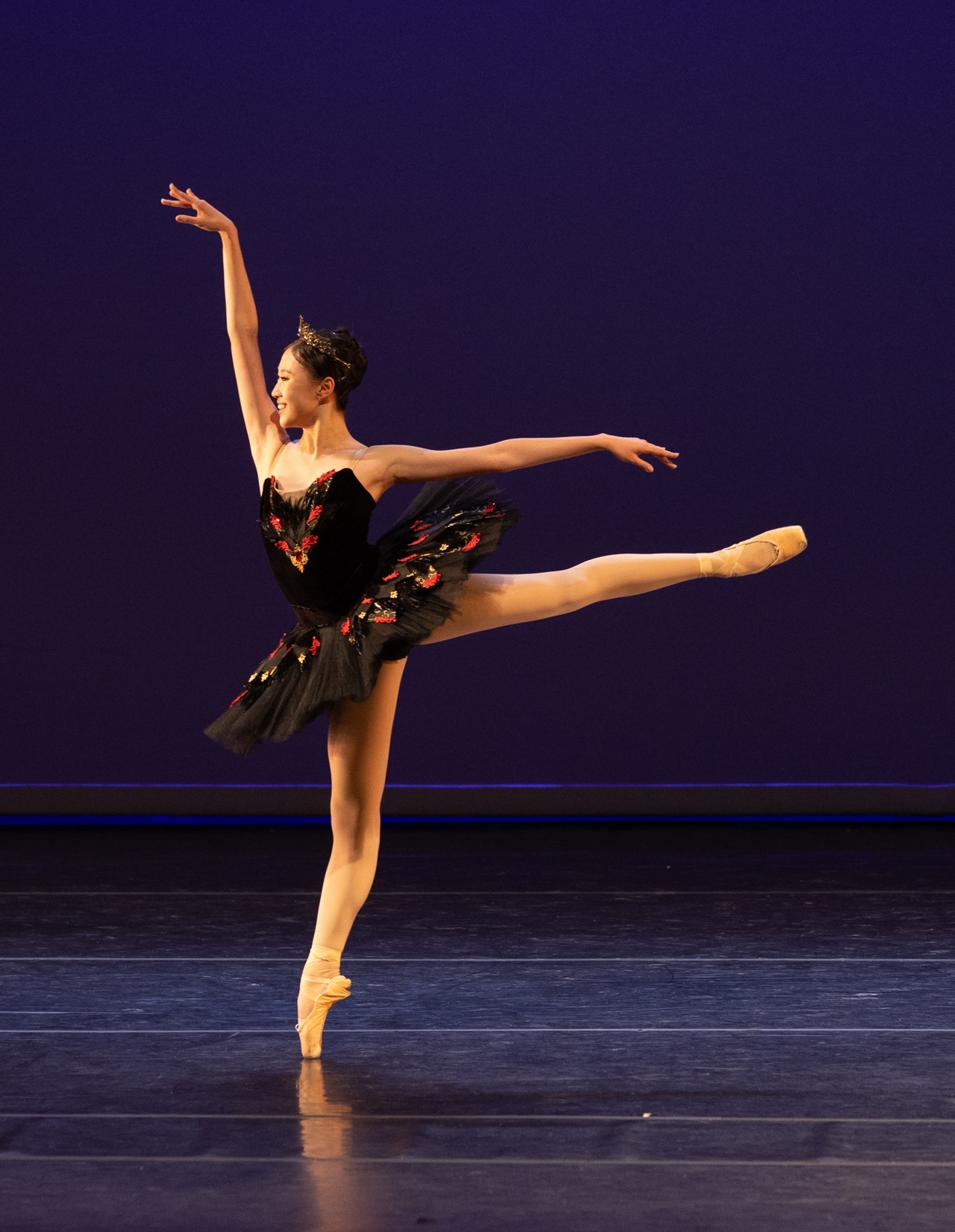
Park Soo-ha will appear in “Grand Pas Classique” and a pas de deux from Christopher Wheeldon’s “An American in Paris.”
“Classical ballet feels like one of my strengths. I feel confident and comfortable performing it,” she said.
Park Yoon-jae will take on a series of dynamic works, including “Bernstein in a Bubble,” “Cerulean Skies,” “Variations for Three” and “La Bayadere.”
“My strengths come through most in pieces that are energetic and physically driven,” he said.
Park Geon-hee will perform four works — two classical and two contemporary — including “La Bayadere” and “Grand Pas Classique.” Though varied in style, he sees them as unified by a single goal.
“They are all very different pieces but I want each one to reflect who I am and how I connect with each character.”
hwangdh@heraldcorp.com