
Samsung Electronics held a dedicated design briefing Thursday for the Galaxy S26 series and Galaxy Buds 4, detailing the thinking behind the design of both products roughly a month after their launch.
The session, led by three MX division design executives, covered design ground that the February Galaxy Unpacked event had largely left to AI and software announcements.

Lee Ji-young, a senior vice president overseeing Galaxy product design, described the most significant change this generation as the Galaxy S26 Ultra's shift to a "softer impression," replacing the sharper corners that had distinguished previous Ultra models. For the first time, all three S26 models share the same corner curvature, making this the first S-series generation with a unified silhouette.
The design team settled on a 7-millimeter corner radius, designated internally as 7R, after evaluating what Lee called the "optimal balance" of grip comfort, visual proportions and overall form. The S Pen tip was also asymmetrically reshaped to match the new curvature.
Some international reviewers have noted the change makes the Ultra harder to distinguish from the Plus at a glance, though Samsung framed the unification as strengthening the S-series family identity.
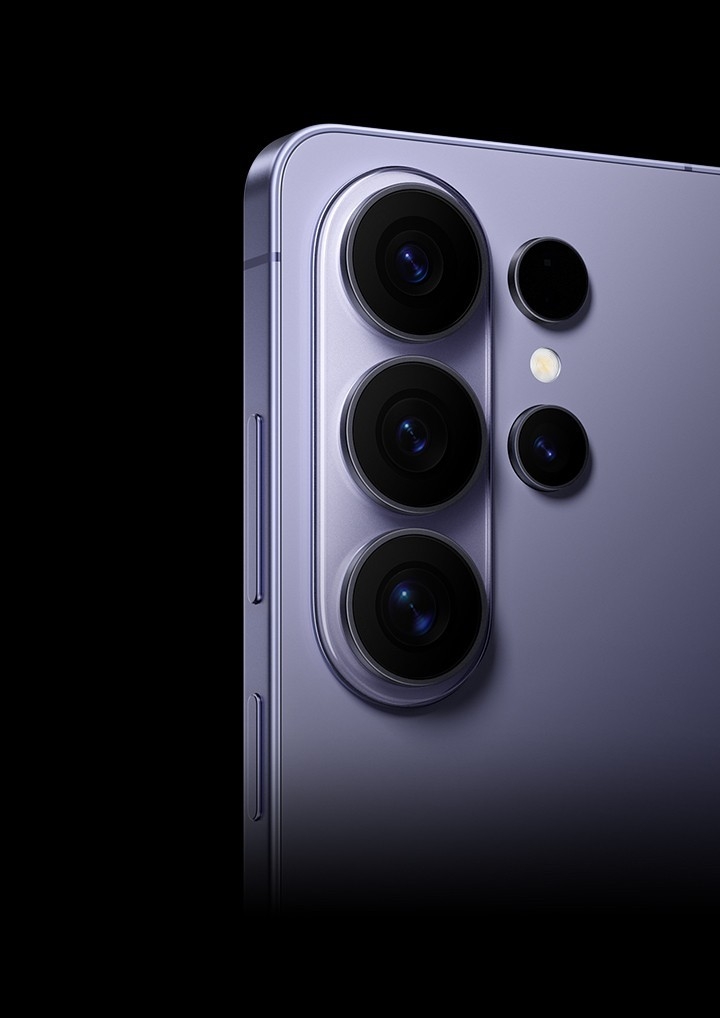
Lee called the slimmer body, trimmed 0.3 mm to 7.9 mm, a key design challenge.
"The thinner the product gets, the harder the design becomes," she said, because high-performance camera hardware risks appearing disproportionately prominent. Samsung's answer was the "ambient island," a slightly raised area around the rear camera cluster with a semi-translucent finish.
The vertical three-camera layout was retained as a "core element of Galaxy's design identity," she said.

The briefing devoted roughly equal time to the Galaxy Buds 4. Song Jun-yong, a design group leader from the MX division, said Samsung used over 100 million ear-shape data points collected through a partnership with the University of Michigan to calibrate fit across three axes: comfort, static stability and dynamic stability. The team "did not simply run simulations to find an average," Song said, but analyzed data across "all ethnicities, ages and genders" to find where the widest range of users could be satisfied.
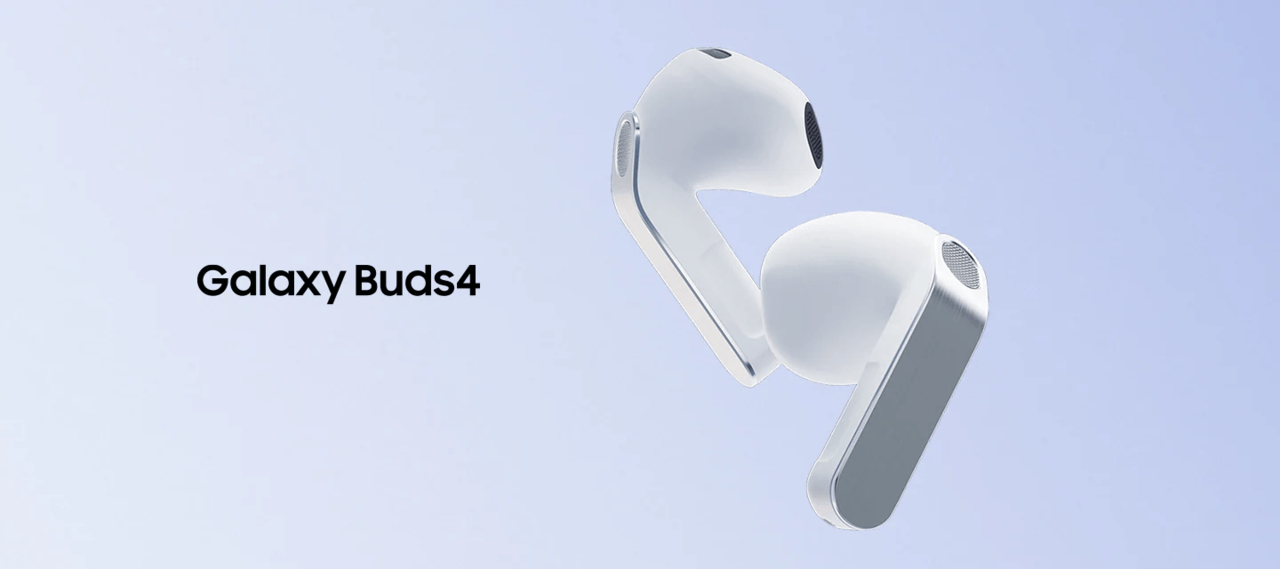
Song also said the Buds 4's flat metal stems were "planned around metal from the very beginning" to project enough "visual impact" to establish Samsung's own wearable identity.
Asked during the Q&A whether the stem design invites comparisons to competitors, Song said the blade form was chosen for practical value, including "grip, swipe usability and pinch control."
Also during the Q&A, Lee addressed the S26 Ultra's switch from the titanium frame used since the S24 Ultra to Armor Aluminum 2, a change unmentioned in the prepared remarks. She said the team's priority was achieving "oneness," a visual and tactile unity between the phone's back and sides, while maintaining premium-grade durability at a thinner profile.
Asked about the parallel timing with Apple, which made a similar material switch on the iPhone 17 Pro last year, Lee did not directly respond.
The briefing comes as Samsung's mobile unit faces rising component costs. Analysts estimate the MX division's first-quarter operating profit fell to around 2 trillion won ($1.4 billion), roughly half the year-earlier figure, as memory chip prices surged.
mjh@heraldcorp.com