Korean chips and German engineering emerge as key strengths in the race for physical AI
South Korea and Germany have long relied on each other's manufacturing strengths. Business leaders say that partnership could become even more important as artificial intelligence moves into factories and vehicles.
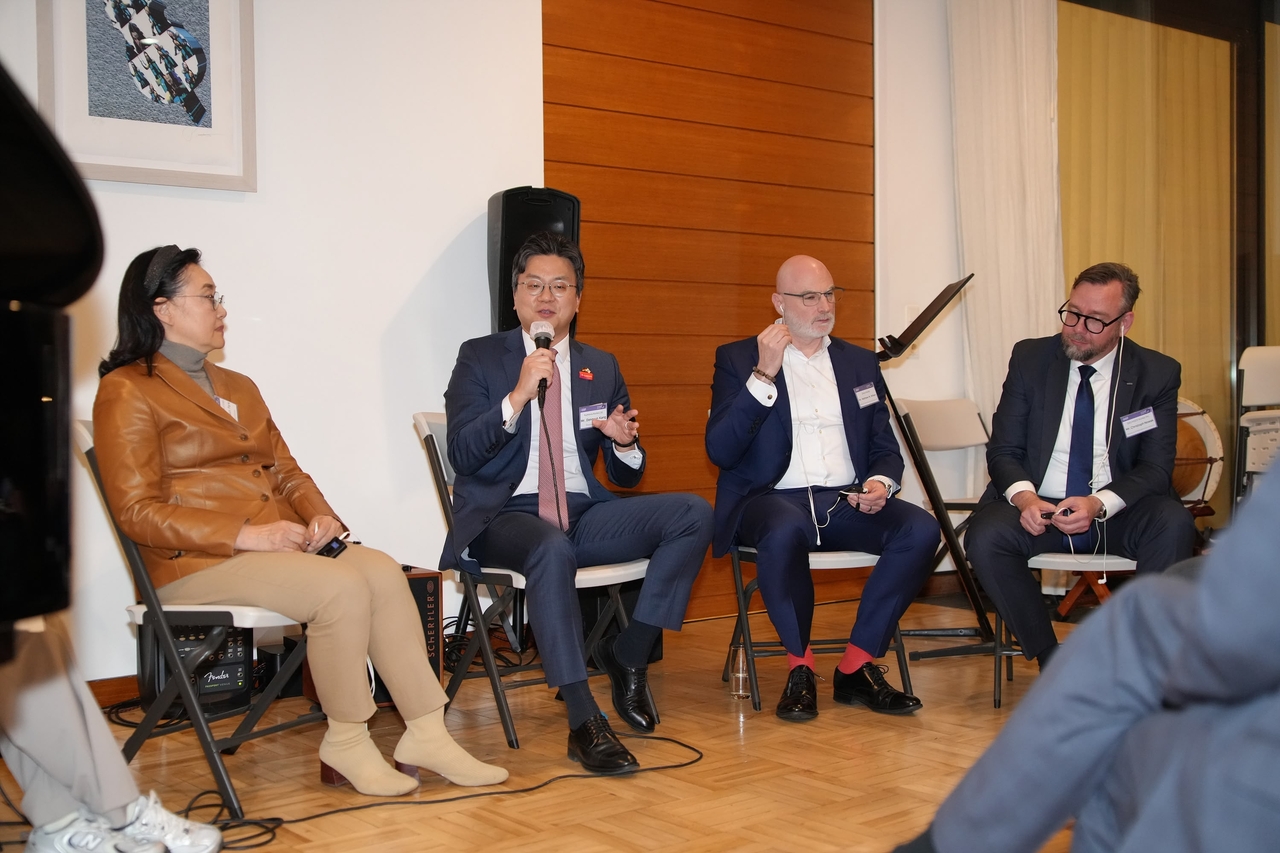
The opportunities and challenges were discussed Wednesday at a special session of the 10th Global Business Forum, hosted by The Korea Herald and Herald Business at the German ambassador's residence in Seoul.
The gathering, themed "Korean-German Business Connect," followed last month's Asia-Pacific Conference of German Business in Seoul, for which Herald Media Group served as an official local media partner.
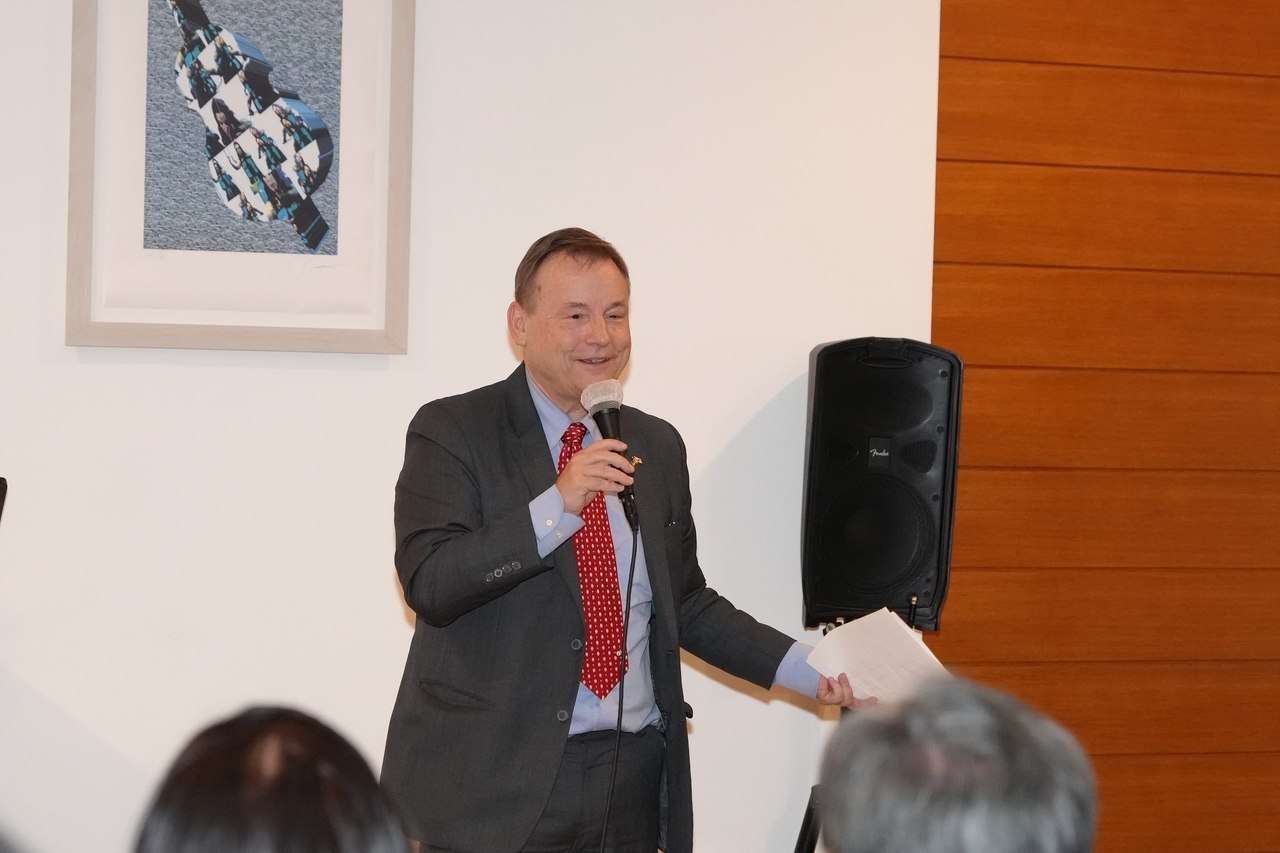
German Ambassador to Korea Georg Schmidt welcomed participants to the residence, which marks its 50th anniversary this year. He highlighted a recently installed section of the Berlin Wall in its garden, reflecting the two countries' shared experience with national division.
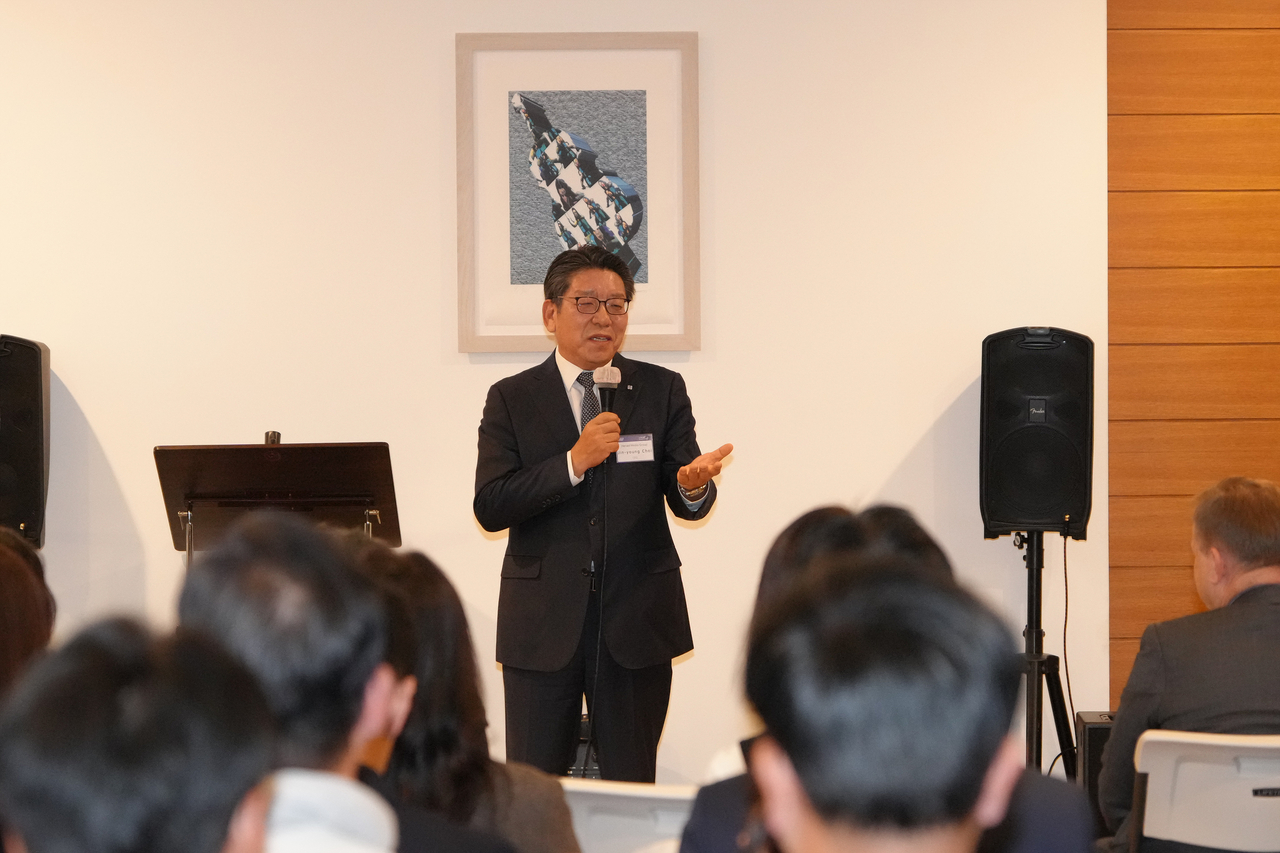
In his opening remarks, Herald Media Group CEO Choi Jin-young drew on a poem by Korean poet Jeong Ho-seung.
"Technology can create new paths, but ultimately it is people who walk them," Choi said, emphasizing the importance of connecting technological progress with culture and human values.
The discussion then turned to physical AI, which allows machines to perceive their surroundings, make decisions and act in the real world.
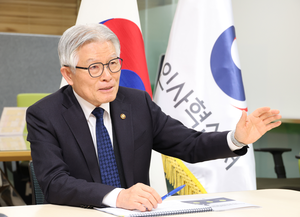
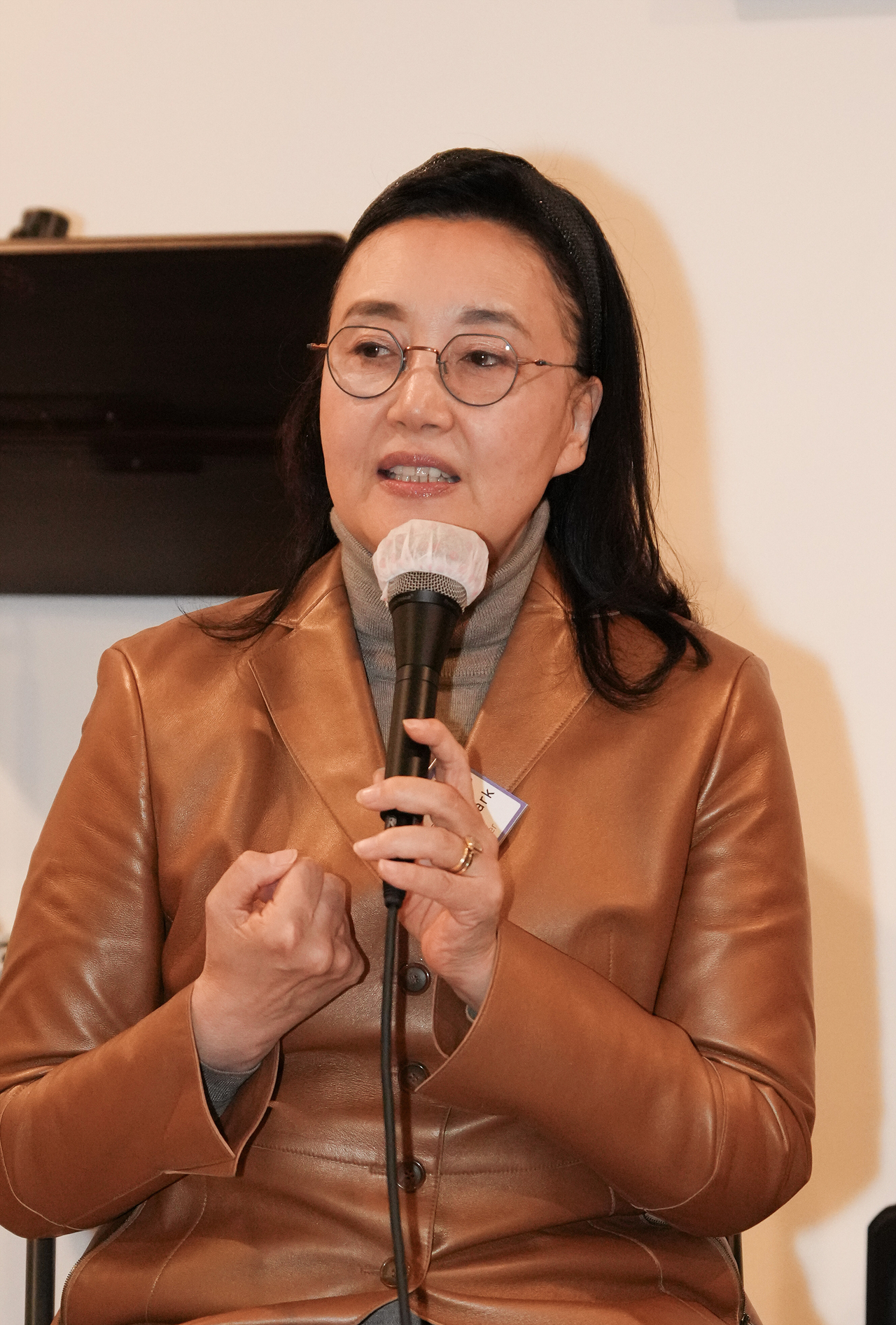
Former Minister of SMEs and Startups Park Young-sun said Korea and Germany had already made substantial progress in factory automation, but the next stage would require machines to operate more independently.
"The key to physical AI is taking the next step, from factory automation to factory autonomy," Park said.
"We need to turn the knowledge and experience of skilled workers into data that AI can learn from," she added, calling for government support and cooperation between businesses to help smaller manufacturers afford the transition.
The semiconductor industry already demonstrates how the two countries' strengths complement each other. Matthew Wilson, head of semiconductor key accounts at ZEISS Semiconductor Manufacturing Technology, explained how the German company's precision optics underpin advanced chipmaking equipment supplied by Dutch firm ASML and used by Korean manufacturers.
Wilson warned that China's technological progress should not be underestimated, urging closer research partnerships between German and Korean institutions.
"Even with the most advanced AI, it is ultimately people who drive innovation," he said.
Beyond chipmaking, automation is creating opportunities in transportation and logistics, where labor shortages are becoming increasingly difficult to manage.
Kang Dong-yun, president and CEO of Aumovio Korea, the automotive technology company spun off from Germany's Continental, pointed to commercial trucking as an early market for autonomous driving.
"Whoever establishes the rules first will ultimately take the lead in the market," Kang said, urging countries to develop common safety standards.
Christoph Nowak, German chairperson of the Korean-German Chamber of Commerce and Industry and managing director of logistics company Dachser Korea, offered a perspective from the warehouse floor.
"Introducing packaging robots and autonomous driving technology is not about taking people's jobs away," Nowak said. "It's about replacing difficult work that people increasingly don't want to do."
mjh@heraldcorp.com