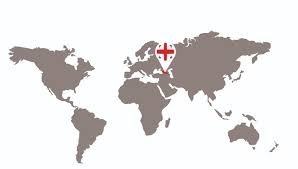
Today, Georgia positions itself as one of the most dynamic and fastest-growing economies on the European map. Despite a complex regional geopolitical landscape and global challenges, the country has successfully maintained political stability while consistently improving its economic indicators.
According to data from the last five years, Georgia leads Europe in terms of economic growth rates. Between 2021 and 2025, the average annual growth reached 9.3 percent. The International Monetary Fund forecasts the country will remain among the world’s top ten fastest-growing economies. This confidence is further bolstered by international financial markets; when Georgia placed $500 million in Eurobonds on the London Stock Exchange, demand surged to $2.8 billion, far exceeding expectations.
One of the most prominent examples of trust in Georgia’s economic policy is the entry of the world-class developer Eagle Hills, which has committed to a $6.6 billion investment. Commencing a project of this magnitude in the real estate sector serves as a direct signal that global players view Georgia as a reliable and high-prospect partner.
For Korean investors, Georgia is particularly attractive due to its unique trade regimes. It is the only country in the region that holds Free Trade Agreements with both the European Union and China, as well as Turkey, the CIS countries, and others. This means that products manufactured in Georgia enjoy duty-free access to a consumer market of 2.3 billion people.
The Georgian business ecosystem is built upon several key strengths:
Favorable Business Environment — Georgia stands out in the World Bank’s Business Ready rankings, where it ranks 2nd in the Operational Efficiency pillar, reflecting the nation's strong emphasis on streamlined business processes and robust regulatory standards. Among key indicators, Georgia ranks 8th in business entry, 4th globally for business location (related to land and property transfer, registration and building permitting), 9th for taxation, and 9th for financial services, underscoring its highly favorable business environment.
Liberal Tax System — The "Estonian Model," where corporate income tax is applied only upon dividend distribution, provides businesses with optimal opportunities for reinvestment.
Technological Hub Status — For IT companies, corporate and personal income taxes are reduced to a symbolic 5 percent.
Anti-Corruption Leadership — Georgia consistently outranks several EU member states.
Streamlined Bureaucracy — The digital transformation of state services has made business registration and management unprecedentedly simple.
Furthermore, Georgia is maximizing its geographical location within the "Middle Corridor," significantly reducing transit times for cargo moving from Asia to Europe. Massive projects underway include the construction of the Anaklia Deep Sea Port, the modernization of the railway system, and the expansion of high-speed highways.
In parallel, the country is placing a special emphasis on green energy, with production projected to reach 12,500 megawatts by 2035. A project of strategic importance is the Black Sea Submarine Electricity Cable, which will directly connect Georgia to the EU power grid. This offers investors a unique opportunity to export clean energy directly to Europe.
In conclusion, with over $8 billion in Foreign Direct Investment attracted in the last five years, Georgia’s economic vision has proven its effectiveness. The country is ready for close cooperation with Korean businesses to jointly capitalize on these new opportunities connecting Europe and Asia.
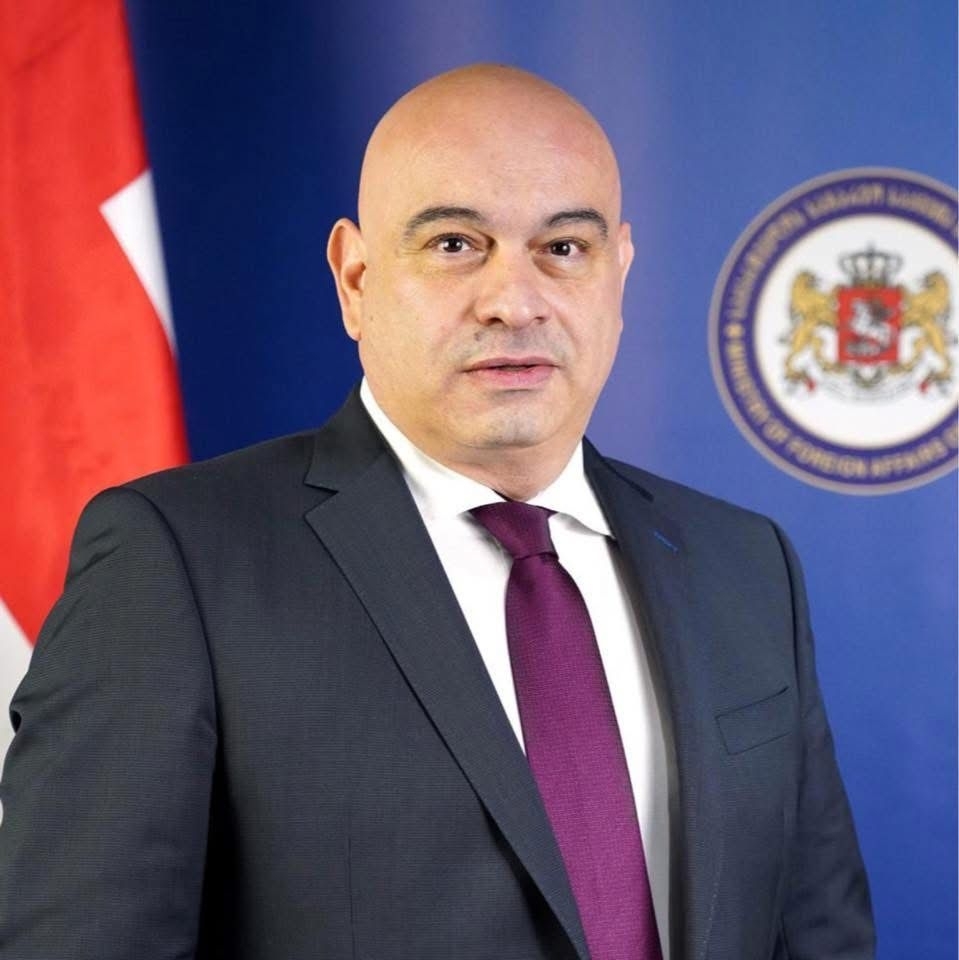
Mikheil Tigishvili is charge d'affaires at the Georgian Embassy in Seoul — Ed.
khnews@heraldcorp.com