Older mixed-use buildings remain in regulatory blind spot, increasing risk of fire
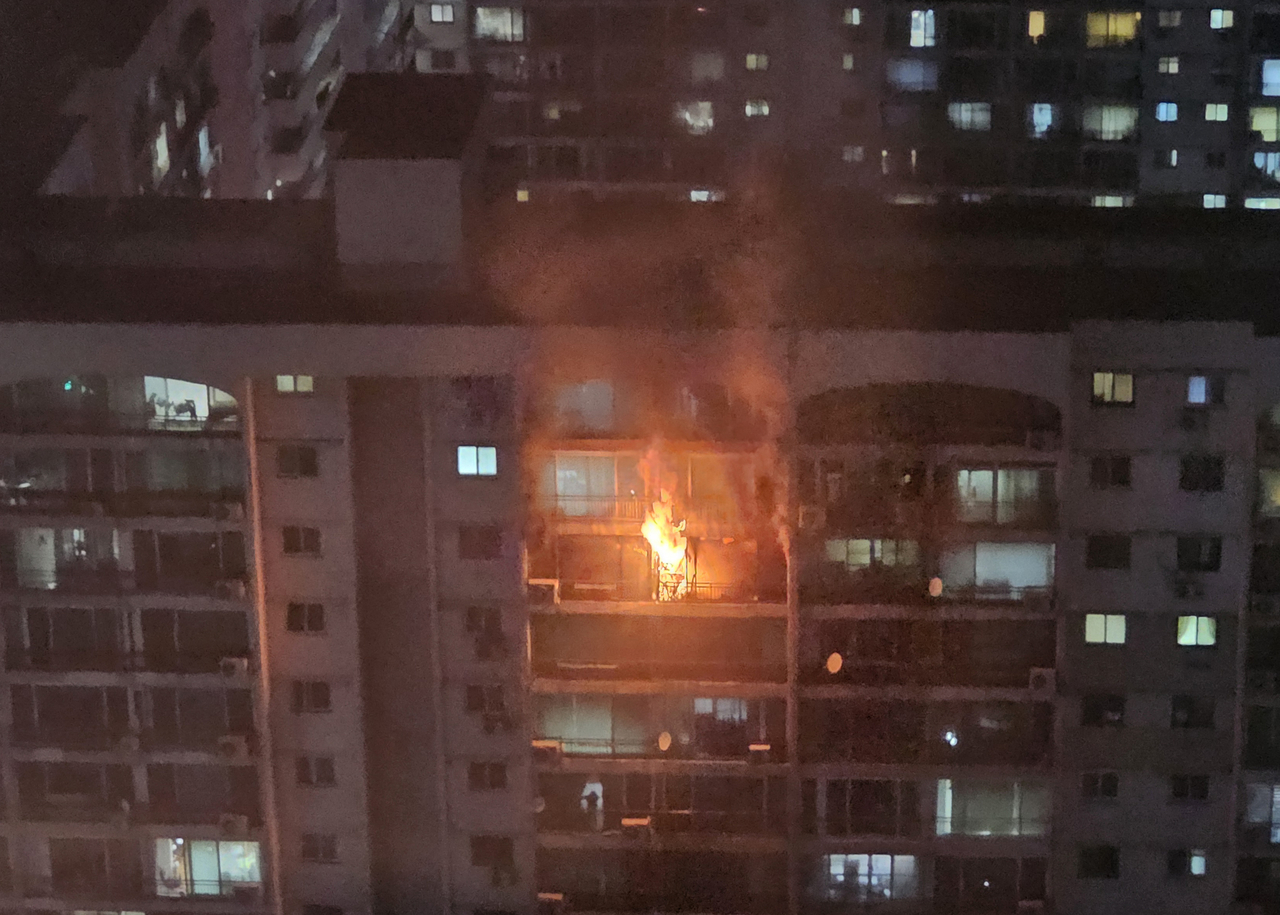
A series of fires in older buildings across Seoul has renewed calls to expand sprinkler requirements to those built before the law required their inclusion.
At least three incidents have occurred in buildings over 30 years old in Seoul over the past month, including the March 14 fire in Seoul at a hotel with mostly foreign guests.
A lack of measures to contain fires at their earliest stages is increasingly cited as a key factor in the severity of hotel and apartment fires. However, costs and technical constraints have continued to stall legislative efforts.
Fires at older hotels have led to deaths, including a 2024 hotel fire in Gyeonggi Province that killed seven people.
The fire triggered calls to extend sprinkler obligations to older buildings constructed before such requirements were introduced, but the legislation foundered.
The government is reconsidering the retrospective application of sprinkler regulations. Experts, however, stress the need for more immediate and practical measures, given that older buildings still account for a large share of the country’s housing stock.
Recurring fires without sprinklers
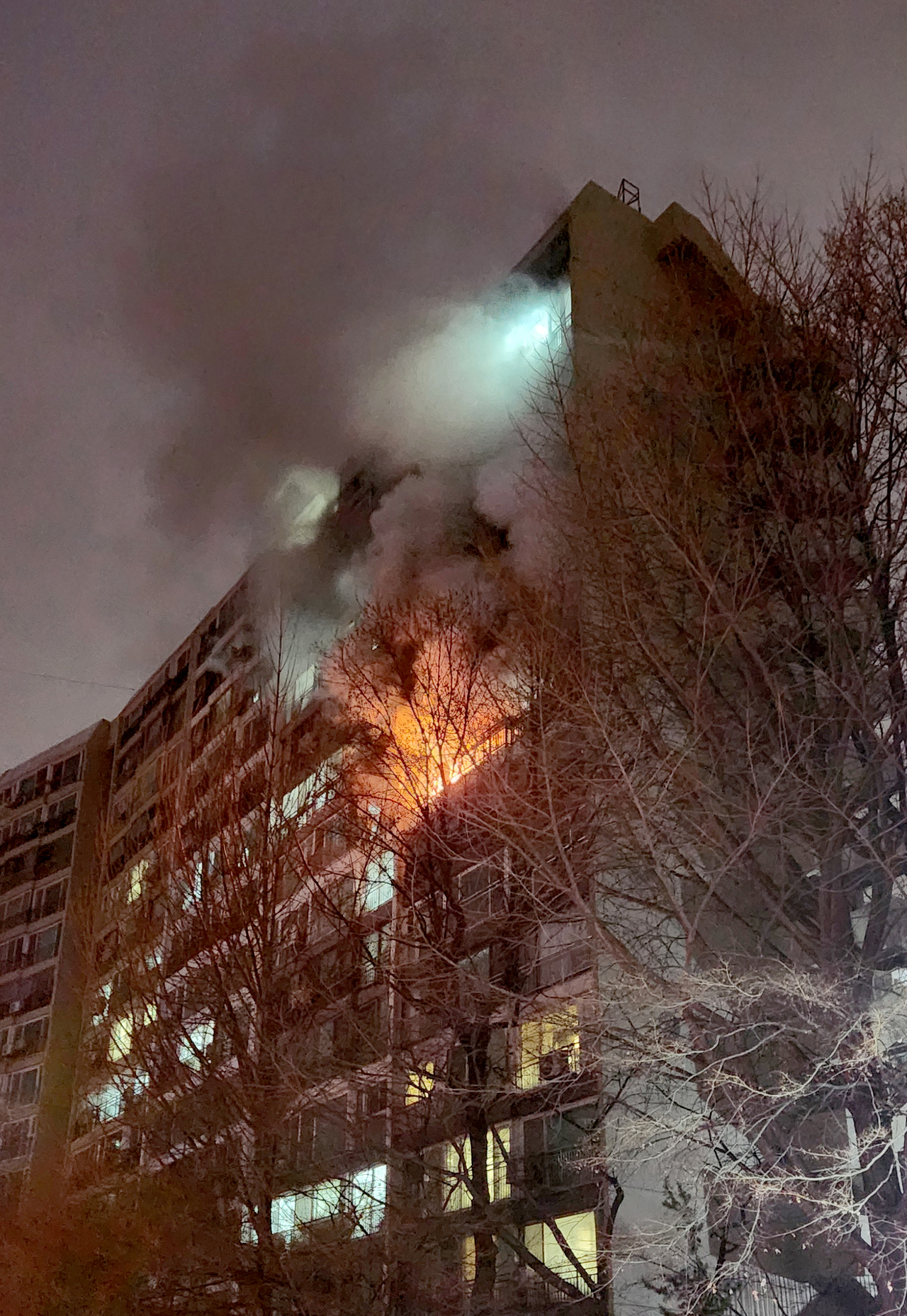
On Monday night, a fire broke out at Jangmi Apartment in Songpa-gu, southern Seoul. No injuries were reported, but the blaze caused about 20 million won in damage and spread to the balcony of an apartment on the floor above.
The complex, which opened in 1979, is among the oldest large residential buildings in Seoul. Its age is believed to have made fire containment more difficult.
Sprinkler requirements for apartments have been gradually expanded, from applying only to buildings over 16 stories in 1992 to covering all floors in buildings of six stories or more since 2018. For hotels and other guest accommodation, the rules initially applied only to rooms on the 11th floor or higher in 1992, before being expanded to the sixth floor and above in 2018.
However, these regulations apply only to buildings constructed after the new regulations were implemented, excluding a substantial proportion of the nation's buildings.
The fire alarm system was reportedly not functioning at the Jangmi Apartment fire due to poor maintenance. Fire engines also struggled to access the site because of tightly parked vehicles, reflecting a parking layout designed for much lower car ownership at the time of construction.
The incident followed earlier cases in Seoul where the absence of sprinklers was highlighted. A capsule hotel fire in Sogong-dong on March 14 left 10 foreign visitors injured, with one still unconscious.
Another fire at Eunma Apartment in Gangnam-gu claimed the life of a 16-year-old girl in late February. The nearly 50-year-old complex also lacked adequate fire safety systems, and fire engines faced access difficulties.
The government has been considering mandating sprinkler systems in aging apartment complexes, according to the Ministry of the Interior and Safety on Thursday.
Data from fire authorities show that 51.2 percent of apartment complexes nationwide lacked sprinkler systems as of December 2025. For accommodation facilities, the installation rate stood at just 13.6 percent as of June 2025.

Skepticism stems from past failures
Experts say retrospective application would be difficult, citing previous failed legislative attempts.
“It is more realistic to conclude that the government has effectively concluded that retrospective application is not feasible,” said Lee Young-ju, a disaster prevention professor at Kyungil University.
He noted that cost is not the only barrier. Installing sprinklers in older buildings requires substantial space for piping, pumps and water tanks, which were not factored into the original designs. Large-scale reconstruction would also cause considerable inconvenience to residents.
Immediate, practical measures needed
While acknowledging them as the most effective option, experts emphasized that fire prevention strategies should not focus solely on sprinklers.
Experts say enhanced prevention measures — such as regular inspections of electrical facilities, increased patrols and improved safety practices among residents — are a more realistic approach, as a large-scale reconstruction of older buildings is unlikely.
“As hardware is difficult to change, we need to improve software, such as better safety management by residents and building managers,” Lee added. “Given the limited number of personnel capable of managing fire safety facilities, expanding trained personnel and tightening inspections could help reduce risks.”
forestjs@heraldcorp.com