SK hynix, the world’s leading manufacturer of memory chips, is piloting a bilingual work policy in parts of its organization, requiring employees to use both Korean and English in daily tasks, as it looks to strengthen global competitiveness, industry sources said Sunday.
The move has been introduced in the company’s artificial intelligence infrastructure division, a key unit that communicates with global customers including Nvidia. The division recently adopted a rule requiring emails and documents to be written in both languages.
Led by veteran strategist Kim Ju-seon, the unit is responsible for planning global sales of AI memory chips and road maps for next-generation products.
The company is also changing the division into an English-centric structure, including renaming it in English, expanding English use in internal systems and encouraging executives to use English nicknames in meetings, sources said.
“It is a pilot effort to create an English-speaking work environment, starting with the AI infra division that has extensive engagement with overseas customers,” an SK hynix official said.
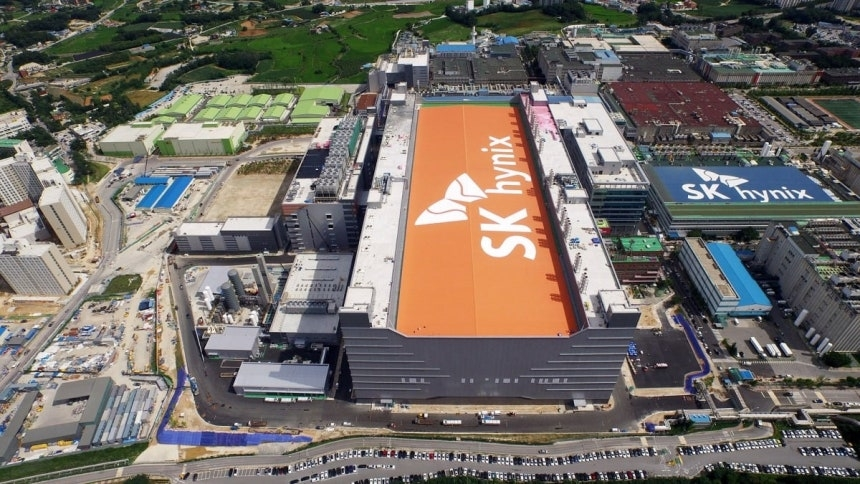
The company had said at an internal event at its campus in Icheon, Gyeonggi Province, late last month that it would seek ways to make English part of everyday workplace use.
The chipmaker is also stepping up employee training to support the transition. It has launched global internship programs for staff in research and business roles and is reviewing additional measures to expand English usage across the company.
The initiative reflects a broader trend among South Korea’s tech firms to adopt English-based work environments to improve global collaboration.
Samsung Electronics, Samsung Display and Samsung Biologics have recently introduced policies requiring documents exchanged between domestic and overseas offices to be written in English, aiming to reduce delays and duplication caused by translation.
herim@heraldcorp.com