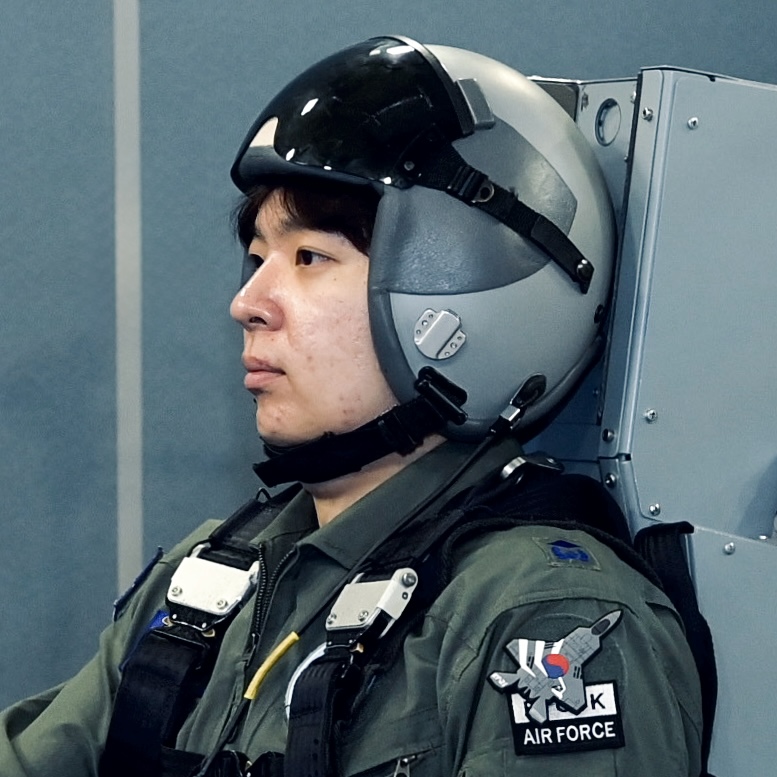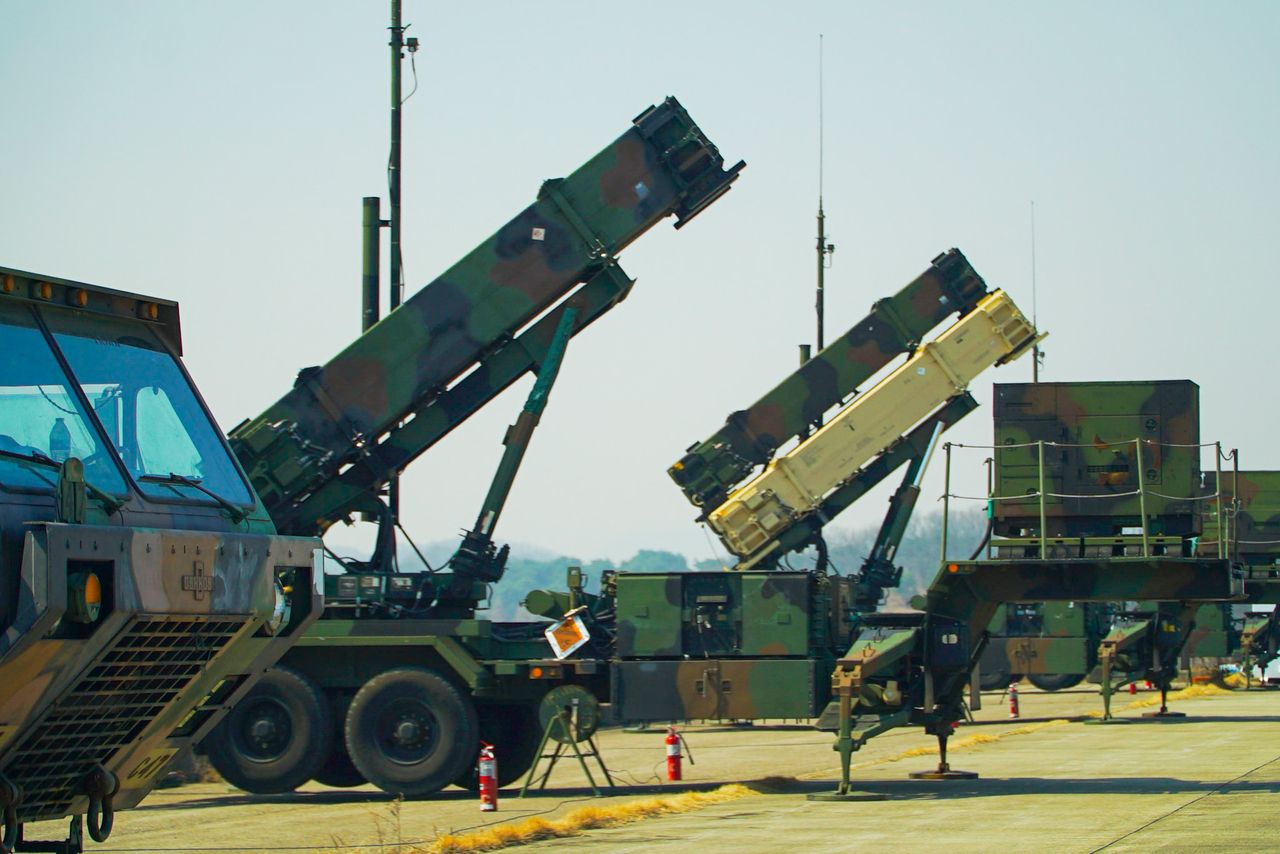
United States Forces Korea remains focused on the Korean Peninsula, a US Department of Defense official said Tuesday, amid growing speculation that Washington could draw on its overseas assets for potential contingencies in the Middle East involving Iran.
“United States Forces Korea remains focused on maintaining a strong, ready and combat-credible force posture on the Korean Peninsula,” a Department of Defense official said on background in response to an email inquiry from The Korea Herald.
The inquiry asked whether any USFK assets had been redeployed to the Middle East, to which the Department of Defense responded on background through an official.
“The United States remains firmly committed to the defense of the Republic of Korea,” the official added, using South Korea’s formal name.
The official declined, however, to comment on whether any USFK assets had been repositioned to the Middle East.
“For operational security reasons, the Department does not comment on the movement, relocation or potential repositioning of specific military capabilities or assets,” the official said.
The redeployment of USFK assets falls under the United States’ strategic theater-level authority, with the US Department of Defense holding decision-making power. USFK likewise said that decisions regarding redeployment fall under the Department of Defense.
The statement came amid speculations in Seoul that Washington could again draw on USFK assets for contingencies in the Middle East.
In March 2025, some Patriot missile batteries operated by USFK were deployed to the Middle East. The unit, reportedly battalion-sized with around 500 personnel, returned to the Korean Peninsula in late October to early November.
The redeployment at the time was widely viewed as part of broader US force adjustments preceding heightened military activity in the region, including US strikes on Iranian nuclear facilities in June under Operation Midnight Hammer.
The issue has resurfaced alongside renewed debate over Washington’s concept of “strategic flexibility” — under which US forces stationed in South Korea may be utilized for operations beyond the Korean Peninsula — a notion that has drawn attention under the second term of US President Donald Trump.
Recent developments also drew notice after several USFK F-16 fighter jets conducted a training flight over international waters in the Yellow Sea last month.
The aircraft, which departed from Osan Air Base in Pyeongtaek, Gyeonggi Province, reportedly operated near overlapping air defense identification zones of South Korea and China, prompting China to dispatch its own fighter jets. No confrontation occurred.
At the time, military sources said USFK notified South Korean authorities in advance of the drill, but did not elaborate publicly on operational details.
Separately, Park Yong-han, an associate research fellow at the Korea Institute for Defense Analyses, downplayed the likelihood of a significant redeployment this time.
“In the past, there were rotational deployments. When air defense assets were temporarily relocated, other capabilities such as additional fighter aircraft were brought in to maintain overall combat readiness,” Park said.
“Given that the current situation is unlikely to escalate into a prolonged conflict, a large-scale or long-term redeployment appears improbable.”
Park added that even if some level of force adjustment were to occur, it would likely be carried out in close consultation with South Korea in advance, rather than through a post facto notification.
flylikekite@heraldcorp.com