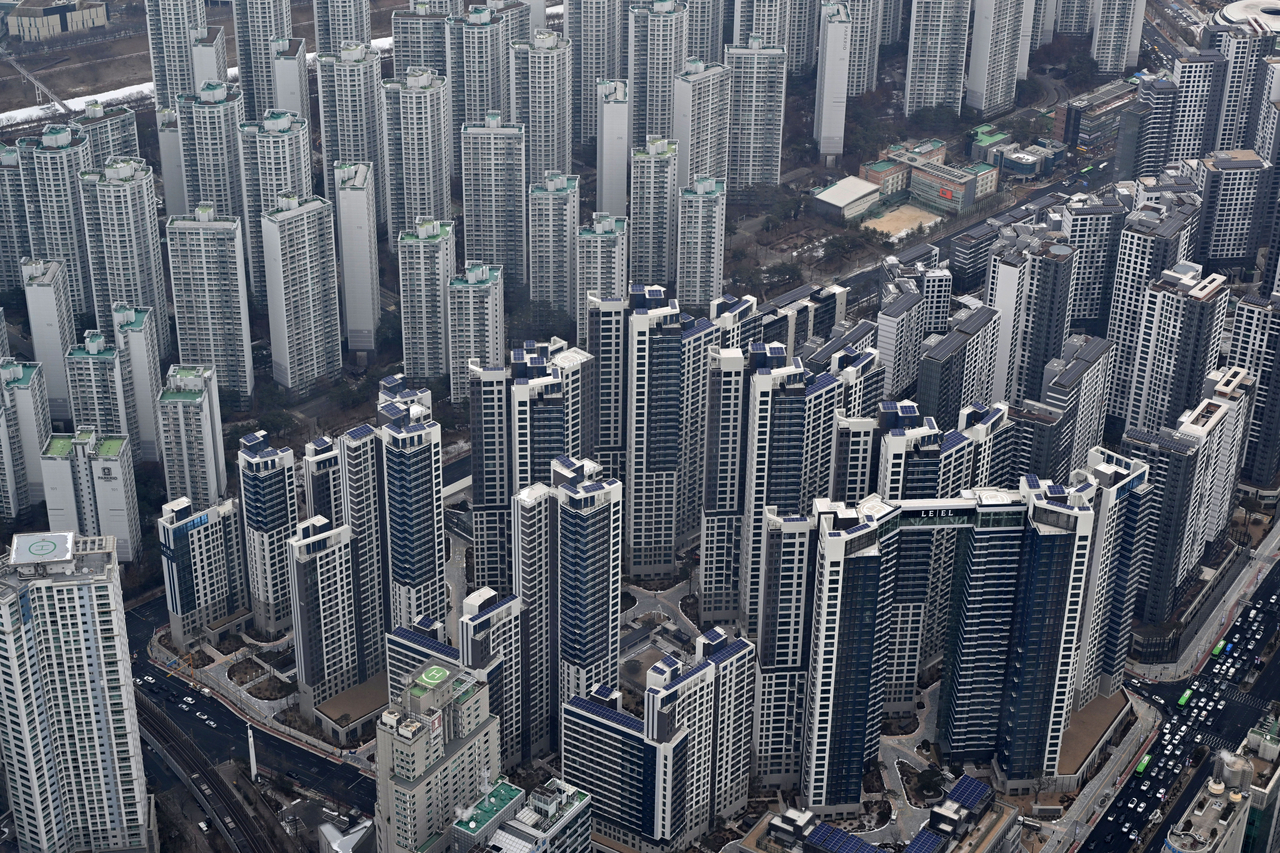
Home purchases by foreign nationals in Seoul fell by more than half after the government began requiring foreign buyers to live in newly purchased homes for at least two years, data showed Thursday.
According to the South Korean government, the number of home transactions by foreign nationals in Seoul dropped 51 percent on-year to 243 during the September–December period of 2025, after the rule was introduced in August.
The new measure applies to all home transactions in Seoul and most parts of Incheon and Gyeonggi Province, following criticism that foreign buyers were worsening market instability by purchasing high-priced homes for investment rather than for residence.
Under the system, buyers must obtain approval from authorities before completing a home purchase. Officials review whether applicants genuinely intend to reside in the property and require them to comply with a two-year occupancy obligation.
Failure to comply can result in penalty surcharges and revocation of transaction approval.
Similar policy impacts were also seen outside Seoul. Home transactions by foreign nationals fell 30 percent in Gyeonggi Province and 33 percent in Incheon, while foreign home purchases across the greater Seoul area declined from 2,279 to 1,481.
Seoul’s most expensive districts — Gangnam, Seocho, Songpa and Yongsan — recorded a 65 percent on-year decrease in foreign transactions even though they had already been subject to earlier transaction restrictions. Tougher regulations are expected to continue.
By nationality, purchases by Chinese nationals declined 33 percent to 1,385 cases within the regulated zones, while transactions by US nationals fell 45 percent to 208 cases.
The government also said transactions involving homes priced above 1.2 billion won ($833,000) dropped 53 percent, compared with a 33 percent decrease for homes priced below that level, suggesting a sharper contraction in high-end purchases.
“The decline in foreign housing transactions signals that demand driving market overheating is easing,” Vice Land Minister Kim Yi-tak said. “We will work closely with local governments to ensure compliance with residency obligations and establish a transaction order centered on genuine housing demand.”
forestjs@heraldcorp.com