Mayor Lee says Yongin’s future depends on pairing the SK hynix–Samsung megaprojects with stronger mobility, housing and settlement plans
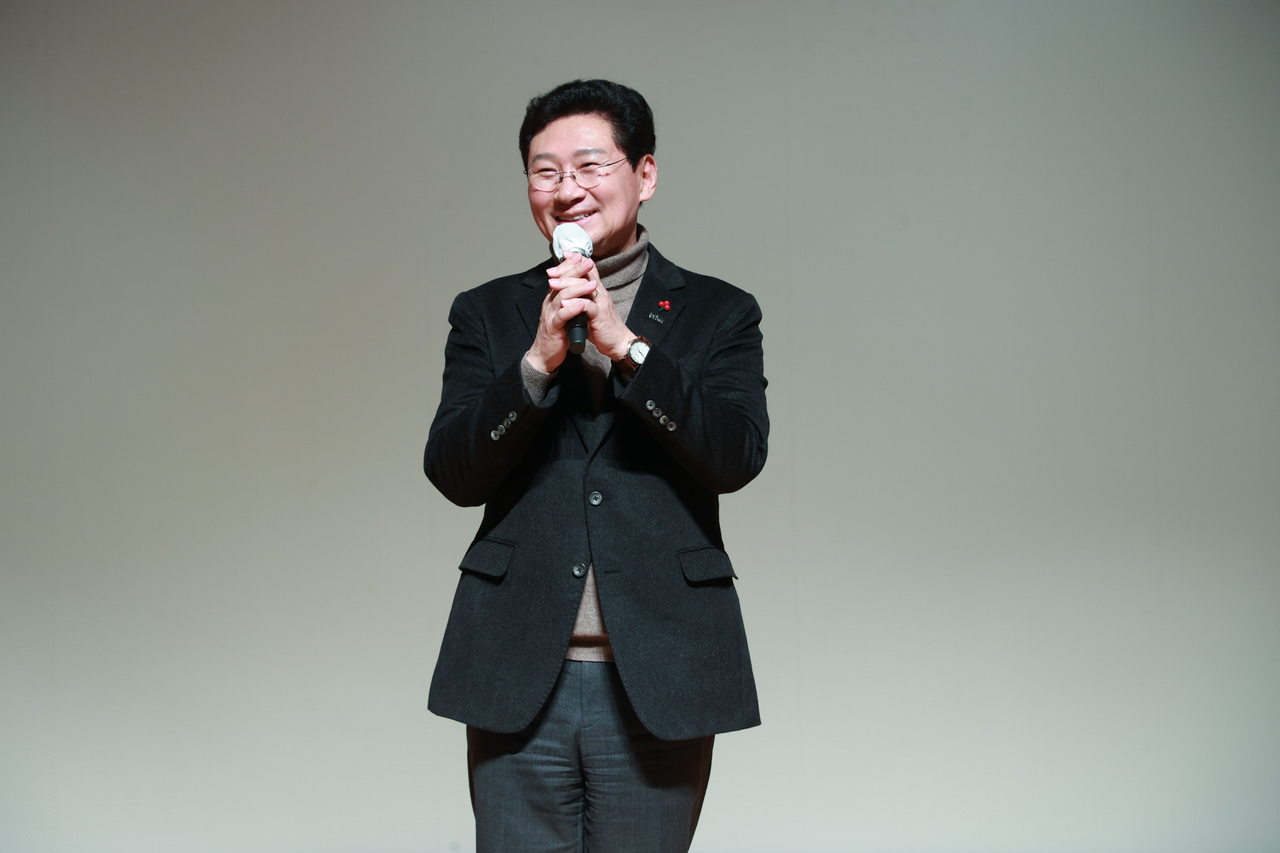
For Yongin Mayor Lee Sang-il, the city’s defining challenge in 2026 is not delivering Korea’s largest-ever semiconductor megaprojects, but creating an urban environment capable of attracting the engineers, researchers and families they need.
In an interview with The Korea Herald, Lee said the city would strengthen its focus on housing, transport, amenities and cultural infrastructure — factors he believes will decide whether global tech talent chooses Yongin over competing destinations.
“Large-scale projects now underway will move forward without disruption next year, including the accelerated development of the Yongin semiconductor mega cluster, one of Korea’s most important industrial initiatives,” Lee said. “At the same time, policies that directly affect residents’ quality of life will be expanded in a balanced way to strengthen Yongin’s overall competitiveness.”
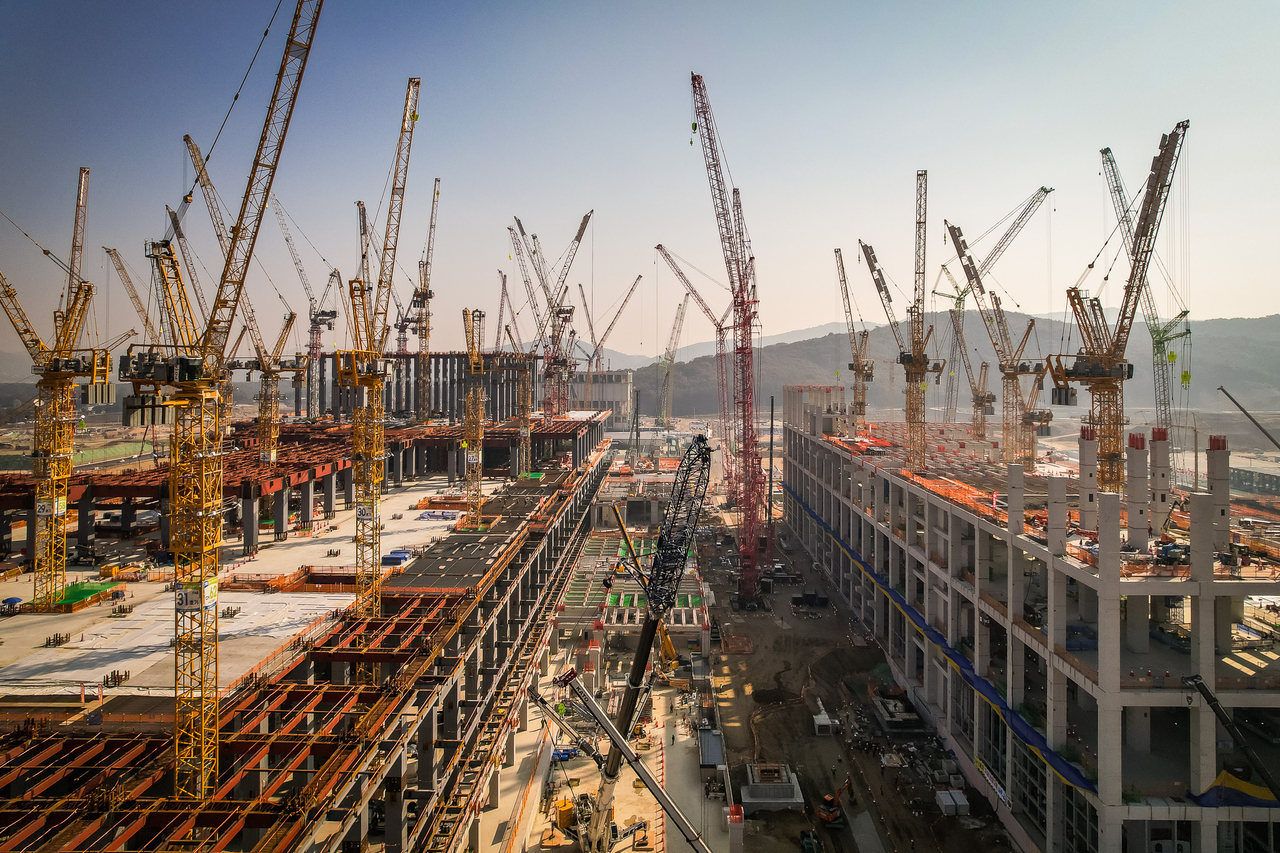
A city transformed by the chip boom
Located 30 kilometers south of Seoul, Yongin has quickly become a centerpiece of Korea’s semiconductor strategy, propelled by a series of investment decisions by SK hynix and Samsung Electronics that together amount to an unprecedented one quadrillion won ($681 billion). No other Korean city hosts parallel megaprojects by both firms — two of the world’s top 3 chipmakers.
SK hynix is building a 600 trillion won semiconductor cluster in the city’s southern districts, while Samsung Electronics is constructing a 360 trillion won advanced system semiconductor complex in the southwest. Samsung is also investing 20 trillion won to reinforce research and development at its existing Giheung campus in western Yongin.
City officials say the scale of the projects was made possible through sustained negotiations with the central government to secure regulatory flexibility. All three megaprojects have been designated national strategic industry zones, after competing against other municipalities. This granted them faster permit issuing timelines and more flexible land-use regulations.
After the government approved an increase in the maximum floor area ratio from 350 percent to 490 percent — meaning taller buildings are allowed — SK hynix revised its investment upward by 478 trillion won. Samsung also expanded its planned spending by 60 trillion won, with more expansion under internal review.

Speed as strategy
Lee said Yongin has pursued an aggressive timeline on regulatory approvals, compressing what is typically a 4 1/2-year process into just 21 months.
“The government recognized that speed is a matter of survival in the semiconductor industry,” he said. “Land compensation is now proceeding smoothly.”
The Korea Land and Housing Corp. began compensation procedures on Dec. 22, with about 20 percent of payments completed by early January. Full site development is expected to continue through 2031.
Work on the SK hynix cluster is ahead of the Samsung site, with equipment installation for the first of six phases scheduled for 2027. Infrastructure for water and electricity supply is on track for completion in the second half of 2026.
Despite requests from other regions to host the complex, Lee said the speed of administrative work has effectively made the Yongin projects irreversible.
“Any attempt to relocate or scale back these investments would cost Korea at least five years at a time when global chipmakers are expanding rapidly,” he said.
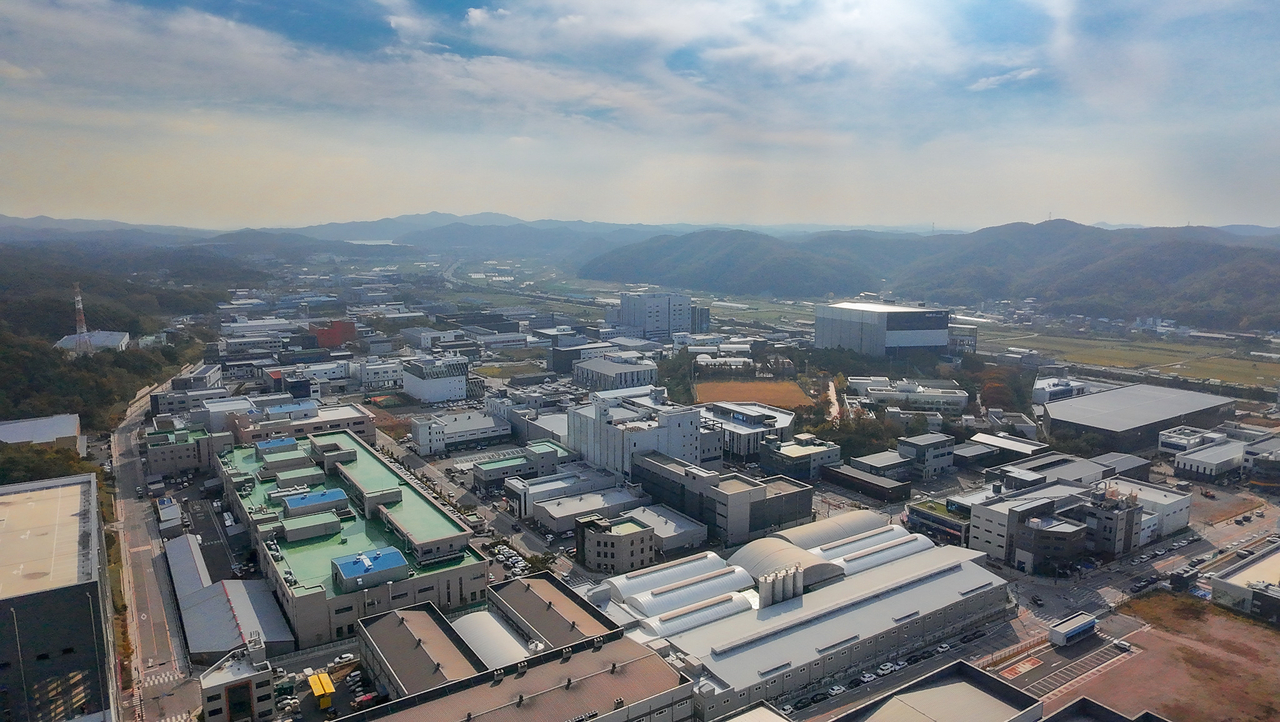
A global supply chain magnet
For many in the industry, the most transformative shift is the influx of global supply-chain companies setting up shop around the SK hynix and Samsung sites. According to the city, 92 suppliers of chipmaking materials, parts and equipment have moved to or plan to move to Yongin, injecting 3.4 trillion won in combined investment.
The city will host R&D and business centers for global equipment giants Tokyo Electron, ASML and Lam Research, three of the world’s top five semiconductor equipment firms. Lam Research has already completed its Korean headquarters, technology center and training facility, forming an integrated campus.
Domestic equipment manufacturers are moving in as well.
To support them, Yongin is planning a new research-and-development complex in the city’s northwest, less than 30 minutes from southern Seoul.
“Once these clusters are completed, Yongin will assume a central role in Korea’s semiconductor belt,” Lee said.
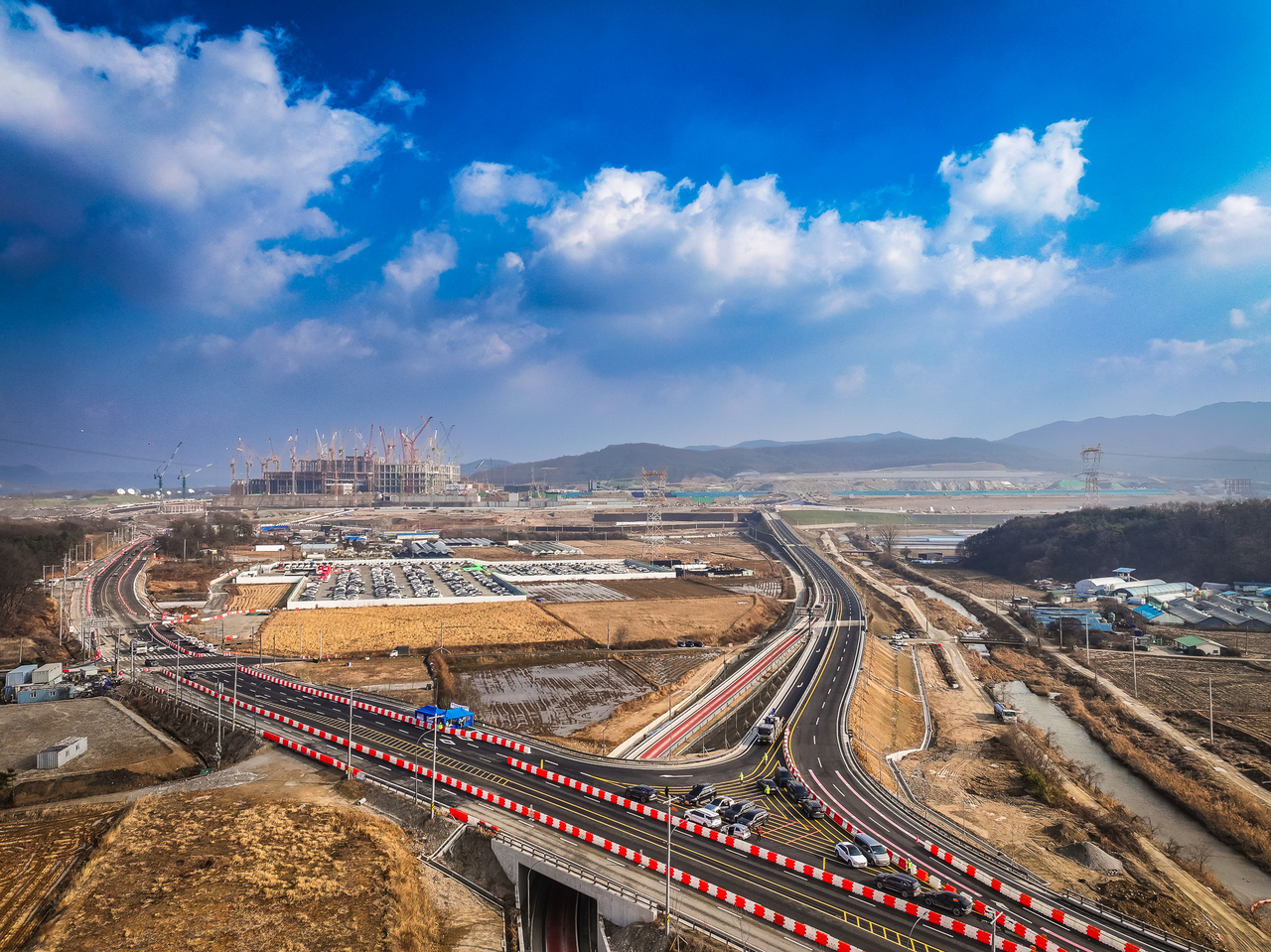
Housing, infrastructure and mobility for a growing population
But to sustain the semiconductor boom, Lee said the city must create a living environment worthy of the talent it hopes to attract. Yongin, already home to 1.1 million people, is preparing for a surge in population and daily traffic that will accompany the construction and operation of the plants.
The city is pursuing an ambitious expansion of its transportation network, including the construction or widening of 14 major urban roads and eight highway projects.
Two long-delayed inner-city light rail projects, widely demanded by residents, were recently added to Gyeonggi Province’s urban rail plan.
“A strong infrastructure base is essential to the success of a national industrial complex,” Lee said. “Yongin is providing full support to ensure that essential infrastructure — railways, roads, power and water — is completed without disruption.”
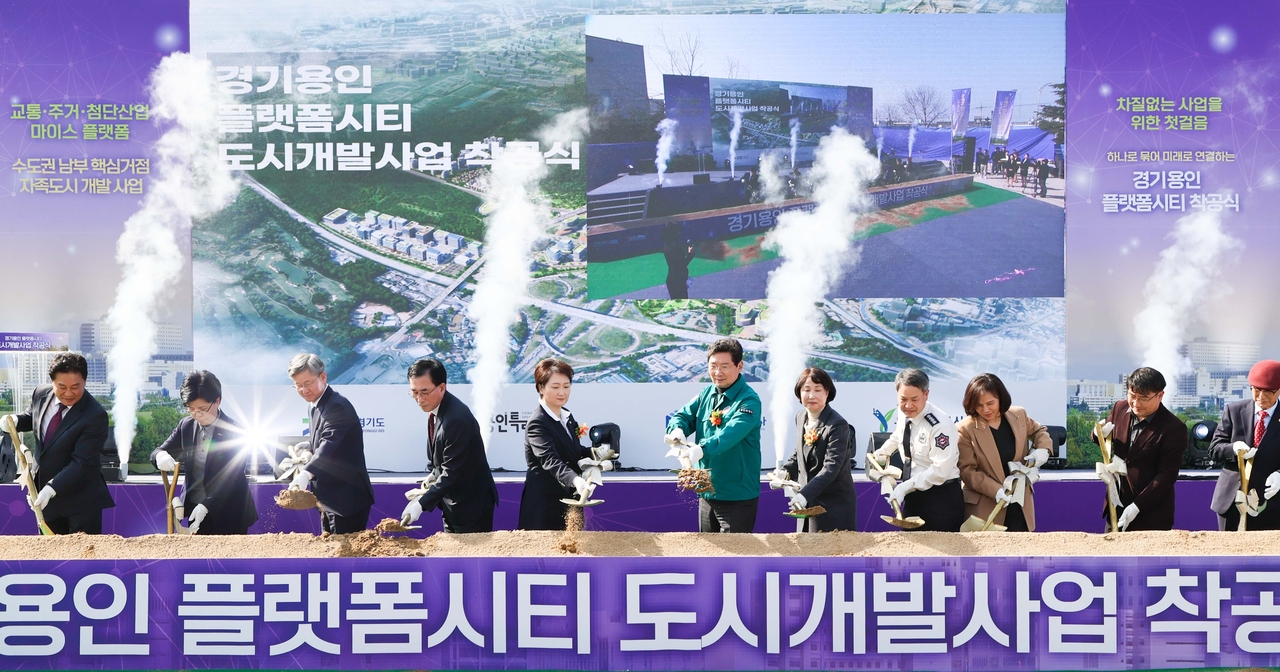
The city’s signature redevelopment project, Platform City, is also moving ahead. The 8.2 trillion won complex around Guseong Station — served by both the Bundang Line and GTX-A express trains — began full-scale development in March 2025.
The project will integrate residential, research, cultural and commercial districts intended to attract semiconductor professionals who need proximity to both Seoul and Yongin’s industrial sites.

A livable city
The city is developing landmark parks in all three districts and expanding sports and cultural amenities. The number of public swimming pools will grow from seven to 15, and at least three large indoor sports facilities are under development.
Cultural infrastructure is being upgraded as well. Poeun Art Hall now operates as a high-end performance venue capable of hosting concerts and musicals, and a second art hall is planned near Samsung’s new semiconductor complex.
These improvements helped Yongin rank second among 226 basic local governments nationwide in the 2025 Comprehensive Competitiveness Assessment conducted by the Korea Institute for Public Autonomy. The evaluation measures administrative capacity, living environment, transportation and settlement conditions.
Securing Korea’s semiconductor future
For Lee, the stakes extend well beyond Yongin.
“Korea cannot afford delays,” he said. “At a moment when artificial intelligence is driving global demand for chips, and countries are offering subsidies to expand production, losing momentum would create a risk of being overtaken by latecomers.”
The mayor said Yongin’s job is clear: Keep the megaprojects on track, remove administrative bottlenecks and build a city capable of attracting the world’s most competitive semiconductor workforce.
“Our goal is to be a city where people who build the future of Korea choose to live and thrive,” he said.
fob140@heraldcorp.com
forestjs@heraldcorp.com