Korea Herald correspondent
BANGKOK — Though K-culture has woven itself into the everyday lives of many Thai consumers, Thai media experts say stronger local adaptation could unlock a new wave of more distinctive and entertaining content.
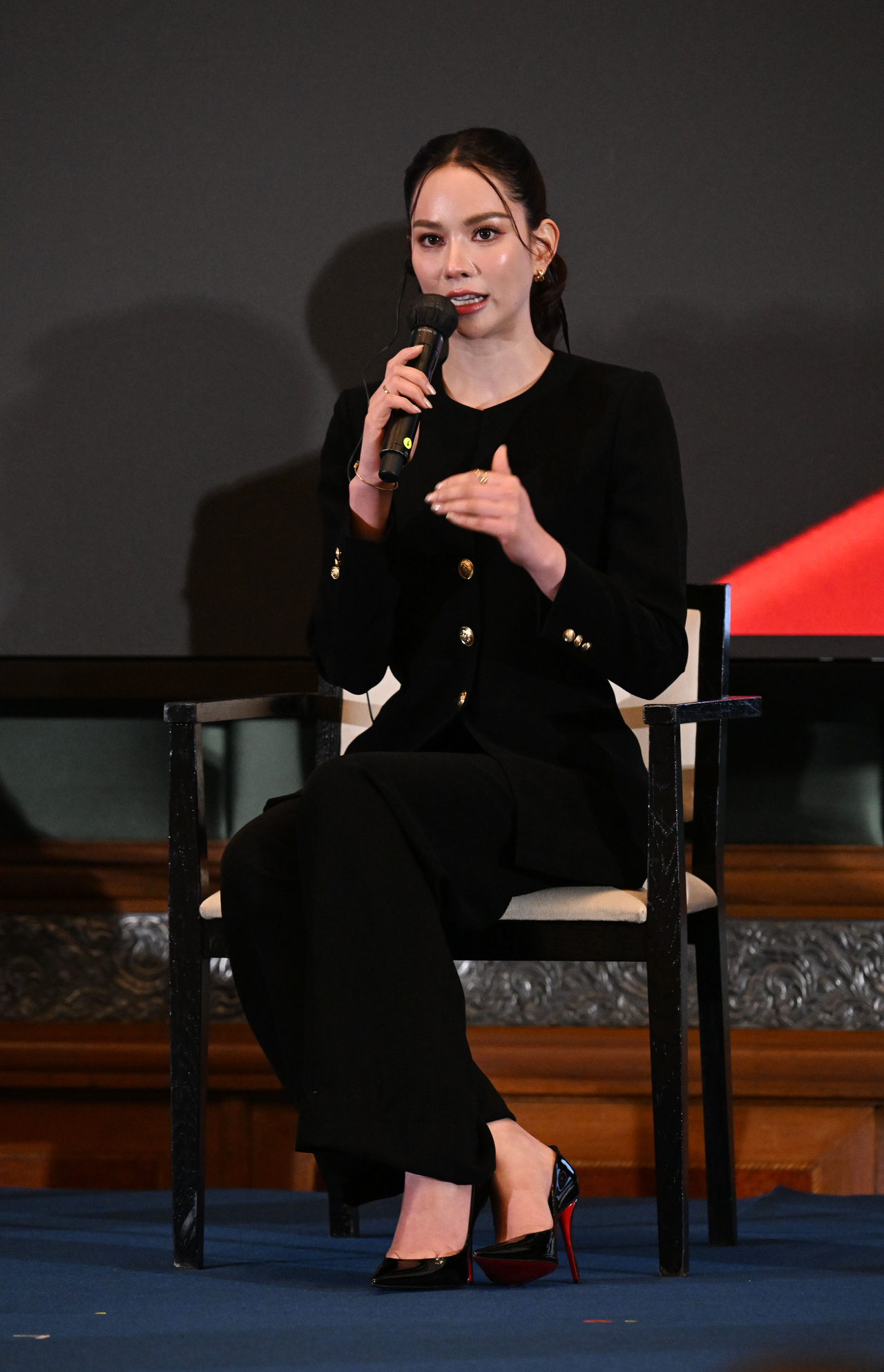
Thai beauty influencer Anna Sueangam-iam said K-beauty has introduced a more holistic understanding of skin care among local consumers, reshaping how Thai women perceive beauty overall.
“Now, Thai women do not view makeup as mere external decoration. They place great importance on skin health, particularly facial skin,” she said, adding that "K-beauty has long contributed to this shift.”
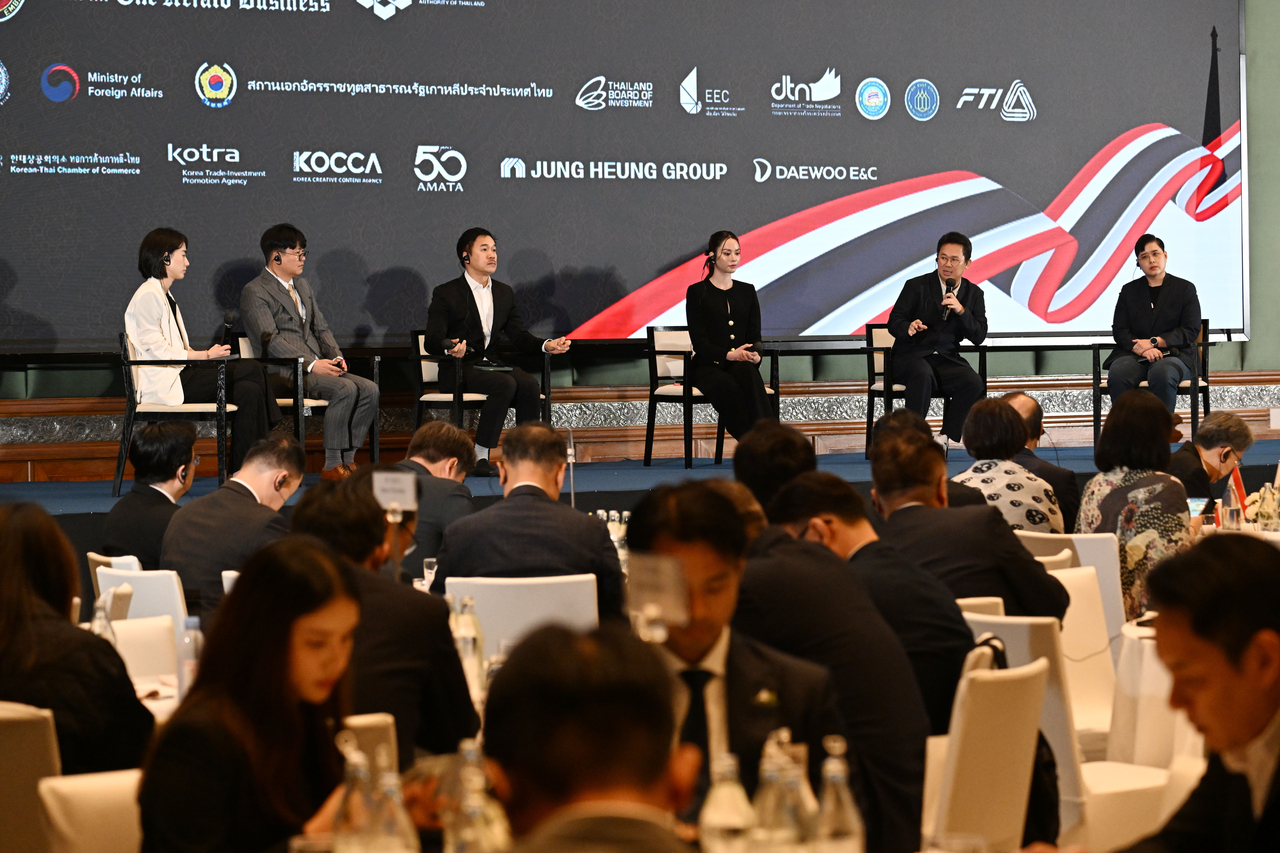
Her remarks were part of panel discussions at the Ignite Thailand-Korea Business Forum, co-hosted by the Thai Embassy in Seoul, the Industrial Estate Authority of Thailand and Herald Media Group — publisher of The Korea Herald and The Herald Business. The event was held Monday in Bangkok.
She added that the rising use of herbal ingredients such as mugwort in Korean cosmetics and skin care products has inspired Thai cosmetic companies to adopt more natural ingredients, moving away from chemical formulations.
Anna also said the fusion of Thai and Korean beauty trends could lead to more innovative and refined looks, creating new hybrid makeup styles.
“I’m planning to introduce on my Instagram a new makeup style through a blend of K-beauty and T-beauty — mixing the Korean makeup style with Thailand’s own unique aesthetics,” said Anna, who has more than 697,000 followers on Instagram.
Wirat Hengkongdee, director at Thai media company Workpoint Entertainment, called for stronger localization of K-content in the country's media market.
“While Korea has strength in its unique formats and production styles, Thailand holds an advantage in Southeast Asia due to its cultural resonance in the region,” he said.
He said Thailand could serve as a regional hub for co-productions with Korean creators, as Thai dramas and films — especially same-gender romance series — enjoy strong followings in neighboring countries such as Indonesia, Vietnam and Malaysia.
Thailand’s skilled workforce and comparatively lower labor costs could also help offset rising production expenses in Korea, he added.
As a leading example of Thailand’s reinterpretation of Korean content, he referenced "The Mask Singer Thailand."
In 2016, Workpoint Entertainment bought the license for the original Korean program "The Masked Singer" — first aired by Seoul-based broadcaster MBC — and reinterpreted it entirely with Thai performers. The Thai edition aired 12 seasons, wonseveral major entertainment awards in Thailand.
Aiyaphat Wankawisant, CEO of local digital marketing agency Go Online, said the key to K-culture’s influence lies in the way Korean content brings together food, music, fashion and everyday cultural cues within a single platform.
“K-content has developed a strong cultural ecosystem, where Korean food, music, fashion and everyday customs appear naturally together within a single TV show or series — and these elements spill over into daily life for Thai viewers.”
“In the morning, they encounter Korean food; later, they listen to K-pop — both of which appear constantly in K-content — and these elements flow into Thai people’s daily lives,” she added.
Aiyaphat also highlighted the growing role of influencers in promoting Korean culture in Thailand, describing them as a “bridge” between the two nations.
flylikekite@heraldcorp.com