Prime Minister orders fact-finding investigation, thanks officers for their dedication

When world leaders gathered in South Korea for last month's APEC summit, thousands of the police officers protecting them were sleeping on cardboard and eating cold rice.
Their union now says the government treated them “worse than the homeless.”
The National Police Union on Tuesday held a protest in front of the National Police Agency headquarters in Seoul, displaying photographs taken by officers deployed to the global diplomatic event that took place in Gyeongju, North Gyeongsang Province, between Oct. 31 and Nov. 1.
The images, verified by the union, showed officers resting in corridors and theaters, wrapped in thin blankets.
According to the union, around 19,000 officers were deployed each day to secure the event, which hosted leaders from 21 member economies, including US President Donald Trump and China’s President Xi Jinping. But despite nearly a year of logistical planning, the union says many officers were denied basic accommodation and "decent" meals.

An Yu-shin, head of the union’s operations support division, told The Korea Herald that officers “were treated worse than prisoners.”
“Some so-called rest areas had glass-walled bathrooms with no privacy, others were moldy or overcrowded. The meals were cold, poorly prepared and in some cases, officers got nothing at all.”

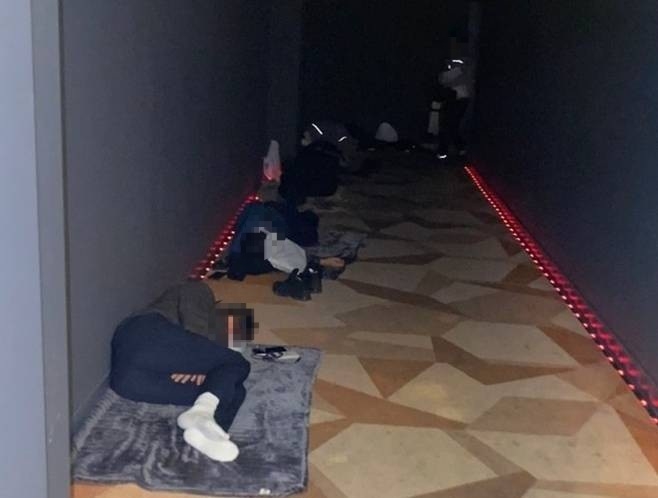
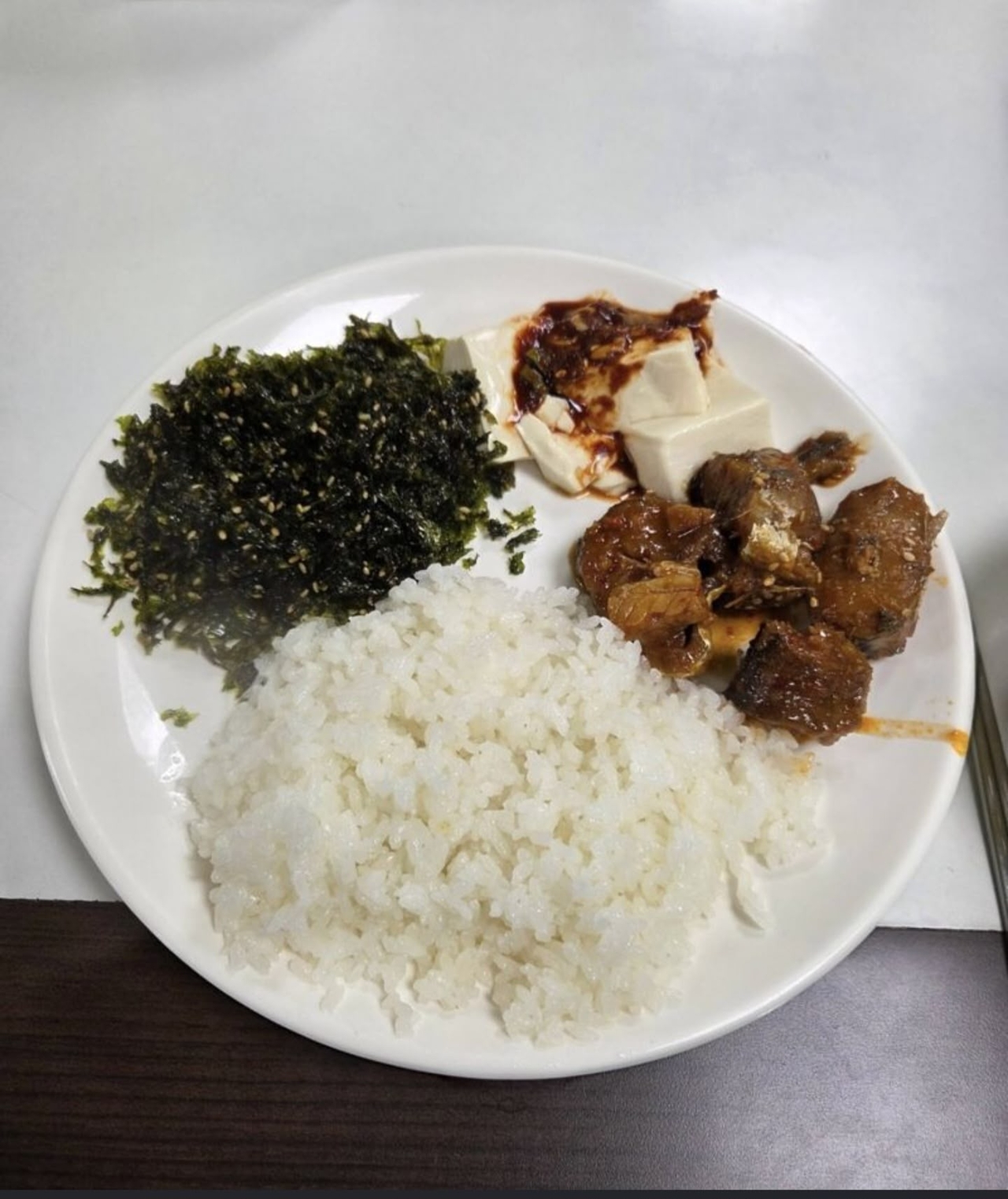
The union also claimed pay practices were deeply unfair. While officers worked long shifts away from home, travel and waiting times were not counted toward their official working hours.
“Even though we were on duty from early morning until late at night, only the narrowest portion of that time was recognized as paid work,” An said.
“This isn’t just about comfort; it’s about basic respect.”
Police agency admits 'limitations'
The National Police Agency, in a written press release issued the same day, admitted to shortcomings but attributed them to limited capacity in Gyeongju’s Bomun Tourist Complex, where most lodging was concentrated.
“We rented facilities wherever possible, but given the scale of deployment, not everyone could be accommodated indoors,” the agency said.
It also explained that its meal plan collapsed after the Gyeongju Gymnasium, originally designated as a central dining hall, was reassigned for summit use just days before the event.
“We regret that some officers experienced discomfort despite prior efforts,” the statement added, promising a review to prevent a recurrence.
Due to Gyeongju’s shortage of lodging, even invited dignitaries and delegates had to stay at hotels in nearby cities, while some slept on cruise ships. The host city, dubbed a “history museum without walls,” is the capital of an ancient Korean kingdom where new development is strictly restricted.
Later Tuesday, Prime Minister Kim Min-seok ordered the Interior Ministry and the NPA to conduct a fact-finding investigation.
In a statement from his office, he expressed deep "regret that some officers faced such conditions despite prior assurances of proper preparation. I express my appreciation to all officers who fulfilled their duties under difficult circumstances.”
mjh@heraldcorp.com