A high-stakes patent war between SK Nexilis, Korea’s top copper foil maker, and its smaller rival Solus Advanced Materials is escalating across Korea, the US and Europe, raising concerns the clash could further erode Korea’s standing in the global foil market.
Dispute goes global
In late August, Korea’s Intellectual Property Trial and Appeal Board invalidated four Solus patents after a petition from SK. Meanwhile, the Seoul Central District Court is reviewing a suit by Solus and its US unit Volta Energy Solutions, accusing SK of infringing eight patents tied to foil performance.
The legal fight extends abroad. SK filed a suit against Solus in a Texas court in 2023 for allegedly violating five US patents covering technologies that improve foil strength, adhesion and smoothness. In August, SK submitted an amended complaint in the ongoing legal dispute. Solus’ attempt to overturn the allegations was rejected by the US Patent and Trademark Office. Also in August, SK filed a new European case seeking injunctions in 17 countries, including Germany and France, to block Solus’ sales and production.
Foil market under strain
Copper foil, an ultra-thin sheet used in electric vehicle and energy storage batteries, has become a fiercely contested material as sluggish battery demand and more affordable Chinese products squeeze margins.
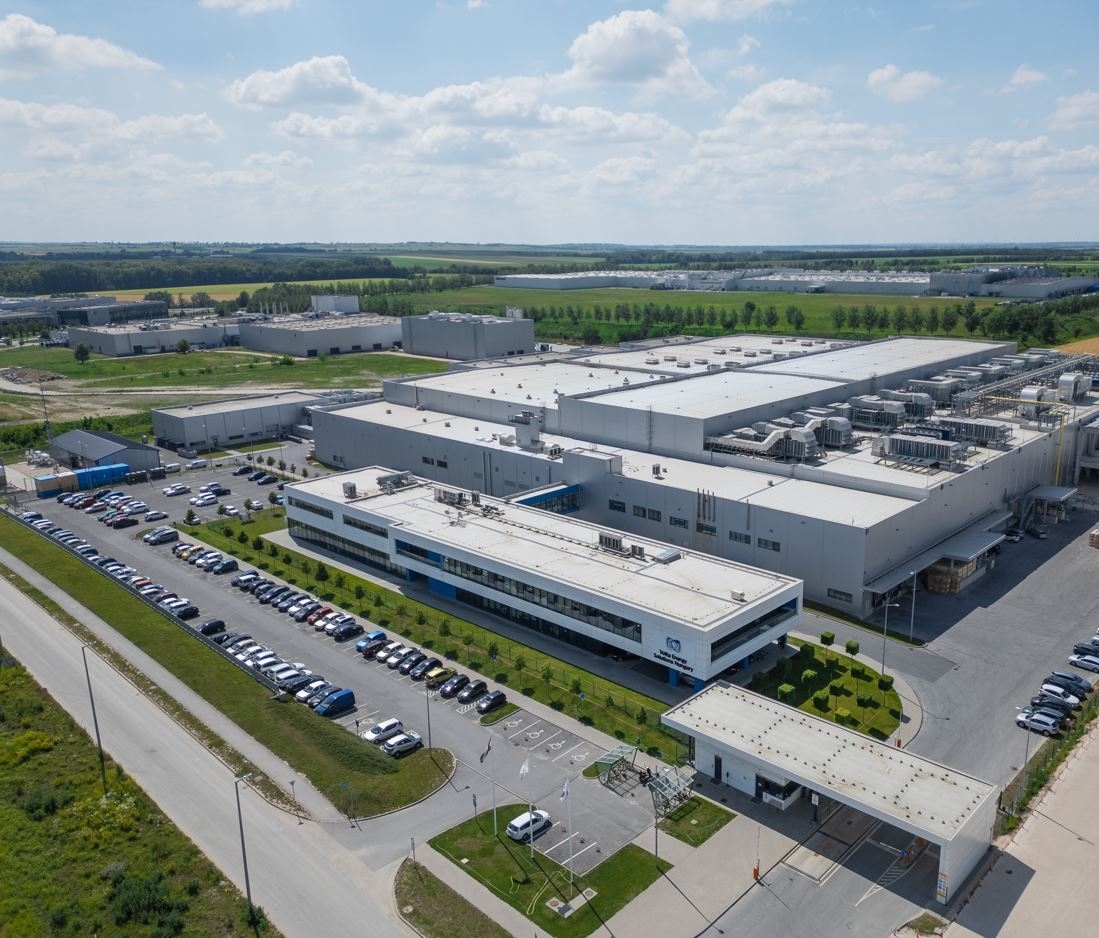
SK Nexilis, once controlling over 20 percent of the global market, saw its utilization rate plunge from 88 percent in 2022 to 34 percent in 2024 before recovering to 59 percent by mid-2025. Chinese suppliers, meanwhile, expanded to 80 percent of global capacity. Solus has fared better, running its Hungary plant at about 80 percent utilization and building new capacity in Canada, positioning it closer to key Western customers.
“With protectionism on the rise, SK lacks local plants in Europe or North America, while Solus already has a footprint there,” said an industry source.
Growing calls for compromise
Experts warn the drawn-out battle may damage both firms while benefiting foreign rivals.
“The technologies at issue are important in manufacturing, but the fight is less about next-generation breakthroughs than market dominance,” said Park Cheol-wan, professor at Seojeong University. “If both sides keep trying to invalidate each other’s patents, the result may simply be nullified (intellectual property).”
Most US patent disputes end in settlement to avoid prolonged uncertainty. But with neither side showing signs of backing down, industry watchers fear customers may shift orders to Chinese or Taiwanese suppliers.
“Korean firms should consider cross-licensing to focus on global competition, not domestic infighting,” said Park. “Prolonged disputes are viewed negatively by customers and the government, which wants to bolster the battery sector.”
forestjs@heraldcorp.com